White Butterfly: Species Identification and Spiritual Meaning
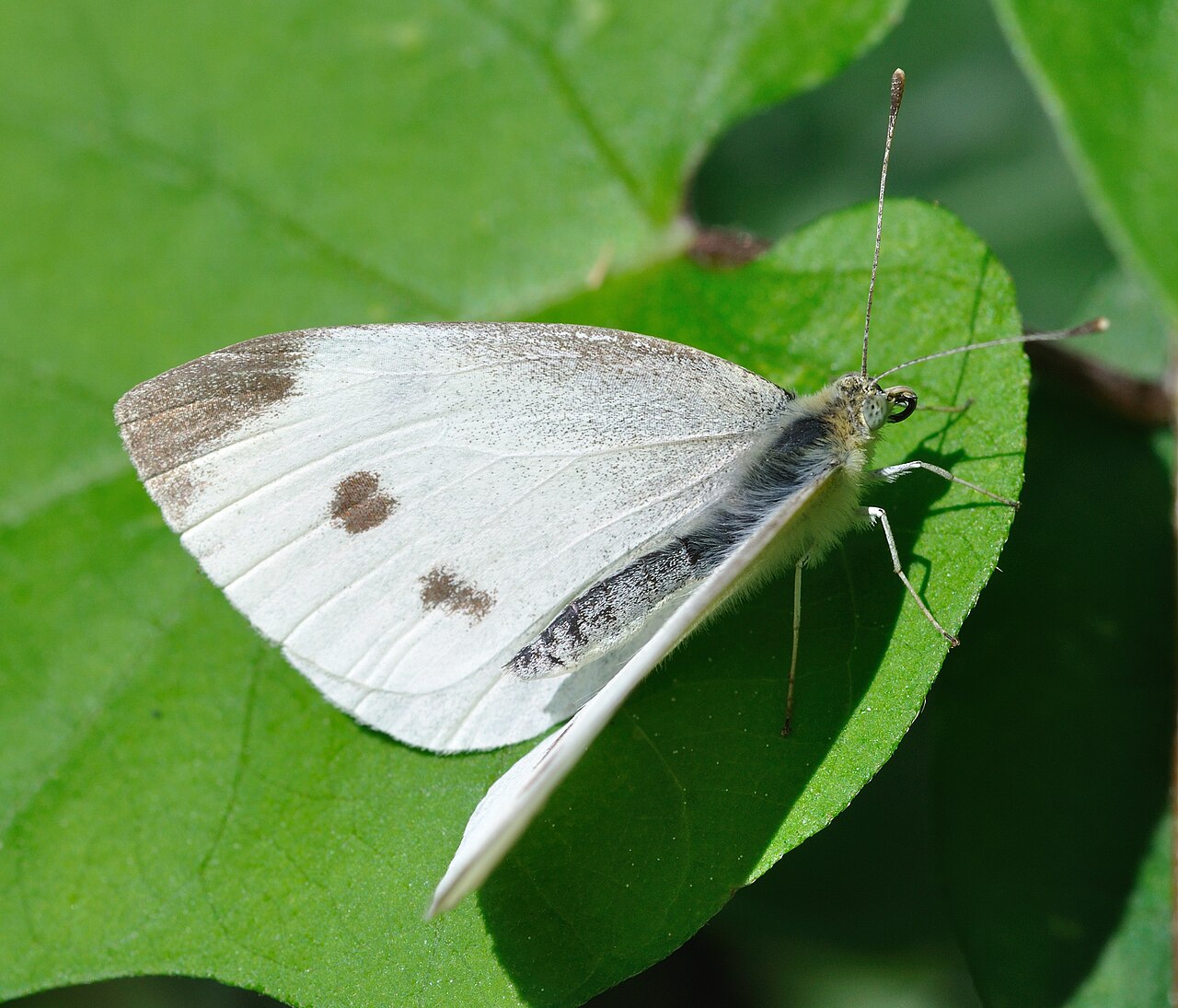
A white butterfly spotted in North America is most often the cabbage white, an introduced species now among the most common and widely distributed butterflies across the entire continent, recognized by its mostly clean white wings marked with just one or two small black dots, a notably simpler pattern than the more heavily marked checkered white or the considerably larger, rarer great southern white, making careful attention to specific marking details worthwhile for anyone hoping to correctly distinguish between these several commonly confused white-winged species.
Beyond straightforward species identification, white butterflies carry genuine symbolic significance across numerous cultures specifically, often associated with purity, spiritual visitation, and connection to departed loved ones, a symbolic tradition found independently across cultures from Ireland to Japan that adds a meaningful layer of cultural and personal significance to this genuinely common backyard sighting. This guide covers the most common white butterfly species found across North America, their specific distinguishing features, host plants and garden relationships, and the rich symbolic traditions associated with this particular color across various cultures.
| Species | Key Distinguishing Feature |
|---|---|
| Cabbage white | Clean white, just 1-2 small black dots |
| Checkered white | Full checkerboard pattern of dark markings |
| Great southern white | Larger, mostly pure white with minimal marking |
| Western white | Checkered pattern, western/mountain regions |
| Cloudless sulphur (pale form) | Occasionally appears whitish rather than yellow |
Cabbage White: The Most Common White Butterfly
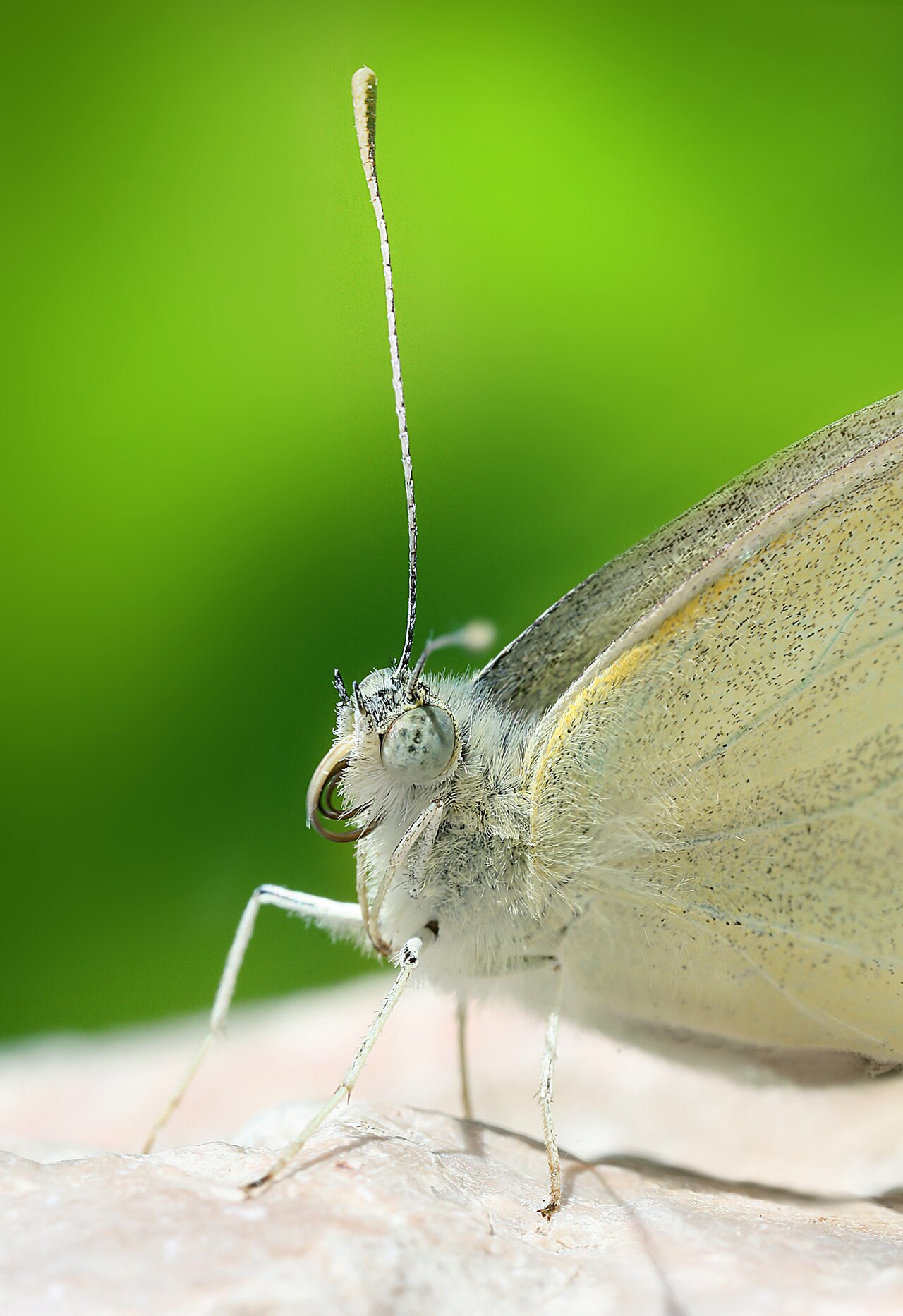
The cabbage white stands as by far the most commonly encountered white butterfly across nearly all of North America, an introduced species originally from Europe that has become thoroughly established and remarkably abundant, recognized by its mostly clean white wings marked with just one or two small black dots per wing, a notably minimal marking pattern compared to several other white species covered throughout this guide.
This species thrives specifically in disturbed habitat and agricultural settings, with caterpillars feeding on plants in the mustard and cabbage family, including cultivated cabbage, broccoli, and kale, making cabbage whites a genuinely familiar and sometimes unwelcome sight for vegetable gardeners specifically growing these particular brassica family crops, since caterpillar feeding can cause meaningful damage to these cultivated plants.
Cabbage whites fly readily across gardens, roadsides, and open fields throughout most of the growing season, with multiple generations produced annually across much of their range, making this genuinely one of the most reliably encountered butterflies for casual observers regardless of specific location within the continental United States, given the species’ remarkably successful establishment since its introduction.
Checkered White: A More Heavily Marked Cousin
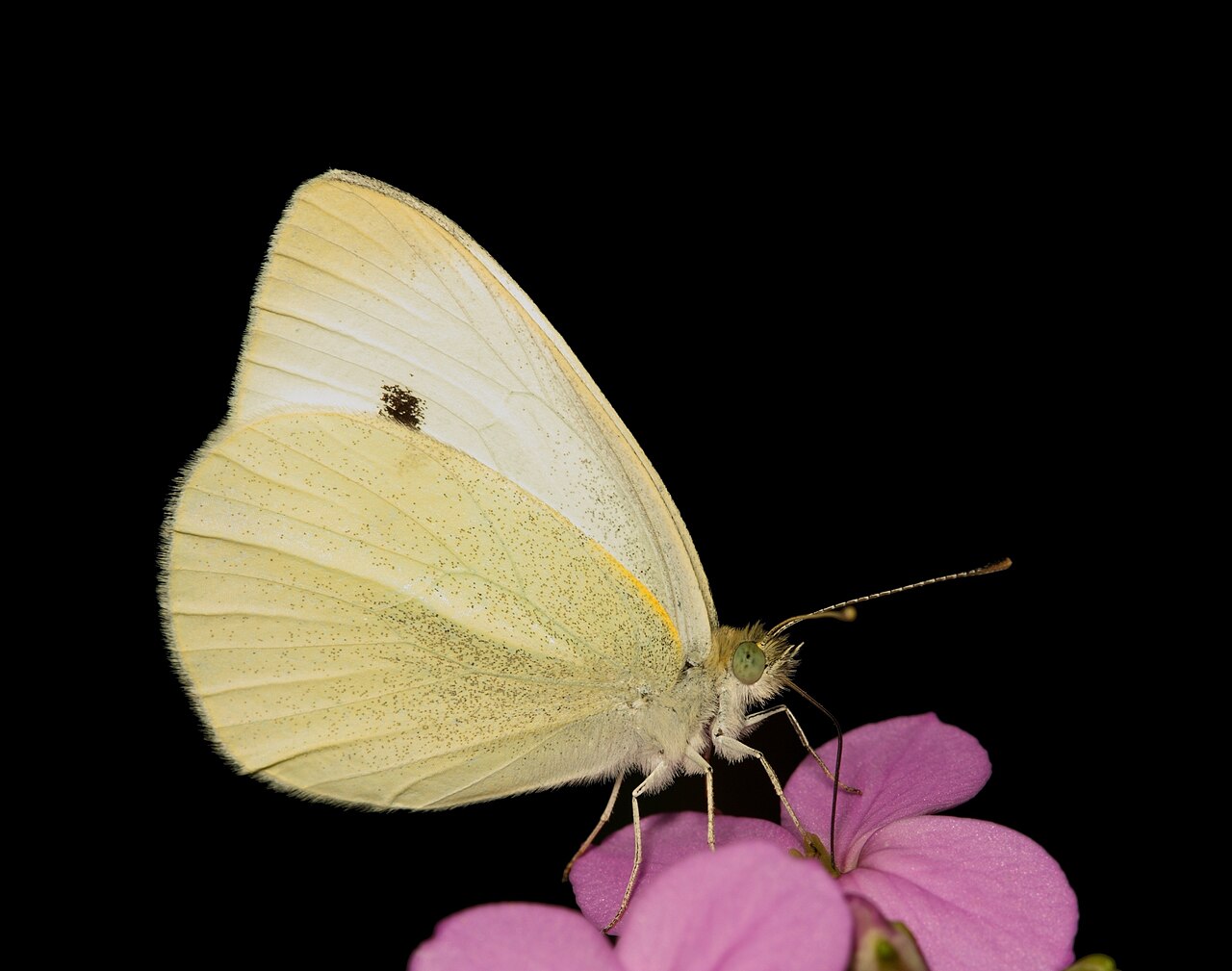
The checkered white presents a genuinely different pattern than the minimally marked cabbage white, displaying white wings scattered with charcoal to gray-black checkering across a considerably larger portion of the wing surface, particularly pronounced in females, creating a visually busier overall pattern quite distinct from the cabbage white’s clean, mostly unmarked appearance.
This species favors open, disturbed ground including fields, roadsides, and vacant lots, with caterpillars feeding on various mustard family plants similar to the cabbage white’s host plant preferences, though checkered whites tend toward more open natural habitat compared to the cabbage white’s particularly strong association with cultivated agricultural settings and garden vegetables specifically.
Distinguishing checkered whites from cabbage whites relies primarily on checking overall marking extent, since the checkered white’s considerably more extensive dark checkering pattern, especially in females, contrasts clearly against the cabbage white’s minimal one or two spot pattern, making this comparison genuinely straightforward once both species are examined side by side or with a clear reference image.
Great Southern White: Larger and Purer
The great southern white, found primarily across the southeastern United States and coastal areas, presents as a notably larger white butterfly compared to both the cabbage white and checkered white, displaying mostly pure white wings with minimal dark marking, sometimes just faint gray marks near the wing tips rather than the more pronounced spotting or checkering other white species characteristically show.
This species favors coastal and southern habitats specifically, with caterpillars feeding on various saltbush and related plants often found in coastal scrub and disturbed coastal habitat, giving the great southern white a considerably more geographically restricted range compared to the cabbage white’s remarkably widespread continental distribution covered earlier in this guide.
Size provides a genuinely useful distinguishing feature for this species specifically, since the great southern white runs noticeably larger than the more commonly encountered cabbage white, making unusually large, minimally marked white butterflies encountered specifically within this species’ southeastern and coastal range worth checking against this particular identification possibility rather than defaulting immediately to the more common cabbage white assumption.
Western White and Regional Variations
The western white replicates the checkered pattern seen in the checkered white but occurs specifically in mountain and northern regions of the western United States, presenting genuine identification overlap with its checkered white relative that generally requires attention to specific geographic range alongside pattern details for confident species-level distinction between these two closely related species.
Various other regional white butterfly species and subspecies exist across different parts of North America, each adapted to specific local host plants and habitat conditions, meaning readers in particular regions may encounter locally common white butterfly species beyond the four primary species covered throughout this guide, making regional field guides genuinely valuable supplements for anyone seeking complete local white butterfly identification beyond this broader continental overview.
This regional variation reinforces the broader identification principle running throughout this guide: checking marking extent, size, and specific geographic range together generally resolves white butterfly identification with genuine confidence, similar to the color and pattern-based approach covered in our yellow and black butterfly and purple butterfly guides, even accounting for the various regional species and subspecies that add complexity beyond the core cabbage white, checkered white, and great southern white comparison most commonly relevant across the country.
White Butterfly Symbolism Across Cultures
White butterflies carry particularly strong soul and spirit associations across numerous independent cultural traditions, with white’s broader color symbolism around purity, spirituality, and the sacred contributing to a widespread reading of white butterflies specifically as representing visiting souls or spirits, an association found across genuinely diverse cultures from Irish folklore to Japanese tradition, suggesting something approaching a near-universal human response to this particular color and creature combination.
In Irish folk tradition specifically, white butterflies have historically been associated with the souls of the departed, sometimes read as a deceased loved one checking in or offering comfort to those left behind, an interpretation echoing the broader butterfly transformation symbolism explored throughout our butterfly tattoo meaning guide and the color-based readings covered in our blue butterfly guide, but carrying particular weight specifically through the white coloring’s added spiritual and soul-connected associations.
Japanese tradition similarly connects butterflies broadly to souls of both the living and dead, with white specifically sometimes carrying additional purity and spiritual clarity associations layered onto this broader soul-connection theme, meaning a white butterfly encounter within Japanese cultural context can carry genuinely rich, multilayered symbolic weight beyond the general soul-visitation reading found across several other independent cultural traditions.
White Butterflies as Memorial Symbols
Given the strong soul and spirit associations covered throughout the previous section, white butterflies frequently serve as meaningful memorial symbols, with many people reporting significant white butterfly encounters following the loss of a loved one, subsequently finding particular comfort or significance in this specific color choice given its widespread cultural association with visiting spirits and departed souls.
This memorial application connects meaningfully to similar patterns found across other white-colored animal encounters and symbolism, suggesting a broader pattern where white coloring specifically, across multiple different animal species, tends to accumulate similar soul and spirit-connected symbolic associations regardless of which particular creature happens to display this particular coloring.
Entomological research on butterfly wing coloration, including studies referenced through institutions like the Cornell Lab of Ornithology’s broader work on lepidoptera generally, confirms that white wing coloring in many species results from structural properties of the wing scales themselves rather than pigment alone, a genuine biological detail that adds an interesting scientific layer beneath the rich cultural symbolism explored throughout this guide without diminishing that symbolism’s genuine personal significance for those who find meaning in these encounters.
Whether encountering a white butterfly during a period of active grief or simply appreciating this common backyard sighting on its own biological merits, understanding the genuine cultural weight this particular color carries across numerous independent traditions adds a meaningful optional layer of significance for anyone specifically drawn to interpreting such encounters symbolically rather than purely as routine wildlife observation.
Distinguishing White Butterflies From White Moths
White moths occasionally cause identification confusion with the white butterfly species covered throughout this guide, particularly certain white moth species active during daylight hours, though checking antenna shape typically resolves this confusion definitively, since butterflies display club-tipped antennae while moths show feathery or thread-like antennae lacking this distinctive clubbed end.
Behavior also generally helps distinguish these two insect groups, since the white butterfly species covered throughout this guide are exclusively daytime fliers visiting flowers in typical butterfly fashion, while genuinely nocturnal white moth species are more commonly encountered around lights at night rather than during typical daytime garden observation, though some moth species do fly during the day and require the antenna check for definitive confirmation.
For readers specifically encountering a white-winged flying insect and uncertain whether they are observing a butterfly or moth species, our white moth guide covers the specific moth possibilities in complete comparative detail, providing the fuller identification picture needed to confidently distinguish between these related but biologically distinct insect groups sharing this particular white coloring.
Related reading: White Peacock Butterfly.
Related reading: Cabbage White Butterfly.
Frequently Asked Questions
What is the most common white butterfly?
The cabbage white, an introduced species now extremely common across nearly all of North America, recognized by its mostly clean white wings marked with just one or two small black dots.
Do white butterflies damage gardens?
Cabbage white and checkered white caterpillars feed on mustard family plants including cabbage, broccoli, and kale, meaning they can cause meaningful damage to these specific cultivated vegetable crops.
What does a white butterfly mean spiritually?
Across numerous cultures, white butterflies are widely associated with visiting souls or spirits, particularly of departed loved ones, an association found independently in traditions from Ireland to Japan.
How can I tell a cabbage white from a checkered white?
Check marking extent: cabbage whites show just one or two small black dots on mostly clean white wings, while checkered whites display considerably more extensive dark checkering across the wing surface.
What is the largest white butterfly in North America?
The great southern white, found primarily in the southeastern United States and coastal areas, notably larger than the common cabbage white with minimal dark marking on mostly pure white wings.
Is a white butterfly a sign of good luck?
In many traditions, yes, particularly connected to positive spiritual visitation from departed loved ones, though interpretations vary by specific cultural tradition and personal belief.
How do I tell a white butterfly from a white moth?
Check the antennae: butterflies have club-tipped antennae, while moths show feathery or thread-like antennae without this distinctive clubbed end, the most reliable distinguishing feature between these related insect groups.