Bug That Looks Like Monarch Butterfly? 8 Look-Alikes to ID
A bug that looks like a monarch butterfly is most often a viceroy. Orange and black is one of the most widely shared warning color schemes among North American insects, so the monarch (Danaus plexippus) has a whole lineup of doubles in gardens, meadows and milkweed patches, including true bugs and a beetle.
A viceroy shows a black line across the hindwing, a queen is mahogany with white forewing spots, a soldier is brownish orange with thin veins, a painted lady has no vein network, and a gulf fritillary flashes silver underneath. The milkweed bugs and the red milkweed beetle stay under 1 inch and crawl on milkweed.
How to Recognize a True Monarch First
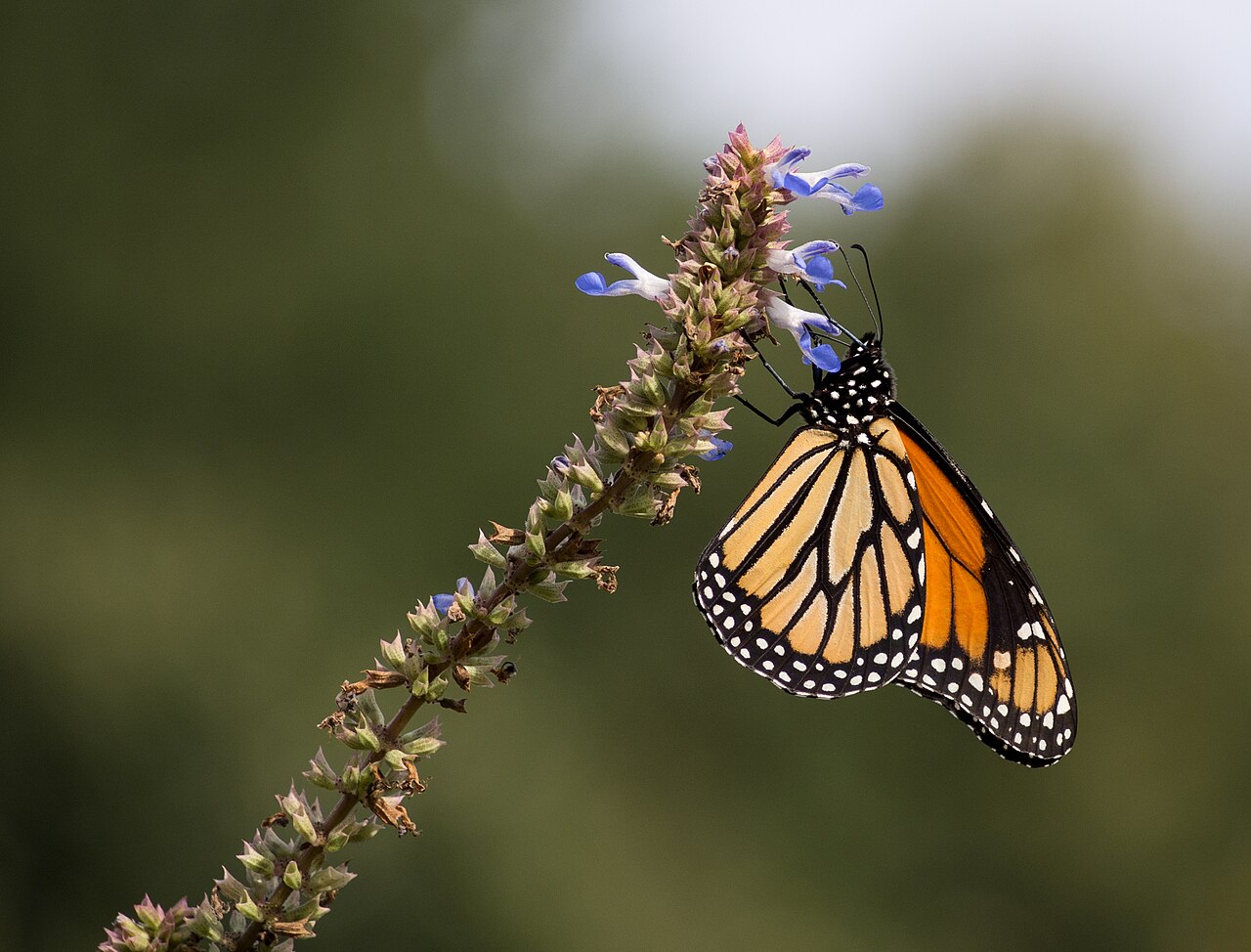
A true monarch has bright orange wings, thick black veins and a black border carrying two rows of white dots. Nothing crosses the hindwing veins.
Males carry a small black scent spot on one vein of each hindwing. Females lack the spot and show visibly thicker black veins.
A monarch butterfly flaps a few times, then glides with its wings held in a shallow V.
Viceroy vs Monarch, Check the Hindwing Line
The viceroy (Limenitis archippus) carries a curved black line across each hindwing, and the monarch never does. It shows on the upperside and the underside, so a viceroy resting with closed wings still shows it.
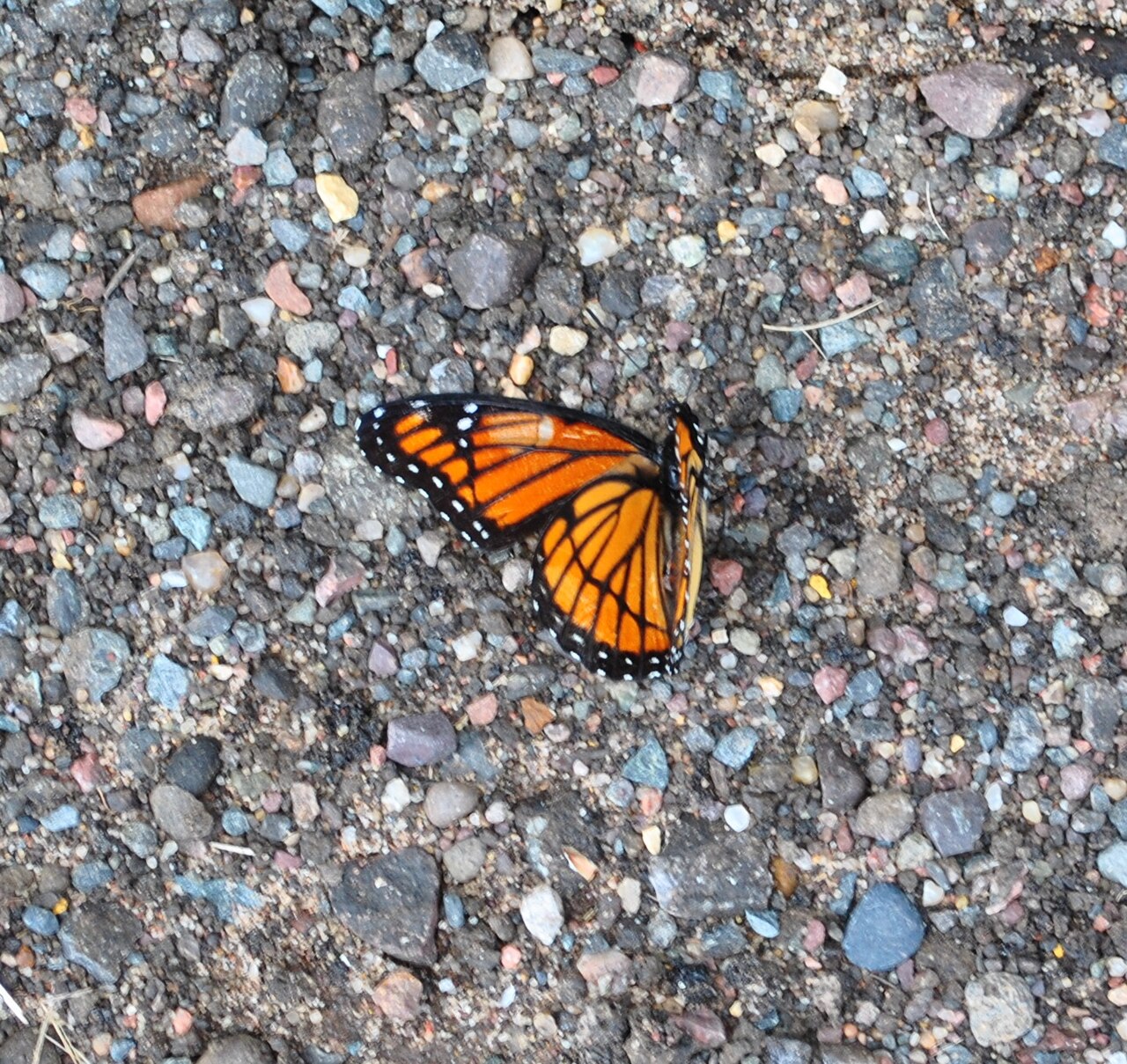
The viceroy is noticeably smaller, and its black border holds a single row of white dots instead of the monarch’s two. In flight it flaps quickly and glides on flat wings rather than in a raised V.
In Florida and the Southwest, viceroys run darker and more mahogany, matching the local queens rather than bright orange monarchs, but the hindwing line is still there.
One Mark Each for Queen, Soldier, Painted Lady and Gulf Fritillary
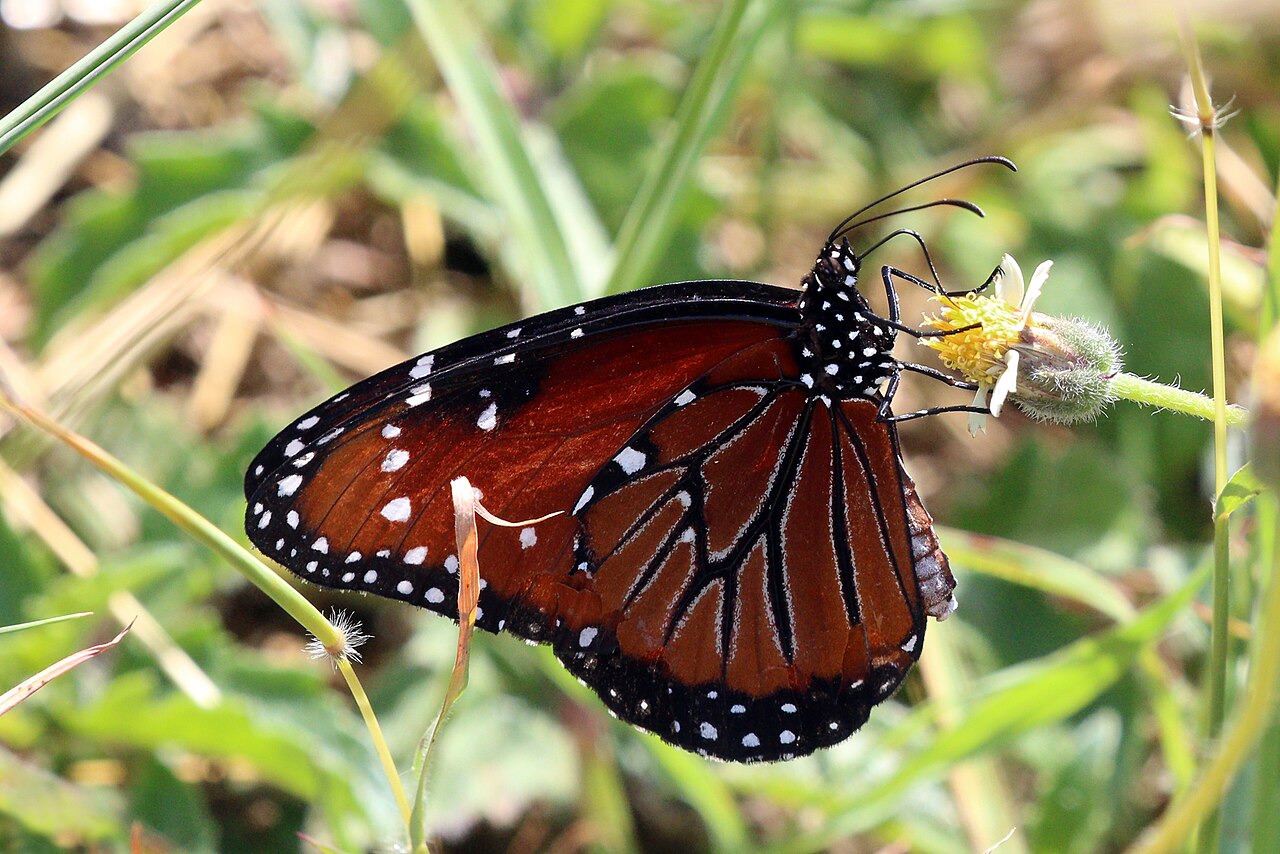
The queen (Danaus gilippus) is the look-alike that fools people in the South. Its wings are mahogany brown rather than bright orange, white spots scatter across the forewing, and the veins on the upperside are faint or missing entirely. It is the closest of the butterflies that look like monarchs, a true relative in the same genus.
The soldier (Danaus eresimus) is a brownish orange with thin black veins and a pale, blotchy band on the hindwing underside. The painted lady (Vanessa cardui) is orange with black and white patches but has no black vein lines. The gulf fritillary (Agraulis vanillae) has long, narrow forewings and flashes silver spots on the underside when it rests.
| Look-alike (scientific name) | Host plant of the young | Tell it apart by |
|---|---|---|
| Monarch (Danaus plexippus) | Milkweed | No hindwing line, two dot rows |
| Viceroy (Limenitis archippus) | Willow, poplar | Black line across hindwing |
| Queen (Danaus gilippus) | Milkweed | Mahogany, white forewing spots |
| Soldier (Danaus eresimus) | Milkweed, milkweed vines | Brownish orange, pale band under hindwing |
| Painted lady (Vanessa cardui) | Thistle, mallow | No vein network |
| Gulf fritillary (Agraulis vanillae) | Passionflower | Silver spots under the wings |
| Large milkweed bug (Oncopeltus fasciatus) | Milkweed seeds | Flat oval body, no scaled wings |
| Small milkweed bug (Lygaeus kalmii) | Milkweed seeds | Black with an orange X |
| Red milkweed beetle (Tetraopes tetrophthalmus) | Milkweed roots | Red-orange, black spots, long antennae |
Monarch Caterpillar vs Look-Alike Caterpillars
A monarch caterpillar wears yellow, black and white bands and carries two pairs of black filaments, one pair at each end. Queen and soldier caterpillars look nearly identical but add a third filament pair in the middle of the body. Count the filaments and the ID is almost always done. A few monarch caterpillars in South Florida have been found with a third pair.
The black swallowtail caterpillar has a green base with black bands and yellow dots and no filaments at all. The milkweed tussock moth caterpillar is fuzzy, with orange, black and white tufts.
The viceroy caterpillar never enters the confusion. It resembles a bird dropping, mottled brown and white, and feeds on willow.
Milkweed Bugs and Beetles That Look Like Monarchs
The large milkweed bug (Oncopeltus fasciatus) is orange with bold black bands and clusters on milkweed seed pods. From across a patch, that mass of orange reads as monarchs until you get close and see a flat, oval true bug.
The small milkweed bug (Lygaeus kalmii) is black with an orange X across its back. The red milkweed beetle (Tetraopes tetrophthalmus) is red-orange with black spots and long antennae, and it sits on the leaves rather than the pods.
The large milkweed bug and the red milkweed beetle stick to milkweed seeds and leaves. The small milkweed bug mostly eats seeds too, but now and then it takes monarch eggs and small caterpillars. All three stay under 1 inch long and crawl more than they fly, so a still insect on a pod is never a monarch.
Why So Many Insects Copy the Monarch
Orange and black advertises toxins. A monarch stores cardiac glycosides from the milkweed it ate as a caterpillar, and a bird that tastes one learns to avoid the pattern afterward.
The viceroy and queen are distasteful in their own right. They share the signal with the monarch rather than faking it, which biologists call Muellerian mimicry. The milkweed bugs and the red milkweed beetle carry milkweed toxins too.
The painted lady resembles the monarch only loosely and is not considered a mimic. Whether a monarch sighting is a warning in a spiritual sense is a question of belief, and the monarch butterfly meaning page takes it on.
Where and When You’ll See Each Look-Alike
Queens and soldiers belong to the South. Queens fly from Florida and Texas to Arizona, while soldiers live mainly in southern Florida and south Texas and only rarely stray into southern Arizona. The viceroy ranges across most of the US east of the Cascades and the Sierra Nevada and stays close to wet meadows and willow thickets.
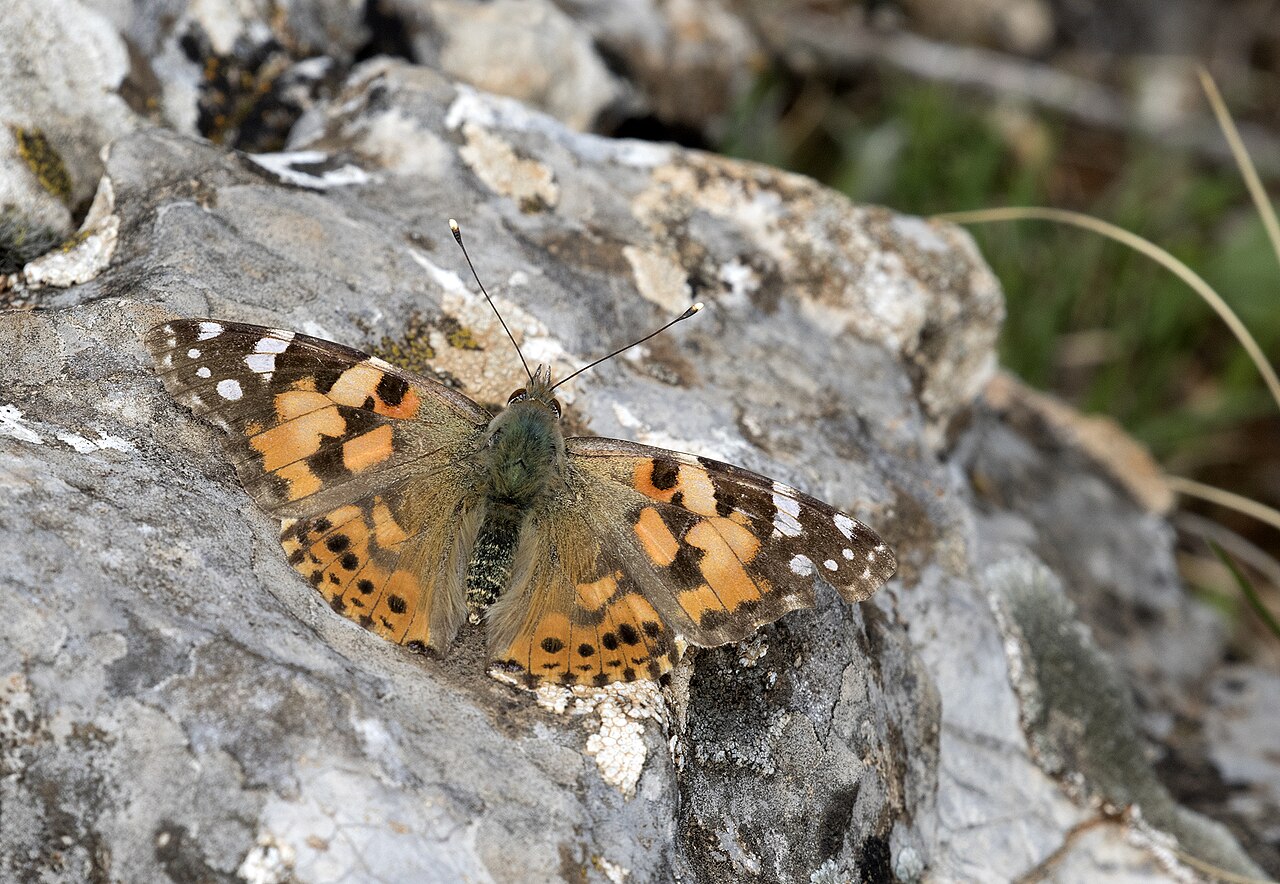
The painted lady turns up nationwide and becomes abundant in irruption years, when spring waves push north. Milkweed bugs and the red milkweed beetle appear wherever milkweed grows, peaking from midsummer into fall as the pods open.
The monarch flies from spring to fall, and the late-summer generation migrates south. That migrating brood lives up to 8 months, while summer adults last 2 to 6 weeks, as the monarch life cycle shows.
Frequently Asked Questions
What are the tiny orange butterflies that look like small monarchs?
At 1.25 to 1.75 inches across, the pearl crescent is the usual answer. It is orange and black like a monarch but far smaller, and it flies low over lawns and fields. Up close the wings show a fine checkered pattern instead of thick veins and a white dotted border.
Are there different kinds of monarch butterflies?
No, in the US there is one species, Danaus plexippus. The eastern and western populations are the same butterfly and mainly differ in where they spend the winter, with the eastern group heading to Mexico and the western group to the California coast. A nonmigratory subspecies lives from South Florida into the Caribbean.
Are monarch butterflies rare?
No, monarchs are still common across the US in summer. The western overwintering count fell below 10,000 in 2024, and the US Fish and Wildlife Service proposed listing the monarch as threatened in December 2024.
Do monarch look-alikes migrate too?
No, most of them do not. Viceroys and queens skip long migrations and spend the winter within their home ranges. The painted lady and the gulf fritillary are the exceptions. Gulf fritillaries pour south into peninsular Florida each fall, and a painted lady can cover hundreds of miles in a spring flight.
Is there a white monarch butterfly?
Yes, a rare whitish form exists and is best known from Hawaii. It is the same species, Danaus plexippus, with the orange pigment missing from the wing scales while the black veins and white border dots remain.
Sources
- U.S. Fish and Wildlife Service, Monarch (Danaus plexippus)
- UF/IFAS EDIS, Viceroy butterfly Limenitis archippus
- Butterflies and Moths of North America, Viceroy
- Butterflies and Moths of North America, Queen
- Monarch Joint Venture, Monarch Biology