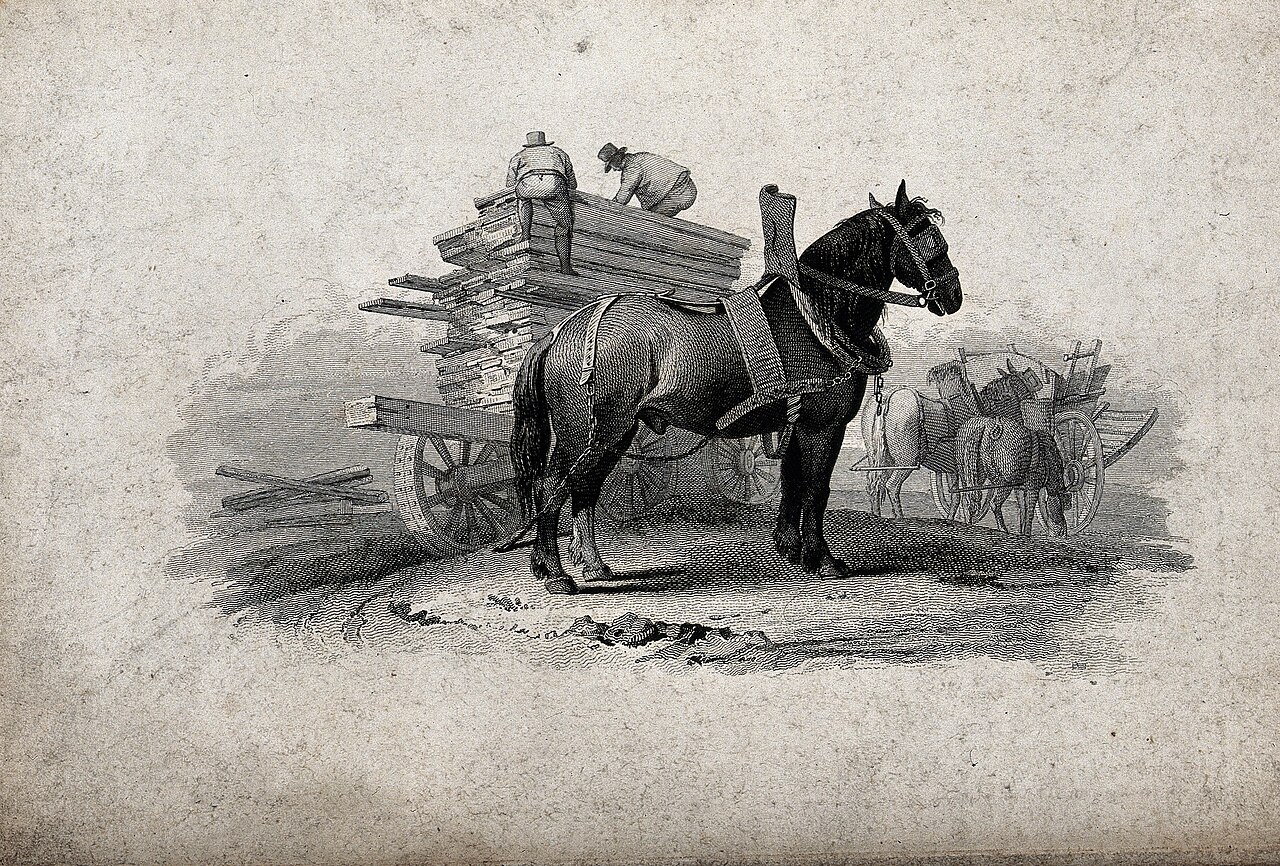
Dead Horse Meaning: What ‘Beating a Dead Horse’ Really Means
Dead horse meaning, in everyday English, comes down to one idiom, “beating a dead horse.” You hear it mid-argument, in a meeting, or in a group chat when someone raises the same point for the third time.
“Beating a dead horse” means wasting effort on an issue that is already settled or can no longer change. Use it when someone reopens a closed decision or pushes a hopeless project. “Flog a dead horse” is the British form, and a short “that’s a dead horse” marks a topic as closed.
What Does ‘Beating a Dead Horse’ Mean?
It means you keep pushing a point or a plan after it has stopped mattering. The phrase has two shades. One is rehashing an argument that is already closed. The other is pouring time into a project that has no chance left.
The short form works too. “That’s a dead horse” tells the room a topic is finished and nobody needs to defend it again.
In an office, it sounds like this. “Finance signed off on the budget in March, so reopening it now is beating a dead horse.” In a relationship, one partner might say, “We settled that fight two years ago. Bringing it up again is beating a dead horse.” In a debate, a moderator can cut in with, “Everyone already conceded that point, so let’s not beat a dead horse.”
The elephant lends English “the elephant in the room,” an obvious issue that nobody will raise. A dead horse is the reverse, an issue that people keep raising.
Where the Phrase Comes From and the Dead Horse Theory
The image is easy to read literally, because whipping a dead horse gets no work out of it. The earliest firmly dated record is an 1859 remark in the House of Commons about John Bright’s push for parliamentary reform, and the Oxford English Dictionary’s earliest verified print use is from 1872. Nobody knows who coined it.
Variants swap the verb. You can flog, beat or kick a dead horse, and all three mean the same thing.
A mare lends its name to “a mare’s nest,” an idiom for a confused mess or a discovery that turns out to be worthless.
The dead horse theory turns the idiom into management satire. Its core rule says that when you discover you are riding a dead horse, the best strategy is to dismount. The satire then lists what organizations do instead. They buy a stronger whip, appoint a new rider, form a committee to study the horse, or redefine “dead” so the project stays on the books.
Finding a real dead horse is a separate matter. The horse stands for energy and freedom in the Chinese zodiac. Spiritual readings of a dead horse borrow the idiom’s logic and see an effort or a life phase that has run its course.
What to Say Instead of Beating a Dead Horse
Say “we’ve already settled this” or “that ship has sailed” when you want the same message without the image. Some listeners find the image of beating an animal harsh, so a plainer phrase can be safer in formal settings.
Match the swap to the room. With friends, a playful idiom lands well. With colleagues and in work emails, plain wording does the job better. “We closed this in Tuesday’s meeting” is clear and leaves no one feeling mocked.
| Alternative phrase | Tone | Best used when |
|---|---|---|
| Let’s agree to disagree | Friendly | Neither side will change its view |
| Going in circles | Neutral | A discussion repeats without progress |
| That ship has sailed | Playful | A chance or decision is past for good |
| We’ve already settled this | Plain | Work emails and formal settings |
| Let’s move on | Direct but polite | A debate needs a reset |
| Water under the bridge | Warm | A past dispute is over and no longer matters |
A deer gives English “like a deer in the headlights,” which describes someone frozen by surprise rather than someone stuck on an old point.
A doe lends its name to “doe-eyed,” a word for a wide, innocent look.
Frequently Asked Questions
What does ‘dead horse’ mean in slang?
In older slang, “dead horse” means wages paid in advance. In nautical and Australian and New Zealand use, workers spoke of “working off the dead horse” until they had earned the advance back. In Australian rhyming slang, it means tomato sauce. As a label for a closed topic, it is informal usage borrowed from the idiom.
Is it ‘beat’, ‘flog’ or ‘kick’ a dead horse?
No, any of the three works, and all three mean the same thing. In US English, “beat” is the standard form, while “flog” is the usual British one, so “beat” is the safest pick for a US audience.
Sources