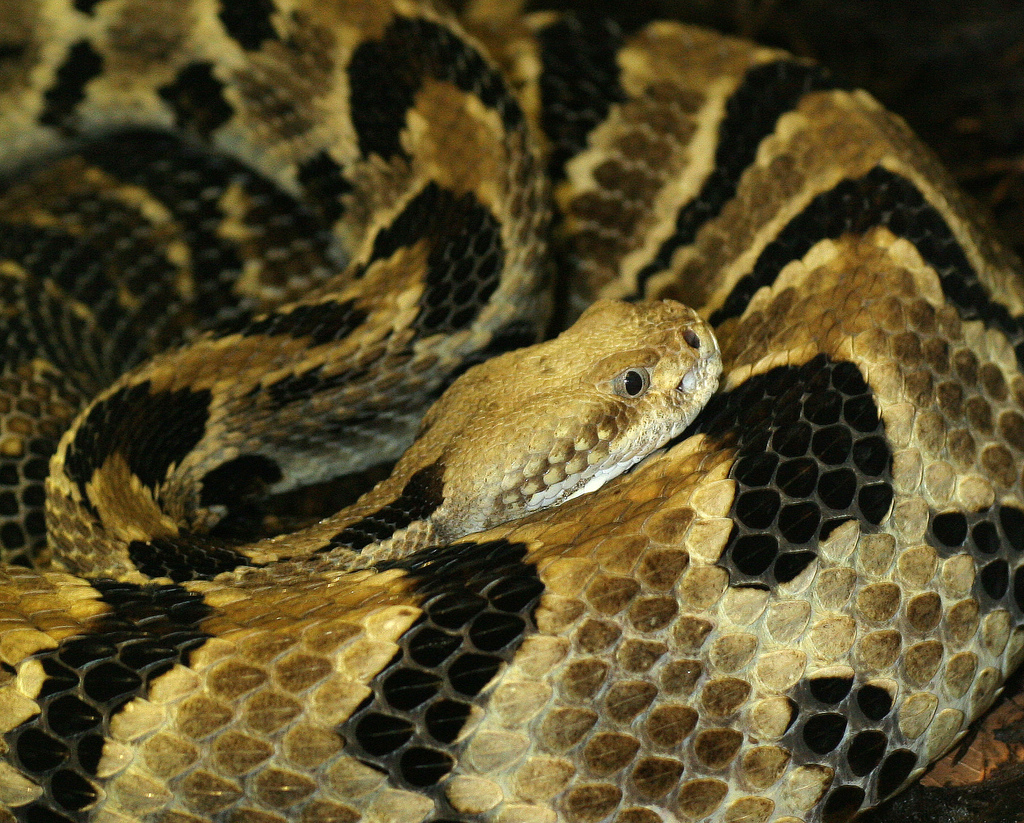
Rattlesnake Bite: What to Do in the First Hour
A rattlesnake bite is a medical emergency that needs a hospital, not a field remedy. Around 7,000 to 8,000 people are bitten by venomous snakes in the United States each year, rattlesnakes cause most of the serious envenomations, and about five of those bites are fatal. The gap between 8,000 bites and five deaths exists for one reason: people get to an emergency department and receive antivenom.
Almost everything the average hiker believes about treating a snakebite is wrong, and several of the old methods cause more tissue damage than the venom. What follows covers what a bite does, what the first hour should look like, what antivenom achieves, and how bites on dogs differ from bites on people.
Call 911 immediately after a rattlesnake bite. Keep the victim calm and still, remove rings, watches and tight clothing near the bite, and keep the limb roughly at heart level. Do not cut, suck, ice, or apply a tourniquet. Antivenom given at a hospital is the only effective treatment, and survival with treatment is above 99 percent.
| Question | Short answer |
|---|---|
| Is it an emergency? | Yes, call 911 or Poison Control at 1-800-222-1222 |
| Deaths per year in the US | About 5 from all venomous snakes |
| Survival rate with treatment | Above 99 percent |
| Dry bites | Roughly 20 to 25 percent of strikes inject no venom |
| Treatment | CroFab or ANAVIP antivenom, given intravenously |
| Time to treatment | As fast as possible, ideally within a few hours |
| First aid to avoid | Tourniquets, cutting, suction, ice, alcohol |
What Happens When a Rattlesnake Bites You
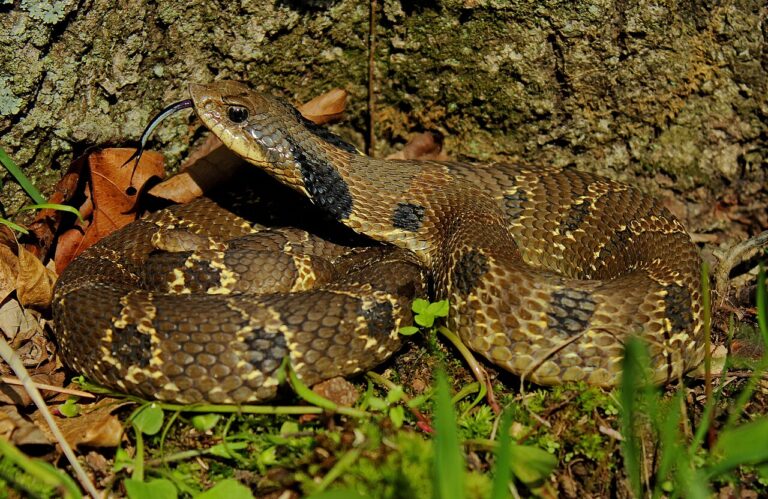
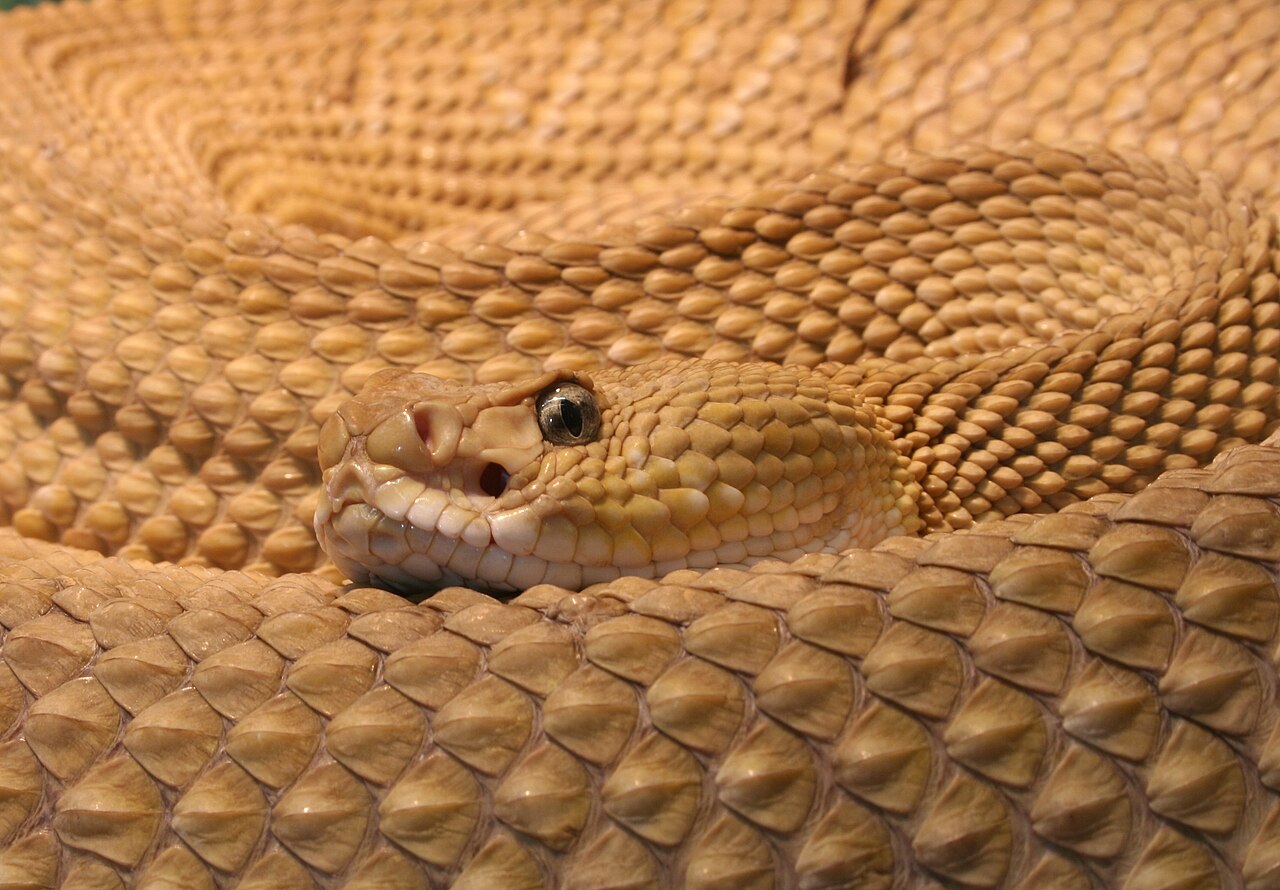
Rattlesnakes deliver venom through two hollow fangs that fold back against the roof of the mouth and swing forward during a strike. The strike itself lasts a fraction of a second, and the snake controls how much venom it releases.
Rattlesnake venom is mostly hemotoxic and cytotoxic. It breaks down blood vessel walls, destroys muscle and connective tissue, and interferes with clotting, which is why the limb swells hard and fast and why bleeding problems can appear hours later. Some species, including the Mojave rattlesnake (Crotalus scutulatus), carry a neurotoxic component that can also affect nerves and breathing.
The wound usually shows one or two puncture marks, though a glancing strike may leave scratches. The absence of clean fang punctures does not rule out envenomation. Harmless snakes leave a different signature: a garter snake bite is a shallow arc of pinprick scratches with no spreading swelling. The only other venomous native reptile in the country works differently again, since a Gila monster bite chews venom into the wound instead of injecting it through fangs.
Rattlesnake Bite Symptoms
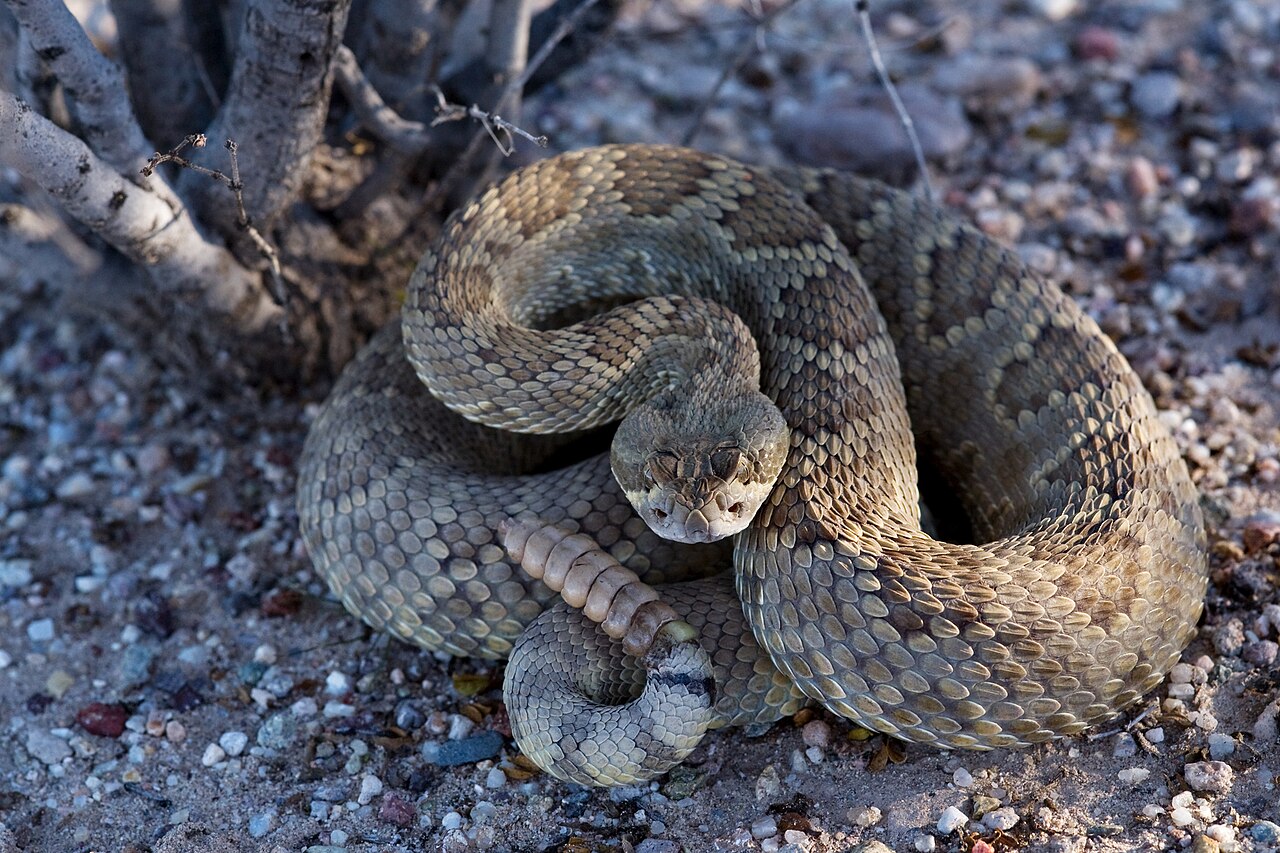
Severe burning pain at the bite site is the earliest sign, often within seconds. Swelling follows within 15 to 30 minutes and spreads up the limb, and the skin around the punctures may bruise, blister or turn a dusky purple over the next several hours.
Systemic symptoms include nausea and vomiting, sweating, a metallic or rubbery taste in the mouth, weakness, lightheadedness and a racing pulse. Tingling or twitching around the mouth and face suggests a neurotoxic component and is a red flag.
Symptoms can worsen for 24 to 48 hours even after antivenom, and clotting values sometimes drift days later. That is why treated patients stay under observation and return for lab checks.
What to Do Immediately After a Rattlesnake Bite
Call 911 first. If the bite happened far from a road, send someone ahead to meet responders and keep the victim moving as little as possible on the way out.
Move out of the snake’s reach, then sit the person down and keep them calm, since a slower heart rate moves venom more slowly. Strip off rings, bracelets, watches, boots and anything that will trap swelling. Mark the leading edge of the swelling with a pen and write the time next to it, then mark it again every 15 minutes so the hospital can see how fast it advanced.
Keep the bitten limb roughly level with the heart and immobilize it loosely, as you would a sprain. Do not chase or kill the snake. Treatment does not depend on identifying the species, and a second bite while trying to catch it is a real risk.
What Never to Do After a Rattlesnake Bite
No tourniquets and no tight constriction bands. Cutting off blood flow concentrates venom in the limb and has cost people fingers, hands and legs that antivenom would have saved.
No cutting and no suction. Blades add infection and nerve damage, extractor pumps remove a negligible fraction of venom, and mouth suction adds oral bacteria to an open wound. No ice, which worsens local tissue death, and no electric shock devices.
No alcohol, no caffeine and no aspirin or ibuprofen, since those thin the blood and the venom already interferes with clotting. Acetaminophen is the safer choice for pain while waiting. The Centers for Disease Control and Prevention and Poison Control give the same list.
How Long Do You Have If Bitten by a Rattlesnake?
There is no countdown clock, and the common belief in a fixed two hour window is a myth. Most adults bitten by a North American rattlesnake will not die within hours even without treatment, but the tissue damage compounds every hour, and delayed antivenom means more dead muscle, more surgery and a worse recovery.
The practical goal is antivenom within a few hours of the bite. Bites to the torso, face or neck, bites in small children, and bites from large Mojave or eastern diamondback rattlesnakes progress faster and need quicker intervention.
In remote country, evacuation time is the real variable. Planning a route within reach of a road or a helicopter landing zone matters more than any item in a first aid kit.
What Is the Survival Rate of Being Bit by a Rattlesnake?
With prompt hospital treatment, survival is above 99 percent. Of roughly 7,000 to 8,000 venomous snakebites reported each year in the United States, about five end in death, and a large share of those involve people who refused treatment, delayed for many hours, or had a severe allergic reaction.
Survival is not the same as full recovery. A meaningful number of patients keep lasting effects, including reduced strength, stiffness, chronic pain or partial loss of a finger, and some need skin grafts or fasciotomy for compartment pressure.
Outcomes are worst for bites to the hand while handling or provoking a snake, which is how a large fraction of American bites happen in the first place.
Has Anyone Survived a Rattlesnake Bite Without Antivenom?
Yes, many people have, which is exactly why the myth of the harmless bite survives. Dry bites inject no venom at all, and mild envenomations sometimes resolve with supportive care alone.
That does not make skipping the hospital a reasonable gamble. Nobody can tell in the field whether a bite was dry, mild or severe, because the difference only shows up in how the swelling advances and what the blood work says over the following hours.
Survivors of untreated bites are also the population that reports amputations, permanent contractures and months of rehabilitation. Antivenom is not only about staying alive, it is about keeping the limb working.
How Antivenom Works
Two antivenoms are used in the United States: CroFab and ANAVIP. Both are made from antibody fragments produced in sheep or horses immunized with pit viper venom, and both are given by intravenous drip.
The fragments bind circulating venom components so the body can clear them. Doctors give an initial dose, watch whether swelling stops advancing and clotting values stabilize, and repeat the dose until the bite is controlled. ANAVIP has a longer half life and tends to require fewer repeat doses for late clotting problems.
Cost is significant. Hospital billing for a treated rattlesnake bite in the United States commonly lands in the tens of thousands of dollars and has exceeded 100,000 dollars in published cases, driven mostly by the number of antivenom vials.
Dry Bites and Defensive Strikes
Roughly 20 to 25 percent of rattlesnake bites are dry, meaning the fangs penetrate but little or no venom is injected. Venom is metabolically expensive and is meant for prey, so a snake defending itself has good reason to hold it back.
A dry bite still hurts, still breaks the skin and still requires evaluation. Treat every bite as envenomated until a hospital says otherwise, because the two look identical in the first 20 minutes.
Juvenile rattlesnakes are not more dangerous than adults, despite the popular claim that they cannot control their venom. Adults carry far more venom and have longer fangs.
Rattlesnake Bites on Dogs
Dogs get bitten on the muzzle and front legs because they investigate with their nose. The response is the same: go straight to a veterinary hospital and call ahead so the clinic can prepare antivenom, since not every practice keeps it on the shelf.
Keep the dog as calm and still as possible during transport and do not attempt first aid on the wound. Swelling of the face and throat is the main early danger, and veterinary care can include antivenom, fluids, pain control and oxygen.
A rattlesnake vaccine exists for dogs, but veterinary opinion on its benefit is divided and it is not a substitute for emergency treatment. Rattlesnake avoidance training is the more widely recommended measure in high risk areas.
Will a Rattlesnake Chase You If You Run?
No. Rattlesnakes do not pursue people. A snake that appears to come toward you is almost always trying to reach cover that happens to lie in your direction, and backing away five or six feet ends the encounter.
The rattle is a warning system, not a threat display looking for a target. A snake that rattles is asking to be left alone, and a snake that stays silent is trying to go unnoticed. Neither is hunting you.
Most bites follow deliberate contact. Reaching under a ledge, stepping over a log without looking, or picking the animal up accounts for the majority of cases, and alcohol is involved in a striking share of them.
How to Avoid a Rattlesnake Bite
Watch where you put your hands and feet. Step onto logs and rocks rather than over them, use a light on trails after dark, and never reach into brush, rock crevices or woodpiles you cannot see into.
Wear boots and loose long pants in rattlesnake country. Keep dogs leashed on trails, and keep yards free of the rodent habitat that draws snakes in: seed spills, brush piles and dense ground cover along foundations.
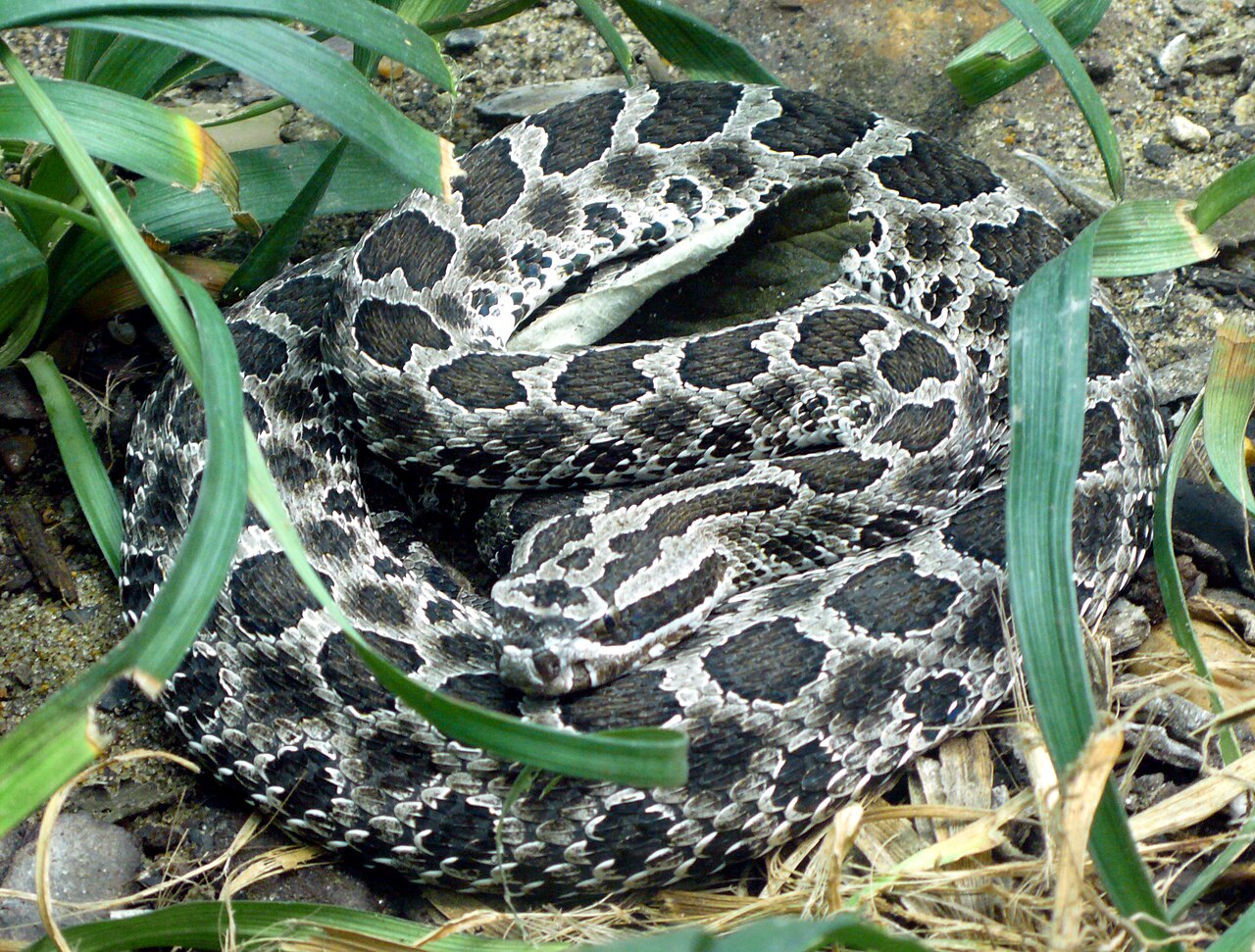
Learn what actually lives near you. The eastern diamondback rattlesnake occupies a different habitat than western species, and most of the blotched snakes people panic over, such as the eastern milk snake and the black kingsnake, are harmless and eat rodents.
Frequently Asked Questions
What is the deadliest snake bite?
By total deaths worldwide, the saw scaled viper and the Indian cobra kill the most people. By venom potency, the inland taipan tops the list. In the United States, the eastern diamondback rattlesnake causes the most severe envenomations because of its size and venom yield.
Can a 10 pound dog survive a rattlesnake bite?
Yes, small dogs survive rattlesnake bites regularly, but body size raises the risk because the same venom dose goes further. Immediate transport to a veterinary hospital that stocks antivenom is the single factor that most improves the odds for a small dog.
What animal is immune to a rattlesnake bite?
Kingsnakes, opossums, hedgehogs, mongooses and California ground squirrels all carry natural resistance to pit viper venom. Kingsnakes are the best known case: their blood neutralizes rattlesnake venom well enough that they hunt and eat rattlesnakes.
Can I give my dog Benadryl to treat a snake bite?
No. Benadryl does nothing against snake venom and can delay the trip to a veterinarian. Some clinics use antihistamines as part of a broader protocol, but that decision belongs to the vet. Drive to the clinic and call ahead instead.
Can a dog scare a snake away?
Barking and movement may push a snake toward cover, but a dog that presses the encounter is far more likely to get bitten than to win it. Rattlesnake avoidance training teaches dogs to retreat from the smell and sound rather than investigate.
Is a rattlesnake bite always poisonous?
The right word is venomous, not poisonous, since venom must be injected. And no, not every bite delivers venom: about a fifth to a quarter are dry. Even so, every bite needs emergency evaluation because the difference is invisible at first.