Deer Lifespan: How Long Deer Live in the Wild vs Captivity
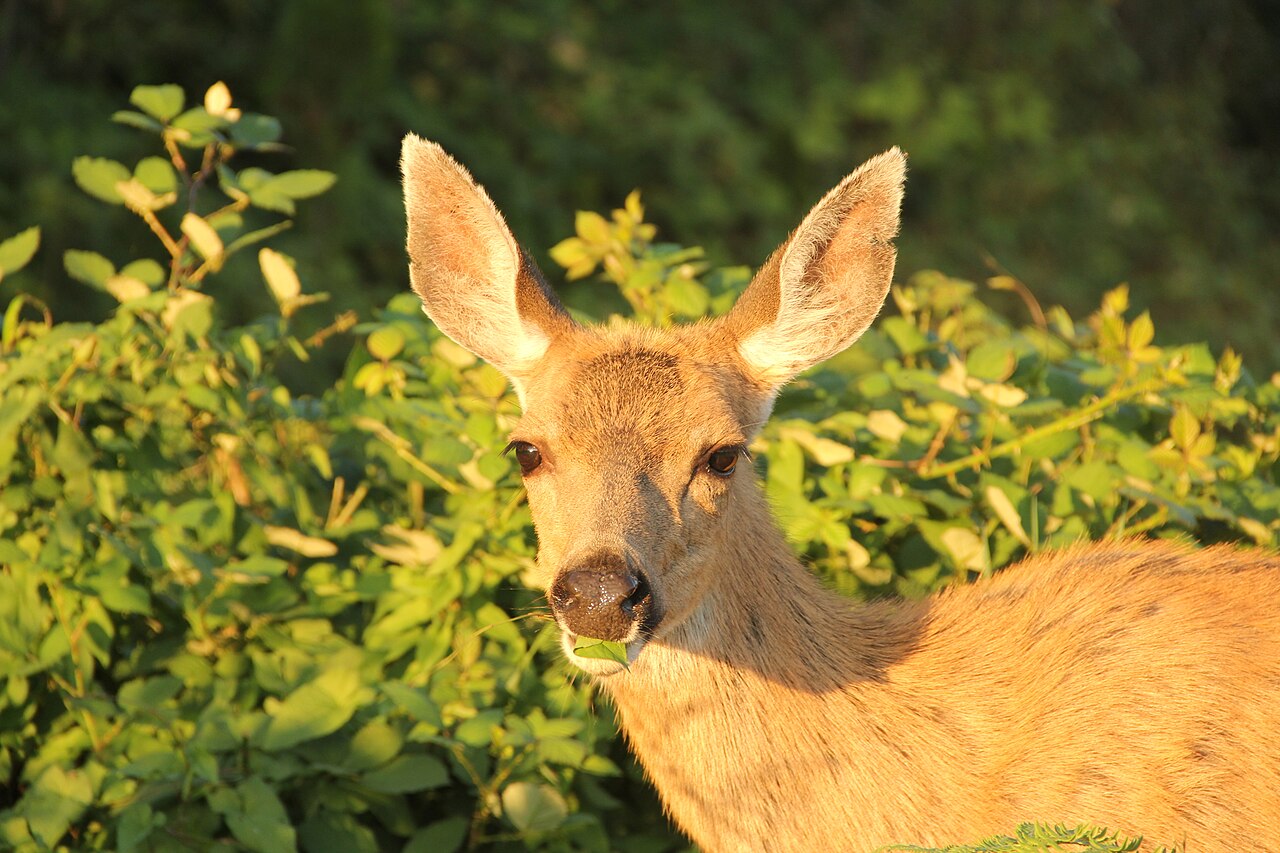
A wild white-tailed deer lives about 2 to 3 years on average, even though the species is built to reach 10 or more. That gap between average and potential is the whole story of deer lifespan, and hunting is only part of it. Fawn mortality, winter, vehicles, predators, and worn teeth all take their share long before old age does.
Captive deer show what the body can actually do. Protected from predators and fed year round, whitetails routinely pass 15 years, and the record holders reach their early twenties. The numbers below separate what is typical from what is possible, for bucks, does, mule deer, and elk.
Wild white-tailed deer average 2 to 3 years, with does that survive to adulthood often reaching 6 to 8 and a maximum around 15 to 20. Bucks average less, roughly 2 to 4 years, because of hunting pressure and rut exhaustion. In captivity deer commonly live 15 to 20 years.
| Deer | Average in the wild | Maximum wild | In captivity |
|---|---|---|---|
| Whitetail buck | 2 to 4 years | Around 15 years | 15 to 20 years |
| Whitetail doe | 4 to 6 years | Around 20 years | Up to 22 years |
| Mule deer | 3 to 6 years | Around 16 years | Up to 20 years |
| Elk | 8 to 12 years | Around 20 years | Over 20 years |
| Fawn (first year) | Only 40 to 60 percent survive | Not applicable | Over 90 percent survive |
How Long Do Deer Live in the Wild?
Averages for wild deer are dragged down by the young. Roughly half of all fawns die in their first few months, so any average that includes them lands near 2 to 3 years. Ask instead how long a deer lives once it survives its first winter, and the answer jumps to 6 to 8 years for does in lightly hunted country.
Regional pressure changes the picture more than biology does. In heavily hunted farmland, most bucks are shot as 1.5 year olds and the population’s average age never climbs. In suburbs, refuges, and states with antler restrictions, the same genetics produce deer that reach 8 and 10 years old. Deer are also most active at dawn and dusk, which is covered in our look at when deer actually move, and that timing decides how many meet a vehicle. Compared with other common backyard mammals, deer are long lived: a raccoon rarely passes 3 years in the wild.
Deer Lifespan in Captivity vs the Wild
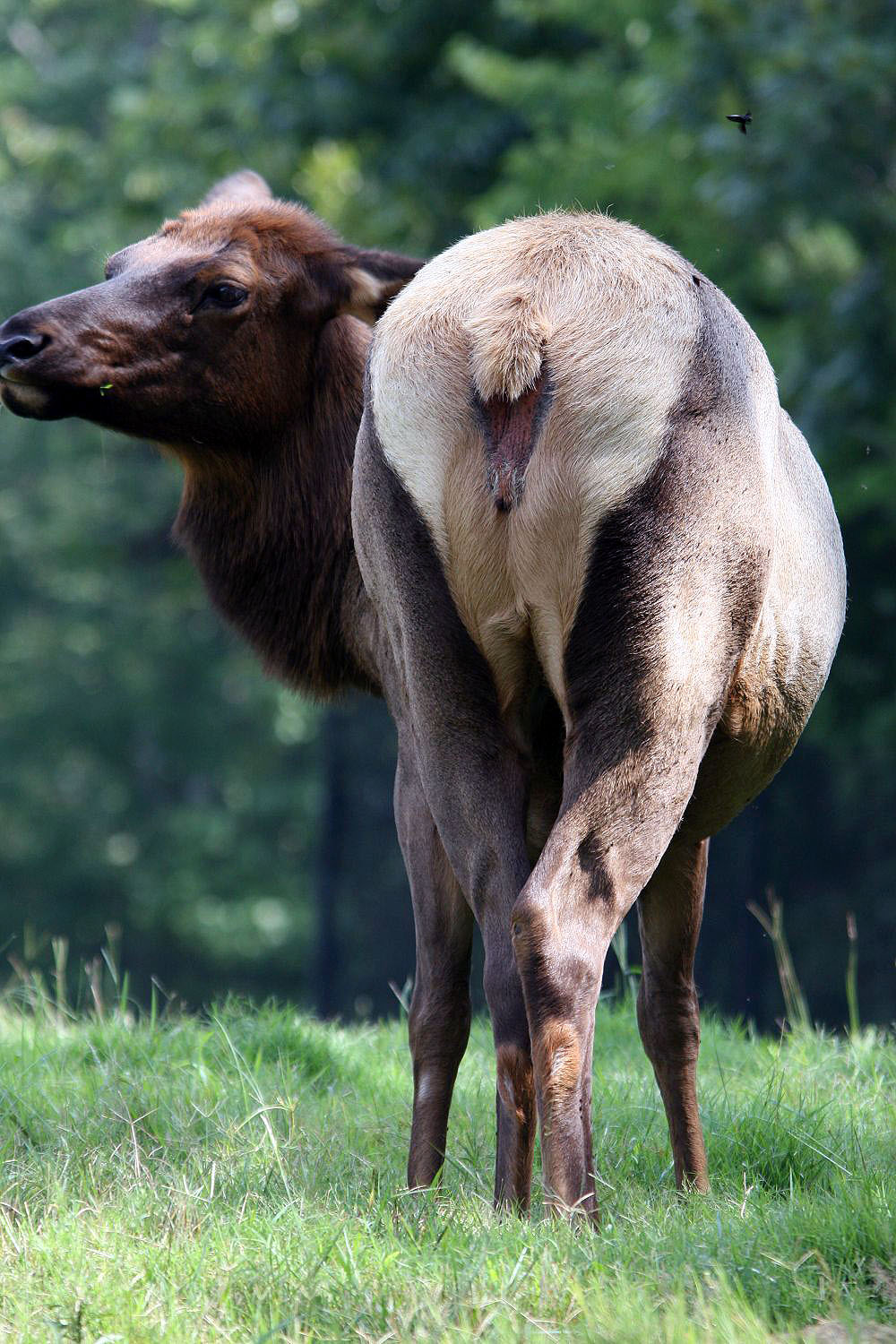
Captive deer live three to five times longer than the wild average. Research herds, such as the long running penned deer at Pennsylvania State University and other land grant programs, regularly keep whitetails into their late teens, and individual does have passed 20 years with veterinary care. State wildlife agencies including Texas Parks and Wildlife publish age structure data from both wild and managed herds.
What runs out first in captivity is teeth. Deer molars wear down from a lifetime of grinding fibrous browse, and once the enamel ridges are gone the animal cannot extract enough nutrition no matter how much feed is available. That is the natural ceiling for the species, and it is why biologists age deer by tooth wear at all.
What Kills Most Deer Before Age Three?
Predation on fawns is the single largest factor across most of the United States. Coyotes take a large share in the Southeast, where fawn survival in some studies falls below 30 percent, and black bears, bobcats, and mountain lions add to the toll elsewhere. Sizing up the tracks and scat of local predators, as in our comparison of deer droppings against other herbivores, is how many landowners first notice who shares the woods.
After fawns clear their first summer, the leading causes shift to hunting, vehicle collisions, and winter starvation in northern range. Disease is rising in the ranking, with chronic wasting disease and epizootic hemorrhagic disease killing deer in prime age classes. A hard winter with deep crusted snow can kill a fifth of a northern herd on its own.
How Old Is a 200 lb Buck?
A live weight of 200 lb (90 kg) in the northern United States usually means a buck of 3.5 years or older, and in the South it often means a genuinely old deer of 5 or more. Body weight tracks nutrition and latitude as much as age, so the same 200 lb frame means different things in Wisconsin and in Alabama.
Field dressed weight confuses the estimate further, since a dressed deer is about 78 percent of live weight. A 200 lb field dressed buck is a live weight near 255 lb (116 kg) and almost certainly mature. Antler mass follows the same curve, peaking between 5 and 7 years, which is why a heavy rack says more about age than the number of points does.
Who Is the Oldest Deer on Record?
The oldest documented wild white-tailed deer is a doe from Georgia aged at 22 years by cementum annuli analysis, a technique that counts growth layers in the tooth root. Several states have confirmed wild does past 19, and Canadian records include a 20 year old whitetail. Wild bucks that old are essentially unheard of.
Captive records run a little higher, with penned whitetails reported to 23 years. Claims based on antler size or on a recognizable deer at a feeder are not records, because without a tooth section there is no way to verify age. Ear tagged deer from research projects supply nearly all reliable numbers.
Why Does Live Longer Than Bucks
Does outlive bucks by two to four years on average in nearly every studied population. They are smaller, less visible, and legal to harvest in fewer seasons, and they never spend their autumn fighting and chasing. Sex specific survival gaps of that size hold true even in unhunted herds.
The rut is the difference. Bucks can lose 20 to 30 percent of their body weight during breeding, entering winter with depleted fat and healing puncture wounds. Add the risk of crossing roads while chasing does, and the mortality curve for bucks steepens every November. The vocal side of that season shows up in the grunts and bleats described in our guide to the sounds deer make, and the physical differences between species are laid out in mule deer against whitetail.
Related reading: Mouse Lifespan.
Frequently Asked Questions
What is the 7 day rule for deer?
Hunters use it for pressure management: stay out of a stand for at least 7 days after hunting it, so mature deer return to normal daylight movement. The idea comes from collar studies showing deer shift patterns for several days after detecting human intrusion. It is a rule of thumb, not a biological law.
How long is a deer pregnant?
White-tailed deer carry fawns about 200 days, roughly 6.5 months. Mule deer run similar at 190 to 200 days, and elk go about 240 to 260 days. Bred in November, a whitetail doe gives birth in late May or early June, and mature does usually carry twins.
What month are most baby deer born?
Late May and June across most of the United States, with a peak in the first two weeks of June in northern states and a longer scattered window in the Deep South. The timing matches peak plant growth so nursing does have enough protein. Details on those first weeks are in our guide to newborn fawns.
Do deer reject fawns if you touch them?
No. That belief is a myth, and it keeps people from returning fawns they have moved. A doe recognizes her fawn and will accept it back after human contact. Fawns left alone and curled up are not abandoned, since does feed away from the fawn to avoid drawing predators to it.
What animal are deer most afraid of?
Humans, measured by response. Collar studies show deer flee farther and stay away longer from human scent and voices than from coyotes, bears, or dogs. Among wild predators, mountain lions provoke the strongest reaction in western herds, and coyotes matter most where fawns are concerned.