Bugs That Look Like Fleas: 8 Lookalikes and How to Tell
Tiny dark specks on a dog, in the bed or around a sink send people straight to “fleas”, but several common US bugs fit that picture, and only some of them bite. Four quick checks settle the question before any spray comes out.
Not a flea? A real flea jumps far and is gone, has no wings, and lives in your pet’s fur or bedding. Anything that flies, crawls or sits on plants or damp walls is a lookalike. Bed bugs, ticks, biting mites and gnats bite; springtails, flea beetles, booklice and carpet beetles do not.
What Do Fleas Look Like?
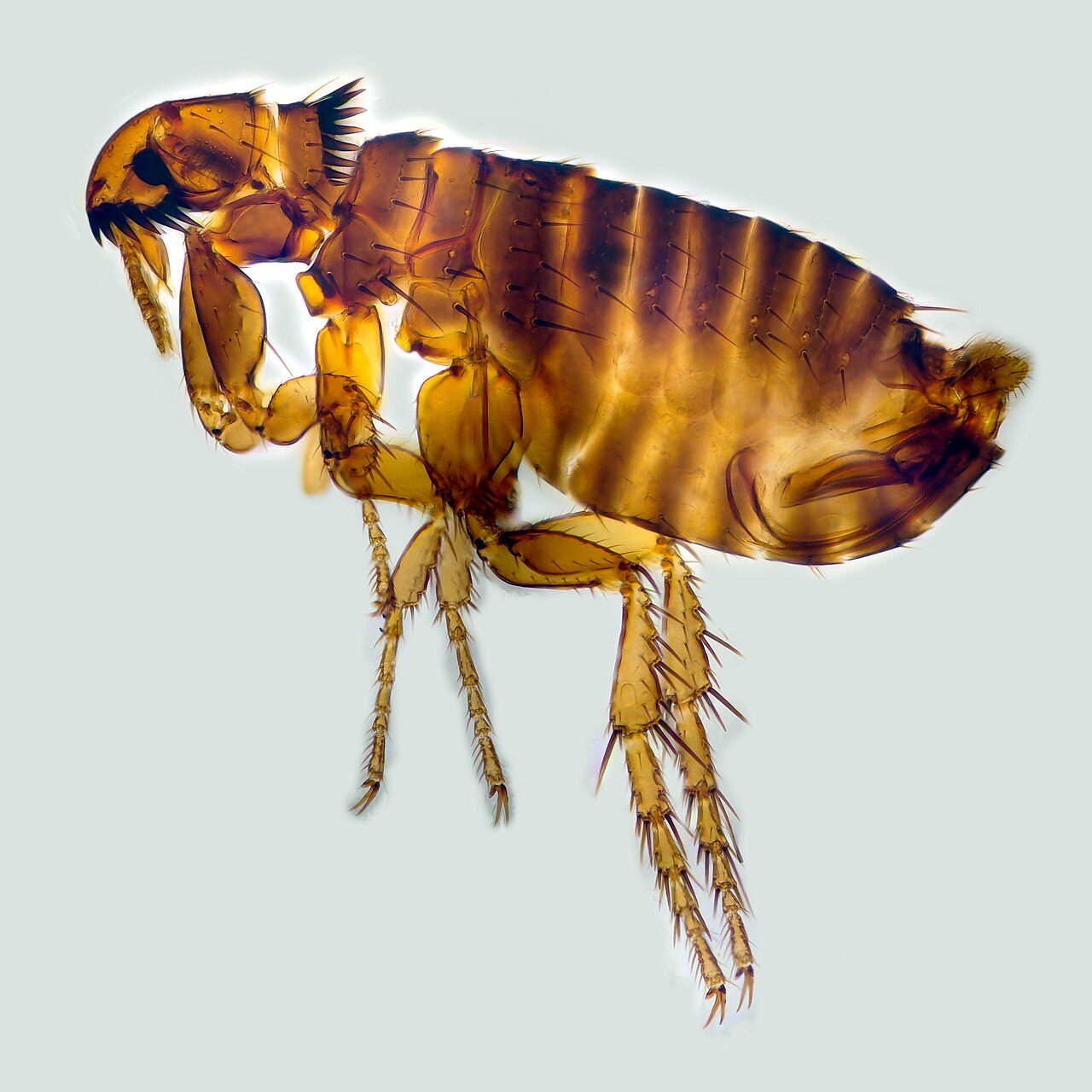
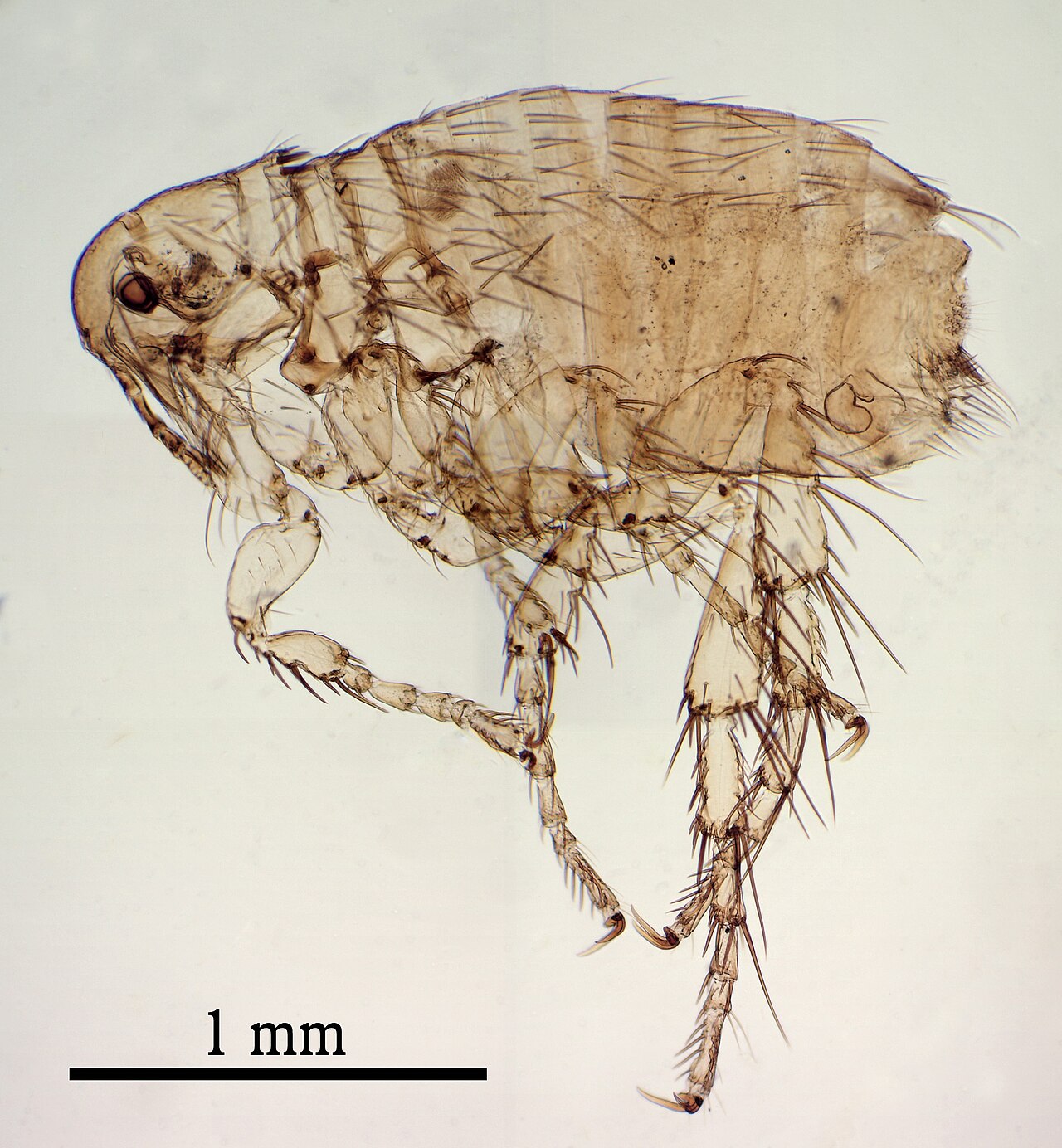
Adult fleas are reddish brown to dark brown, so the answer to “are fleas black” is that they look black until you catch one on white paper. The cat flea (Ctenocephalides felis) is typically the species on both cats and dogs in the US. It is tiny, about the size of a poppy seed to a sesame seed, and it settles where fur is thin, on the belly, the groin and the base of the tail.
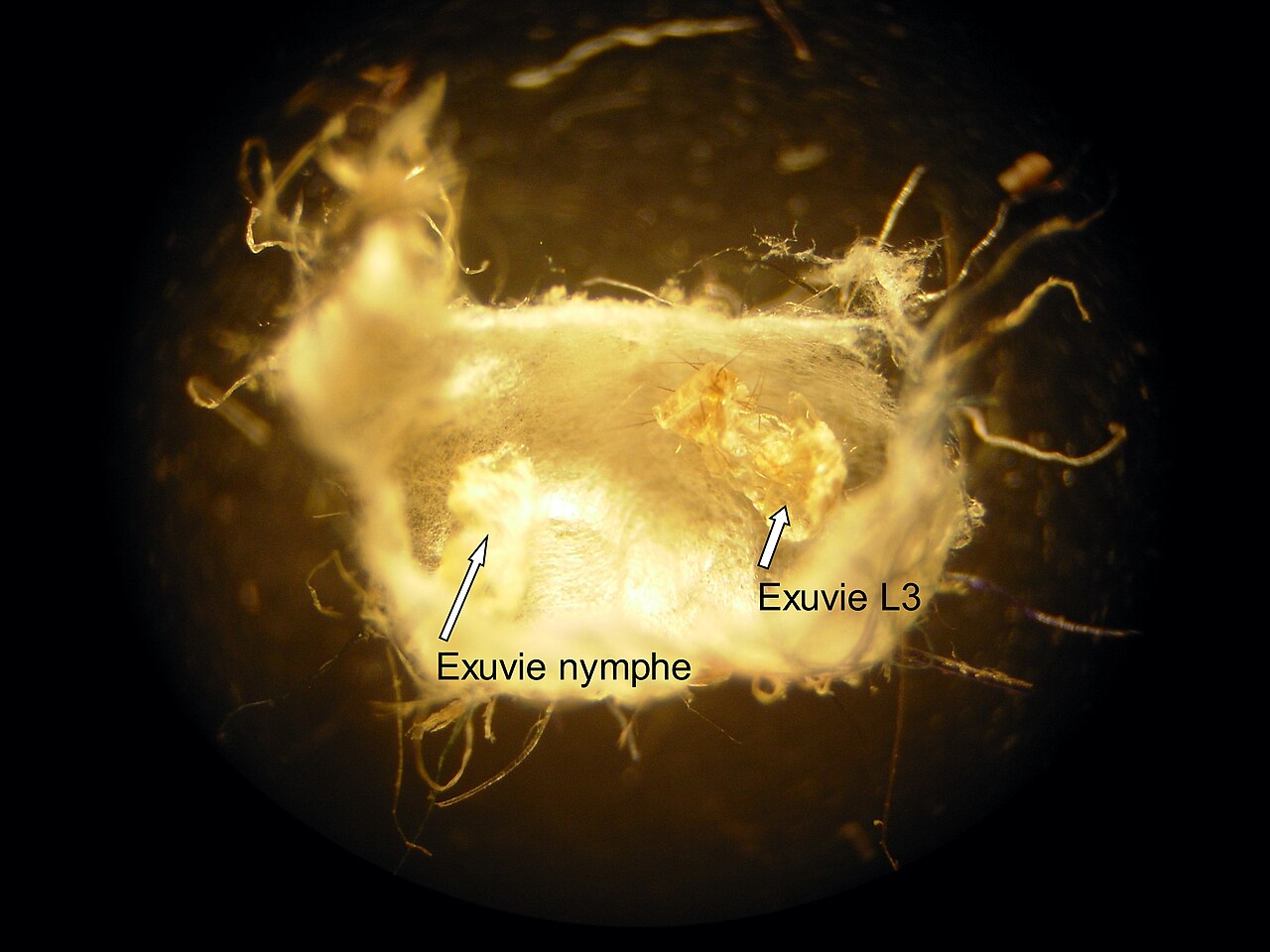
Fleas have no wings at any stage. The long, thick hind legs are the other giveaway. Touch a flea and it does not scurry away. It launches out of sight in a single jump and reappears somewhere else on the animal or on the floor.
Is It Really a Flea? The 4-Point Check
You can tell if a bug is a flea with four quick tests, and most lookalikes fail the first one.
- Jump. Nudge the bug with a pencil tip. A flea springs several inches and is gone. Lookalikes crawl away, fly off, or hop a short distance and land nearby.
- Wings. Any wings, wing stubs or flight rule out a flea on the spot.
- Shape. A flea is flat from side to side, like a coin standing on its edge, and hard enough to resist a fingertip. Bed bugs and ticks are flat from top to bottom, like a seed pressed into the mattress.
- Location. Fleas live in fur and in the places a pet sleeps. A tiny bug on a leaf, in the sink or on a damp windowsill is something else.
Confirm with flea dirt. Comb the pet over a white paper towel, then dampen the dark crumbs that fall out. Flea droppings are digested blood and bleed a rusty red ring on wet paper, while dirt and dandruff stay brown or gray.
| Bug | Color | Jumps, flies or crawls | Bites people or pets | Giveaway clue |
|---|---|---|---|---|
| Flea | Reddish brown, looks black in fur | Jumps far | Yes, both | Red smear on wet paper towel |
| Bed bug | Mahogany brown, nymphs pale | Crawls slowly | Yes, people at night | Dark spots along mattress seams |
| Tick | Brown to gray when fed | Crawls | Yes, stays attached | Eight legs, no antennae |
| Mite (bird, chigger, clover) | Red, orange or pale | Crawls | Bird mites and chiggers yes, clover mites no | Barely visible without a lens |
| Biting gnat, no-see-um | Gray to black | Flies | Yes, people | Bites at dusk near water |
| Springtail | Dark gray, black or white | Jumps short hops | No | Spring folded under belly |
| Flea beetle | Shiny black, bronze or striped | Jumps | No | Shot holes in garden leaves |
| Booklouse | Pale cream to gray | Crawls | No | Soft body on damp paper |
| Carpet beetle | Mottled or solid black | Flies to windows | No (larval hairs can irritate skin) | Fuzzy larvae in wool and lint |
Bed Bugs: The Lookalike That Bites at Night
Bed bugs (Cimex lectularius) bite people at night on skin left uncovered by the sheets, and the welts line up in rows or small groups. That pattern is the first hint that the “fleas” in the bedroom are something else. Flea bites cluster low on the legs, where a jumping insect lands.
An adult bed bug is flat from top to bottom, oval and about the size of an apple seed. It does not jump and cannot fly. The pale, pinhead-sized nymphs are the stage mistaken for fleas, because they are small and nearly translucent until they feed.
Check the mattress seams, the headboard and the joints of the bed frame for dark fecal dots, shed skins and the bugs themselves. Bat bugs look the same but turn up near bat roosts in attics and wall voids, and kissing bugs also feed on sleepers at night but are far larger, around 3/4 in long.
Ticks: Eight Legs and No Antennae
Ticks bite and stay attached for days while they feed, so a small dark bug that will not brush off a dog deserves a close look. An adult tick has eight legs and no antennae; a flea has six legs and two short antennae.
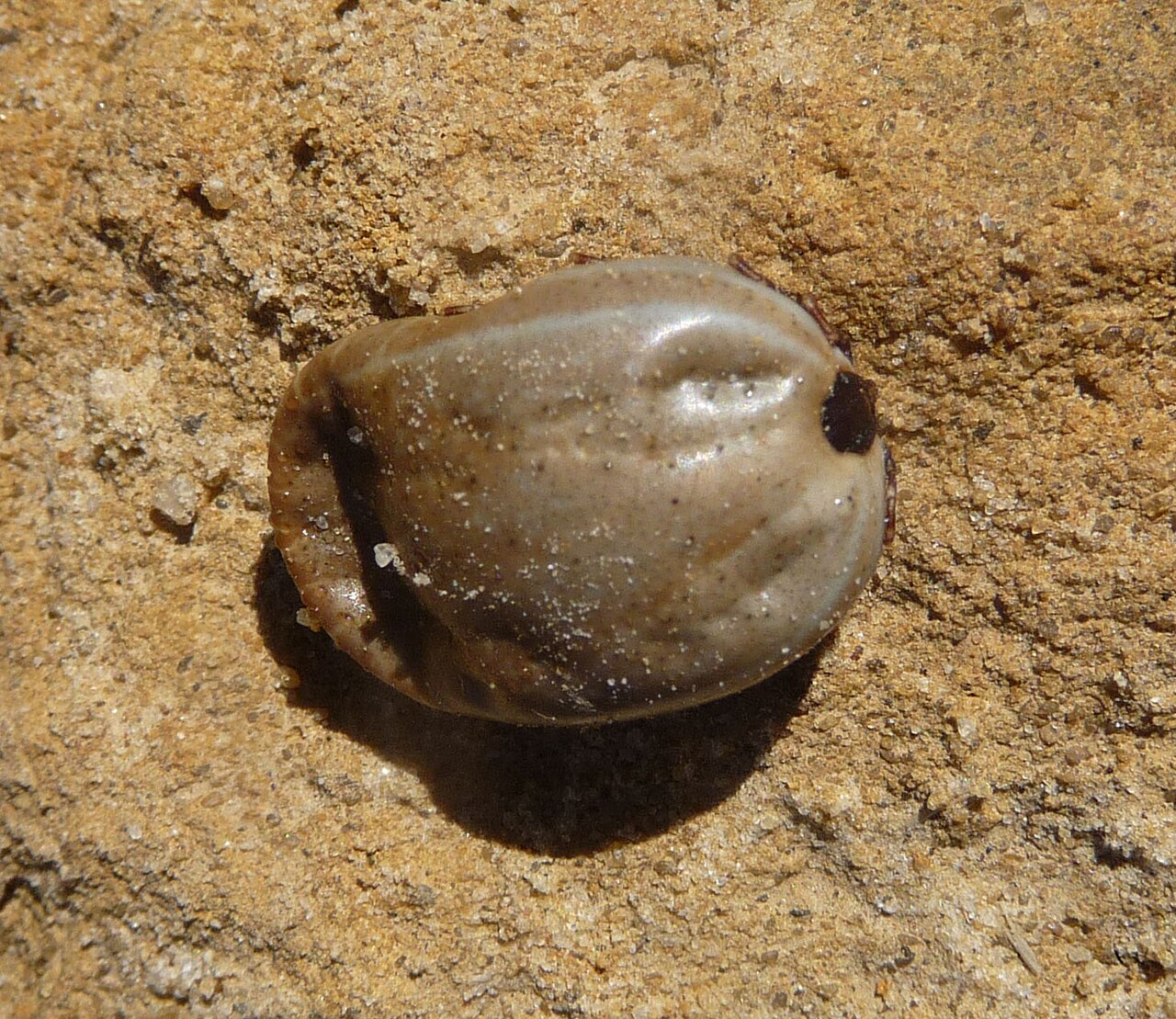
A tick never jumps. It climbs a grass blade or a leaf edge, waits with its front legs out, and grabs whatever brushes past. Once it feeds, the body swells into a gray blob the size of a pea or larger, while a fed flea stays small and hard.
The brown dog tick (Rhipicephalus sanguineus) can complete its whole life cycle indoors, so a house can hold a tick population without any woods nearby. Its larvae, called seed ticks, have six legs and show up in clusters on an animal.
Mites: Bird Mites, Chiggers and Clover Mites
Mites are smaller than fleas, many of them barely visible without a magnifier, and the adults have eight legs. Three kinds get reported as “tiny bugs that bite like fleas” or “tiny red bugs that look like fleas”, and only two of them actually bite.
Bird mites spill out of abandoned nests in gutters and window ledges once the chicks leave, then wander indoors and bite whoever is closest. Chiggers are the larvae of harvest mites. Chiggers bite in tall grass and brush and leave itchy welts at the ankles and waistband, a spot where flea bites also show.
Clover mites are bright red, harmless to people and pets, and swarm on sunny walls and windows in spring and fall. Crush one and it leaves a red stain on the paint or the curtain. The same sunny walls draw boxelder bugs, which are far larger and black with red lines.
On the dog itself, two other tiny crawlers pass for fleas. Biting lice cling to hairs and do not jump, and Cheyletiella mites make flaky skin that seems to move. Neither hops, and a vet can confirm either with a quick skin scrape.
Biting Gnats and No-See-Ums: Fleas With Wings?
The difference between fleas and gnats comes down to wings. Gnats and midges have them and fly, fleas never do.
No-see-ums (Culicoides) are biting midges that feed at dusk and dawn near marshes, ponds and the coast. They slip through ordinary window screens and leave a sharp, burning bite out of all proportion to their size. Black flies bite in daylight, close to clean running water, and go for the hairline and ears. Larger biting flies are easy to confuse with mosquitoes and their lookalikes.
Fungus gnats, which circle overwatered houseplants, are the harmless member of this group and never bite.
Springtails: Tiny Black Bugs That Jump Like Fleas
Springtails (Collembola) are the commonest harmless answer to “tiny black bugs that jump like fleas”. They do jump, but with a forked spring folded under the abdomen that snaps against the ground, not with their legs. The hop is short and random, and the bug lands a few inches away rather than vanishing.
The body is soft and smears when squeezed. Springtails turn up in sinks, potted plants and damp basements, and after heavy rain they can appear by the hundreds on a patio or a pool deck.
Flea treatments do nothing for them. Drying out the area is the fix. Repair the leak and let the plant soil dry between waterings, and they die off within days.
Flea Beetles and Fleahoppers in the Garden
Flea beetles are tiny, shiny beetles, black, bronze, blue-black or striped, that jump with thickened hind legs when a hand comes near. They sit behind the reports of “tiny beetles jumping like fleas in yard”. A hand lens shows hard wing covers, which a flea never has, and thread-like antennae in plain view; a flea’s short antennae lie hidden in grooves on the side of its head.
The damage gives them away before the beetles do. Leaves of eggplant, radish and cabbage end up peppered with small round holes, a pattern called shothole.
The term “flea bug” points to the garden fleahopper (Halticus bractatus), a small black plant bug with a jumping habit. Like stink bugs, it feeds with a piercing beak and leaves pale speckling on bean and clover leaves, but at about 1/16 in it is a fraction of their size.
Booklice and Carpet Beetles: Indoor Lookalikes That Don’t Jump
A bug that looks like a flea but doesn’t jump is a booklouse or a carpet beetle, and neither bites. Booklice (Psocoptera) are pale, soft and wingless, about the size of a flea, and they crawl across damp paper, old books and any surface with a film of mold. They feed on that mold, so a dry cupboard clears them. Fast tan crawlers in a warm kitchen are more likely young cockroaches or their lookalikes.
Varied carpet beetles (Anthrenus) are round, hard and mottled in black, white and orange, while black carpet beetles (Attagenus) are oval and solid black to dark brown. The adults fly to windows in spring. The bristly brown larvae are the pests. They chew wool and pet hair in closets and under furniture. Their fine barbed hairs can cause itchy red bumps that look like bug bites, a common reason a carpet beetle problem gets mistaken for fleas.
Found a Real Flea? Why Not to Squish It and What to Do
Don’t squish a flea. Its hard body often survives a pinch and it jumps away, and a crushed flea can smear blood and eggs on your fingers. Drop it into a dish of soapy water instead, press a strip of tape over it, or run a fine flea comb through the fur and dip the comb in the soapy water after each pass.
In parts of the western US, fleas from wild rodents can carry plague, so a flea on a pet that hunts rodents is worth a call to the vet, as the CDC plague transmission page explains.
For an ordinary household infestation the routine is simple. Treat every pet with a flea product from the veterinarian, wash pet blankets and bedding on the hot cycle, and vacuum the carpet, sofa and sleeping spots every day for a couple of weeks.
Frequently Asked Questions
Can fleas live on humans?
No, not for long. Fleas bite people and then leave, because human body hair is too sparse to hide in and the skin is too exposed. After feeding, the flea drops back into the carpet or returns to the dog or cat, where the fur gives it cover.
Do fleas live in human beds?
Yes, they can hide in bedding where a pet sleeps, but they do not stay on human skin. Flea eggs fall off the pet wherever it rests, so a dog or cat that shares the bed brings the infestation along.
What do flea larvae look like?
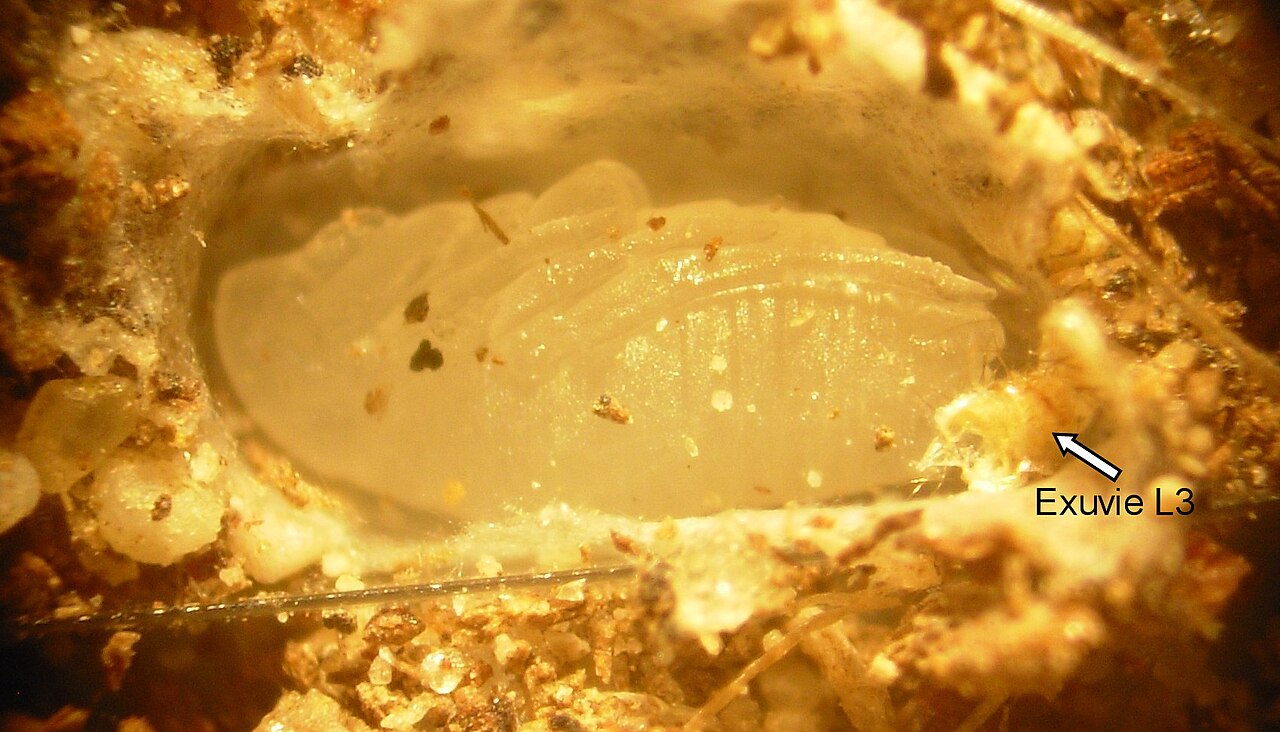
Flea larvae are tiny, pale, worm-like and legless, with a slightly darker head. They avoid light and burrow deep into carpet pile, pet bedding and floor cracks, feeding on flea droppings. Because they stay hidden, most pet owners see only the adults.
Can you see fleas with the naked eye?
Yes. An adult flea is about the size of a sesame seed and shows as a dark, fast-moving speck, easiest to spot on a pet’s belly or on a white sheet.
Do springtails bite?
No. Springtails feed on mold, fungi and decaying plant matter and do not bite people or animals. They can hop onto bare feet in a damp bathroom, but they leave no bite marks and die off once the area dries out.
What is the hardest bug to get rid of in your house?
Bed bugs often rank as the hardest household bug to remove because they hide in mattress seams, furniture joints and wall cracks where sprays do not reach, and they can go months without feeding.
Sources
- CDC, Causes and How Plague Spreads
- CDC Emerging Infectious Diseases, Carpet Beetle Dermatitis
- CDC, Ticks
- EPA, Bed Bugs
- UC IPM, Carpet Beetles
- University of Minnesota Extension, Flea Beetles