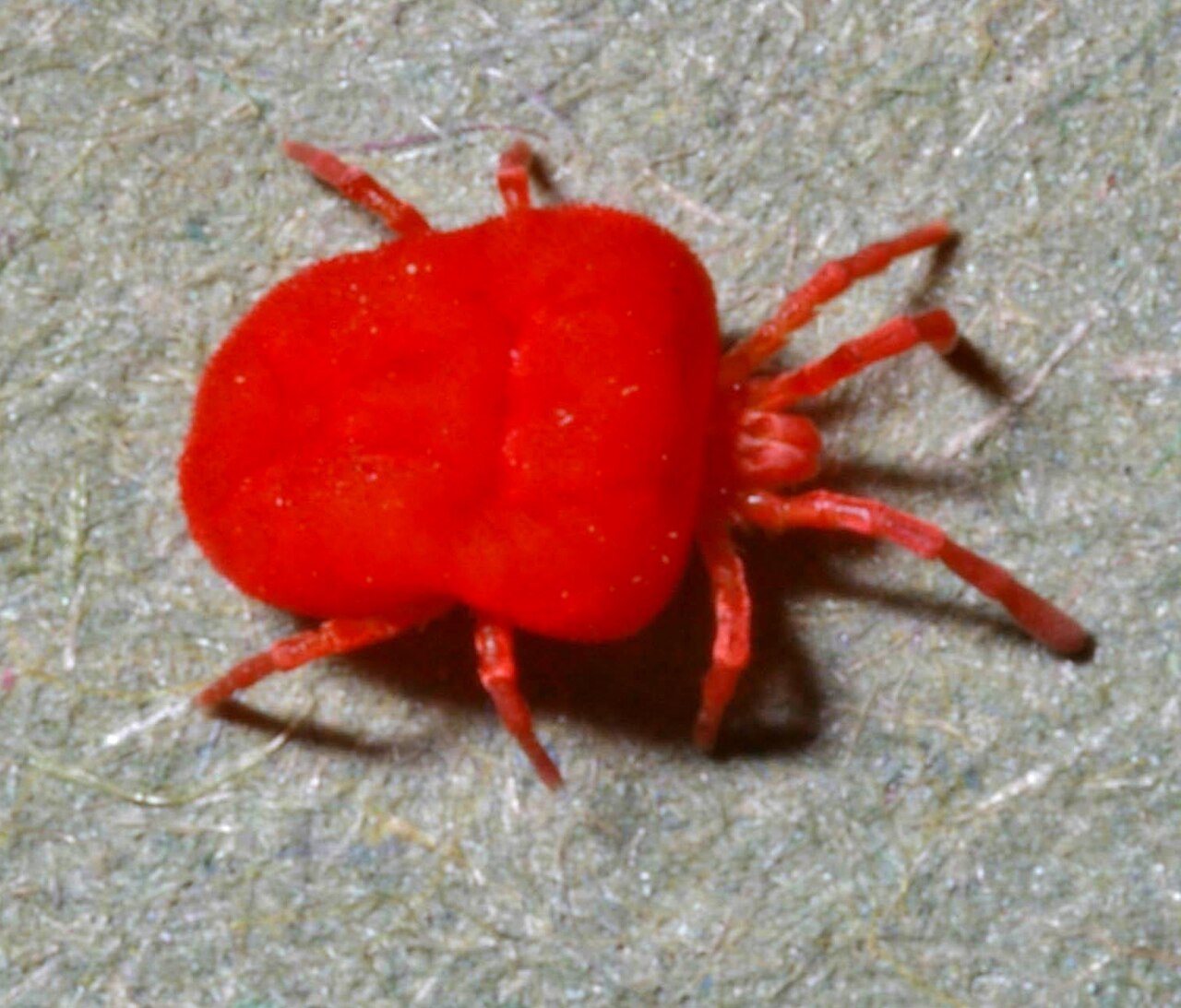
Chigger Bites vs Flea Bites: How to Tell Them Apart
Chigger bites and flea bites are told apart most reliably by location on the body. Chigger bites cluster where clothing presses against skin, meaning the sock line, waistband, bra line, and behind the knees, and they appear as intensely itchy red welts often with a firm bump in the center. Flea bites concentrate on the lower legs, ankles, and feet, show up as small red dots each surrounded by a pale halo, and frequently appear in lines or groups of three.
The second reliable difference is timing. Flea bites itch immediately, because the flea injects saliva while feeding and you often feel the bite happen. Chigger bites are silent at first and the itching begins 3 to 6 hours later, peaks around day 2, and can persist for one to two weeks. This guide covers what each bite looks like, where each pest lives, how the two compare with bed bug and mosquito bites, how to treat them, and which myth about chiggers burrowing into skin needs retiring.
| Feature | Chigger Bites | Flea Bites |
|---|---|---|
| Location | Sock line, waistband, bra line, behind knees, groin | Ankles, lower legs, feet |
| Appearance | Red welts with a firm central bump | Small red dots with a pale halo |
| Pattern | Tight clusters along clothing lines | Lines or groups of three |
| Itch onset | 3 to 6 hours after exposure | Immediate |
| Duration | 1 to 2 weeks | A few days to a week |
| Where you got it | Tall grass, brush, woodland edges | Indoors, from pets or carpeting |
Chigger Bites vs Flea Bites: The Fast Answer
Start with where you were. Chiggers are the larval stage of trombiculid mites, and they live outdoors in tall grass, brushy field edges, berry patches, and damp woodland. If your bites appeared after yard work, hiking, or an afternoon sitting in the grass, chiggers are the likely answer. Fleas, by contrast, are an indoor problem that arrives with a pet or an infested piece of furniture, and bites from them usually mean the insects are already living in your carpet, bedding, or upholstery.
Then look at the map on your skin. Chiggers climb until clothing stops them, which is why the bites form dense bands at the sock line, the waistband, and the bra strap. It looks deliberate, and in a sense it is, since the mites are searching for thin skin and a place where they will not be brushed off. Fleas jump from the floor and feed low, giving the ankle-and-shin pattern that most people recognize immediately.
Finally check the calendar. Flea infestations produce new bites continuously as long as the population survives in the home, so bites keep appearing day after day. Chigger bites all appear from a single exposure and then stop, because the mites drop off within hours and do not live on people. If bites keep coming with no new outdoor trips, you have fleas.
What Chigger Bites Look Like
A chigger bite is a raised red welt, typically 0.1 to 0.2 in across, often with a small hard bump or blister at the center. The color runs bright red to pink, the skin around it may swell, and the itch is disproportionate to the size of the mark. Many people describe chigger itching as the most intense of any common bite, worse than mosquitoes and comparable to poison ivy.
The clustering is the diagnostic feature. Chiggers move upward from grass onto skin and stop where clothing compresses against the body, so a single afternoon outdoors can produce twenty or thirty bites in a tight band around the ankles and another band at the waist. Areas with thin skin, including the groin, the backs of the knees, and the armpits, take the heaviest hits.
Timing tells the rest of the story. Nothing appears at the moment of the bite, and the welts and itching develop 3 to 6 hours later, usually reaching peak intensity on day 2. Bites commonly stay visible and itchy for one to two weeks, longer than most insect bites, which is why people often assume they have been bitten repeatedly when the exposure was a single event.
What Flea Bites Look Like
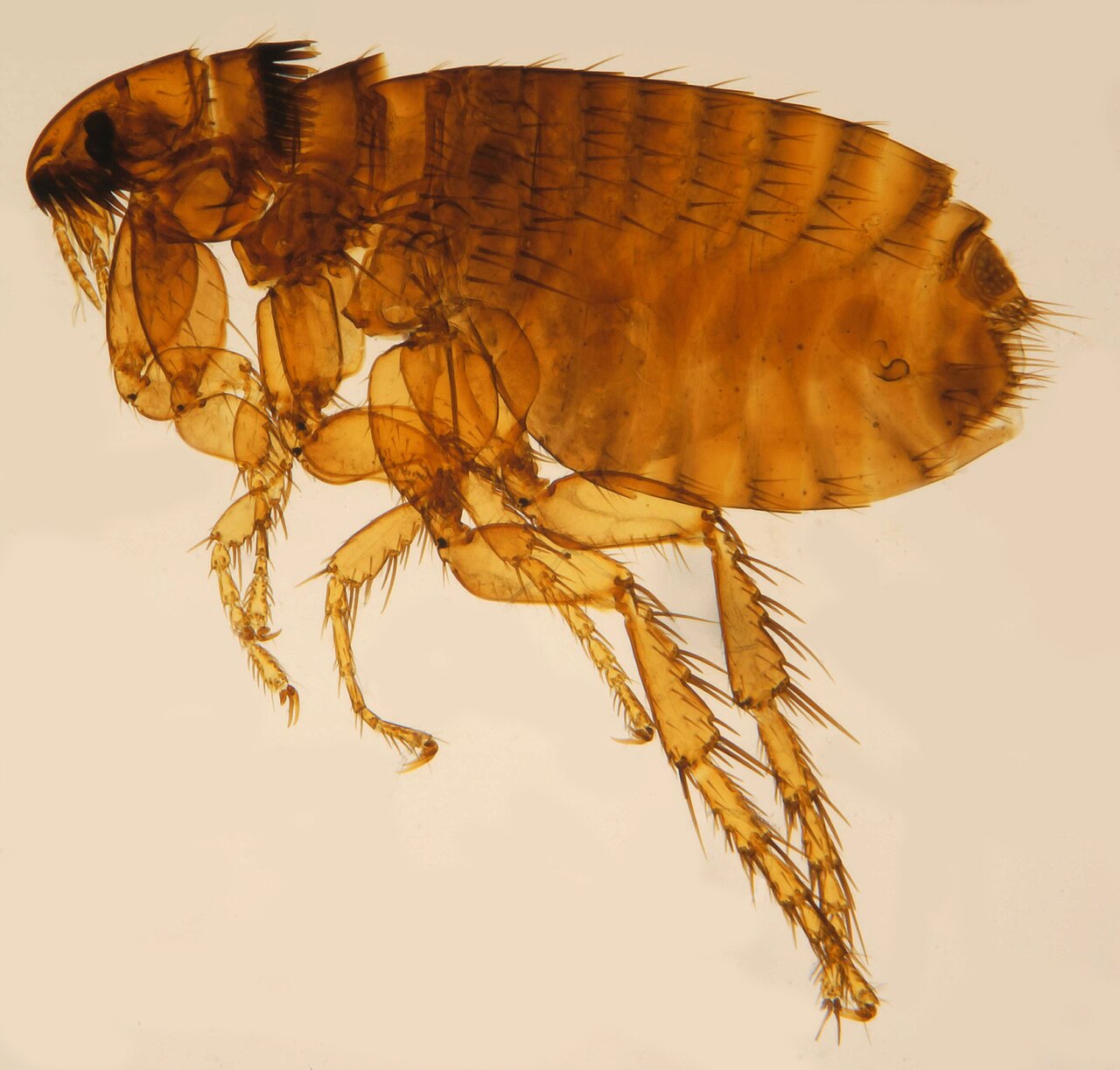
Flea bites are smaller and neater. Each one is a red dot roughly 0.1 in across, usually with a single puncture point in the middle and a pale ring of blanched skin around it. Unlike a chigger welt, the flea bite does not typically develop a hard central bump, and the swelling is modest unless the person has an allergic sensitivity.
The arrangement is the giveaway. Fleas often feed several times in quick succession as they move across skin, producing bites in a straight line or a tight triangle of three, a pattern sometimes called breakfast, lunch, and dinner. That said, the same description is applied to bed bug bites, so the pattern alone does not settle the diagnosis and needs to be read alongside location and context.
Position is more useful. Fleas live in carpet, bedding, and pet resting spots, and they jump vertically to reach a host, so bites concentrate below the knee. Waking up with bites around your ankles after walking barefoot through a room, especially with a cat or dog in the house, points strongly at fleas. Recognizing the insects themselves matters too, and readers working through a general bite-identification problem often start with our guide to bed bug bites for comparison.
Where on the Body Each Bite Appears
Chiggers exploit clothing boundaries because they cannot bite through fabric and cannot cling well to skin that moves freely. A chigger picked up on a trouser leg climbs upward until it hits the sock elastic, the waistband, or the underwear line, and it feeds there. That produces the encircling bands that make chigger bites so recognizable once you know the pattern, along with concentrations in the groin and behind the knees.
Fleas work from ground level and have no interest in climbing. Their bites map onto the ankles, shins, and the tops of the feet, occasionally reaching the calves. Bites on the arms, torso, or face are unusual for fleas unless a person has been lying on infested carpet or sleeping with a pet on the bed, in which case the pattern shifts to whatever skin was in contact.
There is one useful overlap check. Bites clustered around the waist and armpits with nothing on the ankles are almost certainly chiggers. Bites clustered on the ankles with nothing above the knee are almost certainly fleas. A distribution scattered across the arms and upper body suggests neither, and points toward mosquitoes, bed bugs, or a household mite problem instead.
Do Chiggers Burrow Under Your Skin?
They do not, and this myth drives a great deal of unnecessary and occasionally harmful home treatment. A chigger larva attaches to the skin surface, usually at a hair follicle or pore, and injects digestive enzymes that break down skin cells. It then feeds on the liquefied tissue through a hardened feeding tube called a stylostome, which is what forms the firm central bump people mistake for a buried mite.
The larva stays attached for a few days at most if undisturbed, and in practice showering or normal clothing friction dislodges most of them within hours. The intense itching that follows is a reaction to the stylostome and to the enzymes, and it continues long after the mite is gone. That is why the itch persists for a week or more even though nothing remains in the skin.
This is also why the classic folk remedy of painting bites with clear nail polish accomplishes nothing. There is no mite to suffocate, and covering the skin with lacquer traps irritants and can worsen the local reaction. The correct first step is a hot soapy shower as soon as you come indoors, which removes any larvae still attached before most of them get a chance to feed. Similar myth-versus-mechanism confusion surrounds other household biters, as our guide to carpet beetle bites explains for a pest whose bites are not really bites at all.
How to Treat Chigger Bites and Flea Bites
Treatment is broadly the same for both, because in each case you are managing an allergic reaction to injected saliva or enzymes rather than an infection. Wash the affected area with soap and warm water, then apply a cold compress for 10 to 15 minutes to reduce swelling and dull the itch. For chiggers specifically, that first shower matters most when it happens immediately after coming inside.
For itch control, over-the-counter hydrocortisone cream at 1 percent and calamine lotion are the standard recommendations, and an oral antihistamine helps when the itching interferes with sleep. Cleveland Clinic and other medical references advise against scratching, since broken skin invites secondary bacterial infection, which is the most common complication of both bite types by a wide margin.
Seek medical care if you develop signs of infection such as spreading redness, warmth, pus, or fever, if bites are extremely widespread, or if you experience symptoms beyond the skin including difficulty breathing or facial swelling. In parts of Asia and the Pacific, some chigger species transmit scrub typhus, so a fever with a dark scab at a bite site after travel in those regions needs prompt evaluation. North American chiggers do not transmit disease to humans.
Chigger Bites vs Bed Bug Bites vs Mosquito Bites
Bed bug bites are the closest look-alike to flea bites, appearing as red itchy welts often in lines of three, but they concentrate on skin exposed while sleeping, meaning the arms, shoulders, neck, and face. Fleas bite the ankles, bed bugs bite the upper body, and that single distinction resolves most cases. Bed bugs also leave small dark fecal spots on sheets and mattress seams, which fleas do not.
Mosquito bites are larger, softer, and paler than either, forming raised puffy wheals up to 0.5 in across that fade within a day or two. They are scattered rather than clustered, they favor exposed skin rather than covered skin, and the itch, while annoying, is milder and much shorter lived than a chigger reaction.
The practical decision tree runs like this. Tight bands at the sock line and waist after being outdoors means chiggers. Ankle bites with a pet in the house means fleas. Upper body bites appearing overnight in bed means bed bugs. Large scattered soft welts that fade quickly means mosquitoes. Bites that come with a stinging pain rather than an itch usually point at something else entirely, which our guide to earwig bites addresses for one commonly blamed insect.
How to Prevent Chiggers and Fleas
Chigger prevention is a clothing and repellent problem. Wear long pants tucked into socks and long sleeves in tall grass and brush, choose tightly woven fabrics, and treat clothing and boots with permethrin, which stays effective through multiple washes. DEET applied to skin, particularly at the ankles, waistband, and other entry points, is the standard second layer. Shower with soap within two hours of coming inside and launder those clothes in hot water.
Yard management reduces exposure at the source. Chiggers thrive in tall grass, dense ground cover, and shaded humid brush, so regular mowing, clearing leaf litter, trimming back overgrown edges, and keeping paths open cuts local populations substantially. They are most active from late spring through early autumn when soil temperatures stay above roughly 60 F.
Flea prevention runs through pets and housekeeping. Keep dogs and cats on a veterinarian-recommended year-round preventive, vacuum carpets, rugs, and upholstery thoroughly and often, and wash pet bedding in hot water weekly. Because flea eggs and larvae live in carpet fibers rather than on the animal, treating the pet alone rarely ends an infestation, and heavy cases usually need coordinated treatment of the pet, the home, and sometimes the yard. Damp neglected corners breed more than one kind of nuisance, as our guides to getting rid of gnats and to the grass spider both illustrate.
Frequently Asked Questions
How can I tell chigger bites from flea bites?
Location is the most reliable clue. Chigger bites cluster in bands where clothing presses against skin, especially the sock line, waistband, and behind the knees, while flea bites concentrate on the ankles and lower legs. Chigger itching starts 3 to 6 hours after exposure, whereas flea bites itch immediately.
How long do chigger bites last?
Typically one to two weeks. The itching begins 3 to 6 hours after exposure, peaks around day 2, and then fades gradually. The persistence is a reaction to the stylostome feeding tube and injected enzymes, not evidence that mites are still present.
Do chiggers burrow under your skin?
No. Chigger larvae attach at the skin surface, inject enzymes that liquefy skin cells, and feed through a hardened tube called a stylostome. That tube is the hard bump at the center of the bite. Because nothing is buried, covering bites with nail polish does not help and may irritate the skin further.
What is the best treatment for chigger and flea bites?
Wash with soap and warm water, apply a cold compress, then use 1 percent hydrocortisone cream or calamine lotion for the itch. An oral antihistamine helps with sleep. Avoid scratching, since broken skin leads to secondary bacterial infection, the most common complication of both bite types.
Can chigger bites spread from person to person?
No. Chiggers do not live on people, do not lay eggs in skin, and drop off within hours or days. The bites are a localized allergic reaction and are not contagious. Fleas, by contrast, can move between hosts and will continue biting everyone in a household until the infestation is eliminated.
Why do I keep getting new bites?
Continuing new bites with no new outdoor exposure points to fleas or bed bugs rather than chiggers, since chigger bites all stem from a single exposure and then stop appearing. Check pets for fleas, inspect mattress seams for dark fecal spots that indicate bed bugs, and treat the home rather than just the skin.
Do chiggers or fleas transmit disease?
North American chiggers do not transmit disease to humans, though some species in Asia and the Pacific carry scrub typhus. Fleas can transmit bacterial infections including murine typhus and, historically, plague, and they spread tapeworms to pets. Both cases are uncommon in the United States, and secondary skin infection from scratching remains the far more likely problem.