Baby Box Turtle: Growth, Care, and the 50-Year Commitment
A baby box turtle hatches at only about an inch long, roughly the size of a quarter, with a notably flatter, less domed shell than the more rounded, higher-domed shell adults eventually develop, and genuinely receives no parental care whatsoever from the moment of hatching, since the mother box turtle buries her eggs and departs permanently, leaving hatchlings to dig themselves out of the nest and fend entirely for themselves from their very first moments of independent life.
Box turtles are also genuinely remarkable for their potential longevity, with some individuals documented living 50 years or considerably longer in the wild, meaning a baby box turtle encountered today could realistically still be alive and active decades into the future, a genuinely sobering timescale that makes understanding proper care, whether briefly assisting a wild hatchling or considering long-term captive keeping, a meaningfully weighty responsibility rather than a casual short-term commitment. This guide covers box turtle hatching and early development, the extended slow-growth timeline toward maturity, what makes this species’ shell and habitat needs distinctive, and practical guidance for anyone encountering or considering keeping a baby box turtle.
| Fact | Baby Box Turtle |
|---|---|
| Hatchling size | About 1 inch, quarter-sized |
| Incubation period | Approximately 70 to 90 days |
| Parental care | None; fully independent from hatching |
| Sexual maturity | Often 7 to 10 years |
| Potential lifespan | 50+ years, sometimes considerably longer |
| Shell hinge develops | Gradually over the first several years |
Hatching: Fully Independent From Day One
Box turtle eggs incubate underground for approximately 70 to 90 days, with incubation temperature meaningfully affecting both development timeline and, in some documented cases, hatchling sex, before hatchlings use a specialized temporary egg tooth to break free of the leathery shell and dig their way up through the soil to the surface entirely on their own, since the mother has long since departed and provides no assistance whatsoever with hatching or emergence.
This complete absence of parental care means hatchling box turtles must immediately begin fending for themselves, finding appropriate shelter, locating food, and avoiding the numerous predators that pose genuine threats to a creature only about an inch long, a vulnerability shared broadly among young reptiles including the equally vulnerable insect young facing their own steep early survival odds, making the first days and weeks following hatching an especially perilous period during which a considerable proportion of any given clutch does not survive to reach more established juvenile size.
Newly hatched box turtles typically emerge in late summer or early fall in most of their range, though timing can vary somewhat by region and specific weather conditions during a given season, and hatchlings generally seek out sheltered, moist locations like leaf litter or loose soil almost immediately upon emergence, prioritizing finding adequate cover over any immediate feeding needs during these critical first vulnerable days.
What Baby Box Turtles Look Like
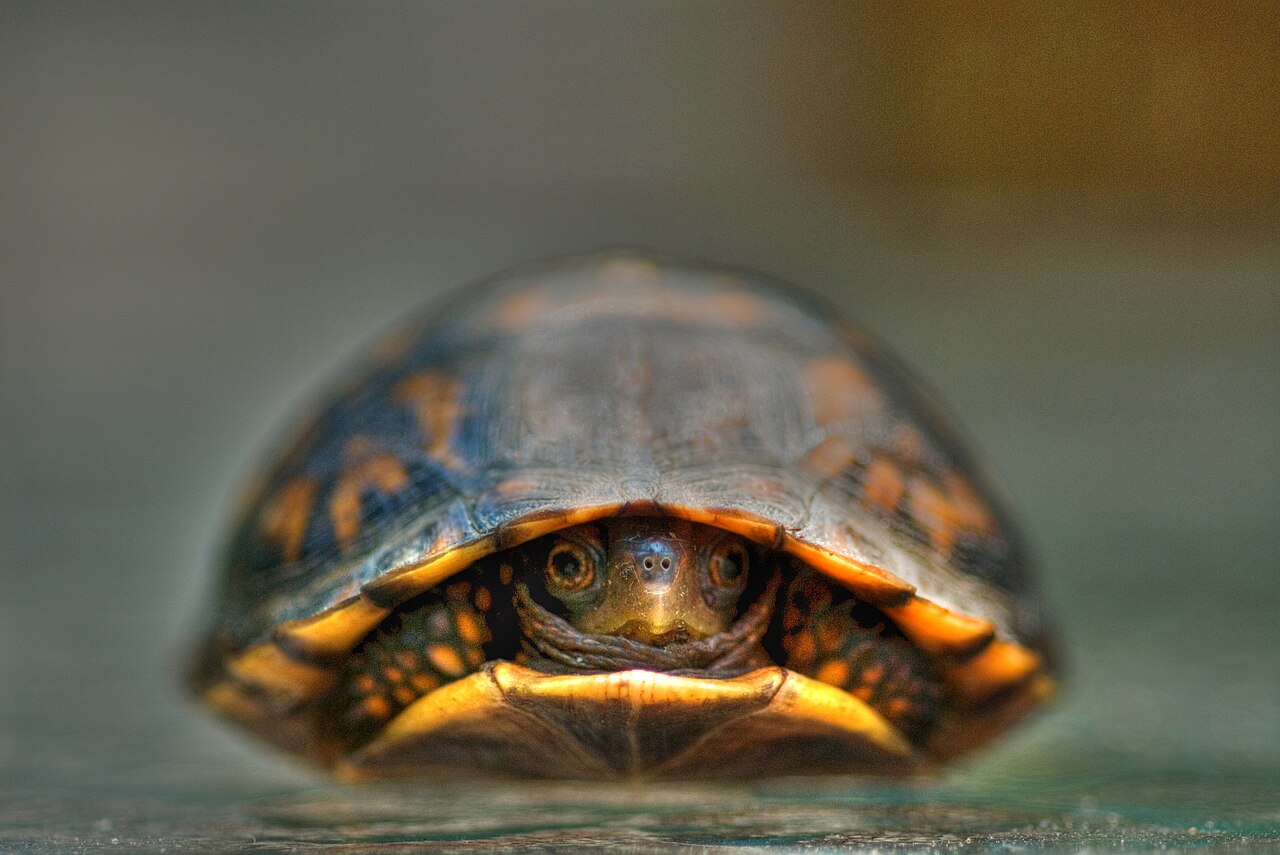
Hatchling box turtles display a notably flatter, less domed shell shape compared to the more rounded, higher-domed shell adults eventually develop, and young box turtles also lack the fully functional plastron hinge that gives adult box turtles their name and defining defensive capability, meaning hatchlings cannot yet fully close their shell for protection the way mature adults famously can.
This plastron hinge, the flexible joint allowing adult box turtles to draw in their head, legs, and tail before closing the bottom shell portion completely, develops gradually over the turtle’s first several years rather than being present or functional from hatching, meaning young box turtles rely more heavily on hiding and camouflage for protection during this early developmental period rather than the complete shell-closure defense adults eventually possess.
Shell coloration and pattern in hatchlings often appears somewhat more muted or less distinctly marked than the bolder, more variable patterns adult box turtles typically display, with the full adult coloration and pattern generally becoming more pronounced and individually distinctive as the turtle grows and matures over its first several years of life following hatching.
The Remarkably Slow Growth Timeline
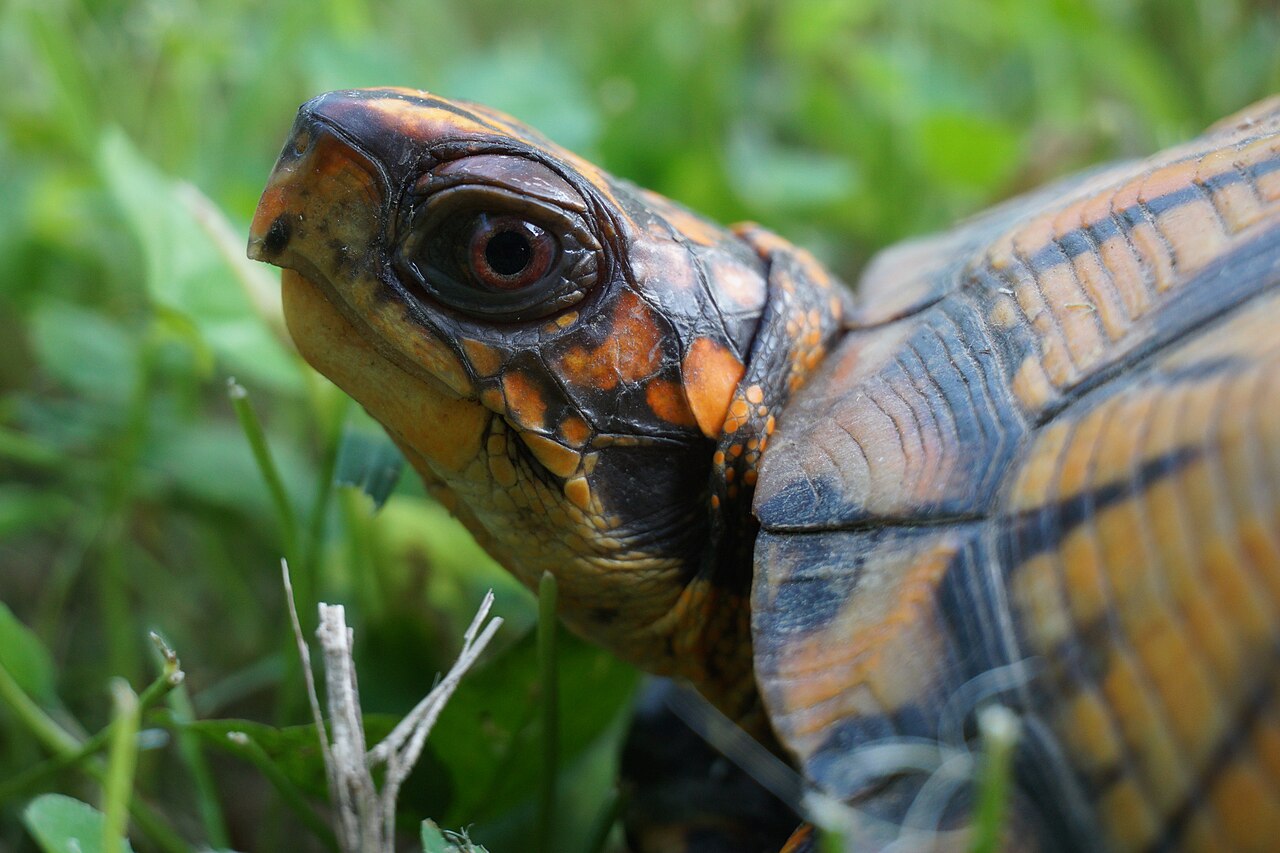
Box turtles grow at a genuinely slow pace compared to many other reptile species, with young turtles typically not reaching sexual maturity until somewhere around 7 to 10 years of age, a considerably extended juvenile period reflecting the species’ overall slow metabolism and long-lived life history strategy, where individual survival and eventual longevity matter more to overall reproductive success than rapid early growth or early reproductive capability.
This slow growth means a box turtle you might encounter as a small juvenile could realistically remain in that juvenile size and development stage for several years before showing the more mature shell shape, full plastron hinge function, and adult coloration that define fully grown individuals, making patience a genuinely necessary quality for anyone specifically interested in observing or raising box turtles from a young age.
Wild box turtles that survive their vulnerable early years to reach maturity can live remarkably long lives, with well-documented individuals reaching 50 years or more, and some anecdotal reports suggesting considerably longer lifespans are possible under favorable conditions, making the box turtle among the longest-lived reptile species commonly encountered in North American backyards and natural areas.
Habitat and Natural History
Box turtles are primarily terrestrial, unlike many other turtle species that spend the majority of their time in water, favoring woodland edges, meadows, and areas with good leaf litter cover and access to both sun and shade, a habitat preference that shapes appropriate care considerations for anyone keeping this species differently than the more aquatic-focused setups many other pet turtle species require.
This terrestrial lifestyle means box turtles maintain relatively small home ranges compared to many other reptile species, often spending their entire lives within a surprisingly limited area if suitable habitat remains available, a site fidelity that makes habitat destruction and fragmentation a particularly significant conservation concern for this species, since displaced box turtles often struggle to successfully relocate and establish themselves in unfamiliar territory.
Box turtles are omnivorous, consuming a genuinely varied diet including insects, worms, slugs, berries, mushrooms, and other plant material, similar in general principle to the varied reptile diets covered across our broader reptile care guides, with young box turtles specifically tending toward a somewhat more carnivorous diet emphasizing protein-rich insects and invertebrates before gradually incorporating more plant matter as they mature, a dietary shift connected to the different nutritional demands of rapid early growth versus the more plant-heavy maintenance diet mature adults typically favor.
Found a Baby Box Turtle? What to Do
Encountering a baby box turtle in the wild generally warrants simply leaving it undisturbed in its natural habitat rather than removing it, since box turtles maintain the small, stable home ranges covered in the previous section, and removing a turtle from its established territory, even with good intentions, can genuinely disrupt its ability to successfully survive and reproduce within the specific area it has already adapted to.
If a box turtle is found crossing a road specifically, the appropriate action is helping it safely across in the direction it was already traveling rather than relocating it elsewhere, since moving a turtle to a seemingly more convenient or safer-looking location can actually harm its chances of survival by displacing it from the specific home range it already knows and depends on for finding food, shelter, and mates.
Many box turtle species and populations face genuine conservation concerns due to habitat loss and, in some regions, collection for the pet trade, making it worth checking local regulations before considering keeping any wild-found box turtle as a pet, since several states specifically restrict or prohibit collecting wild box turtles given these documented population pressures affecting many local populations across the species’ range.
Box Turtles as Pets: A Genuine Long-Term Commitment
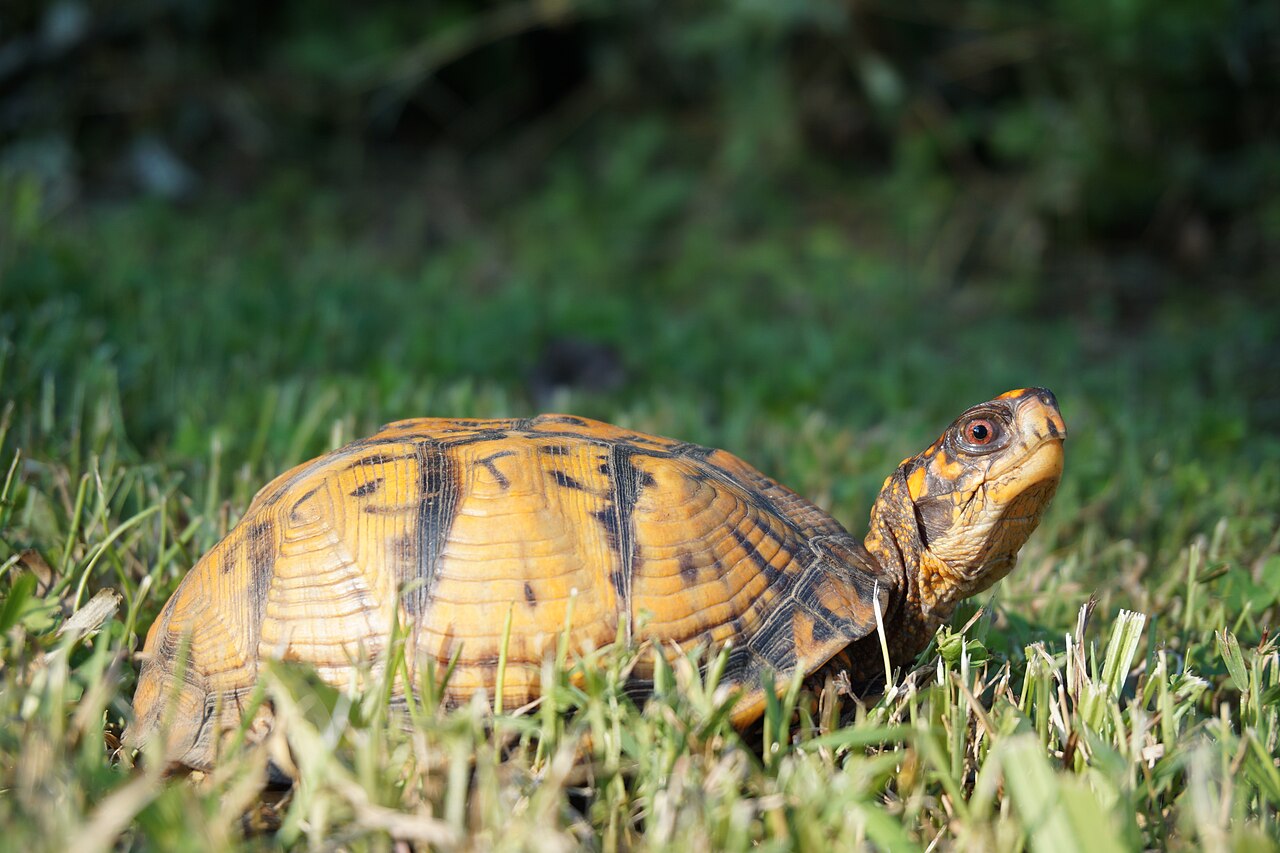
Given their potential 50-plus-year lifespan, keeping a box turtle, whether a captive-bred hatchling or a wild-found individual where legally permitted, represents a genuinely significant long-term commitment considerably exceeding the typical lifespan consideration most other common pets require, making thoughtful consideration of this extended timeline a genuinely essential first step before acquiring a baby box turtle specifically for long-term keeping.
Appropriate captive care for young box turtles includes a spacious enclosure with both dry and slightly moist areas reflecting their natural terrestrial habitat preferences, appropriate temperature gradients and UVB lighting supporting proper shell and bone development, and a varied diet reflecting the more protein-heavy nutritional needs young, actively growing turtles specifically require compared to the more plant-focused adult diet.
Given the genuinely extended timeline toward maturity covered earlier in this guide, prospective keepers should also research and connect with the broader box turtle keeping community and available veterinary resources specifically experienced with this species, since box turtle husbandry involves some genuinely specific considerations that differ meaningfully from the more aquatic-focused care many other commonly kept pet turtle species require.
Box Turtles Among Other Slow-Maturing Species
The box turtle’s remarkably extended path to maturity places it among a genuinely notable group of slow-developing reptiles, sharing this deliberate developmental pace with species like the Komodo dragon, though for entirely different underlying reasons, the Komodo dragon’s extended juvenile period reflects predator avoidance through arboreal living, while the box turtle’s slow timeline reflects its overall low-metabolism, long-lived life history strategy prioritizing eventual longevity over rapid early growth.
This contrasts meaningfully with the considerably faster developmental timelines seen in species like goldfish, which reach reproductive maturity within a single year under good conditions, illustrating just how dramatically different reproductive strategies can be even among egg-laying animals broadly, with the box turtle representing one of the more extreme slow-and-steady examples found among commonly encountered backyard wildlife.
For anyone specifically interested in the broader diversity of young animal development timelines and care considerations, exploring guides covering species with genuinely different growth strategies helps build a fuller appreciation for just how varied reproductive and developmental approaches are across the animal kingdom, with the box turtle’s own patient, decades-long path to full maturity standing as one of the more genuinely remarkable examples within that broader diversity.
Box Turtles vs Other Common Turtle Species
Compared to the more aquatic baby snapping turtle, box turtles differ dramatically in both habitat preference and temperament, with box turtles favoring terrestrial woodland habitat and generally showing a considerably more docile disposition than the notably defensive, powerful-jawed snapping turtle, making these two commonly encountered North American turtle species genuinely distinct in almost every practical care and encounter consideration despite both being native turtles many people might encounter in similar general regions.
The box turtle’s defining plastron hinge, allowing complete shell closure once fully developed, also sets this species apart from many other North American turtle species that lack this particular defensive adaptation, giving fully mature box turtles a genuinely distinctive protective capability that contributes significantly to both their common name and their relatively good defensive success against many potential predators once they reach adult size and hinge functionality.
Understanding these species-level differences helps set appropriate expectations for anyone specifically encountering or considering keeping either species, since the terrestrial, omnivorous, long-lived box turtle presents a genuinely different set of care requirements, habitat needs, and general temperament than the more aquatic, considerably more defensive snapping turtle, despite both being commonly encountered native turtle species across similar general regions of the United States.
Related reading: Baby Turtle.
Related reading: Baby Sea Turtle.
Related reading: Box Turtle Guide.
Related reading: Florida Box Turtle.
Related reading: Ornate Box Turtle.
Related reading: Box Turtle Habitat.
Related reading: Three-Toed Box Turtle.
Related reading: Types of Box Turtles.
Related reading: Box Turtle Lifespan.
Frequently Asked Questions
How big is a baby box turtle when it hatches?
About 1 inch long, roughly the size of a quarter, with a notably flatter shell shape than the more domed shell adults eventually develop over several years of growth.
Do baby box turtles need their mother after hatching?
No, box turtles receive absolutely no parental care; the mother departs after laying and burying eggs, leaving hatchlings to dig themselves out and fend entirely for themselves from their very first moments.
How long does it take a box turtle to grow up?
Box turtles typically do not reach sexual maturity until 7 to 10 years of age, a considerably extended timeline reflecting their overall slow growth and long-lived life history strategy.
How long do box turtles live?
Wild box turtles commonly live 50 years or more, with some documented individuals living considerably longer, making them among the longest-lived reptile species commonly encountered in North American habitats.
Should I move a box turtle I find crossing the road?
Yes, but only in the direction it was already traveling, never relocating it to a different area entirely, since box turtles maintain small home ranges and depend on returning to their established territory.
Can I keep a wild box turtle I found as a pet?
Check local regulations first, since many states restrict or prohibit collecting wild box turtles given genuine conservation concerns, and consider that keeping this species represents a commitment potentially spanning 50 years or more.
What do baby box turtles eat?
A varied omnivorous diet, though young box turtles specifically tend toward more protein-rich insects and invertebrates before gradually incorporating more plant material like berries and mushrooms as they mature into adulthood.