Deer Poop vs Rabbit Poop: Size, Shape, and Garden Damage
Deer poop vs rabbit poop comes down primarily to size, shape, and deposit pattern once you know what to check: deer pellets typically measure 1/2 to 3/4 inch, often oval to slightly elongated with one end showing a small dimple and the other a slight point, deposited in substantial clumps of 50 or more pellets at once, while rabbit pellets run considerably smaller, roughly 1/4 to 1/2 inch, forming true, uniform spheres scattered more loosely across a feeding area rather than concentrated in the large single-deposit piles deer characteristically leave.
Correctly distinguishing these two common backyard and garden droppings matters practically for gardeners specifically trying to identify which browsing animal is responsible for plant damage, since deer and rabbits favor different plants and require different management and fencing approaches, making accurate droppings identification a genuinely useful first step toward implementing effective, appropriately targeted garden protection. This guide covers the full size and shape comparison between these two droppings, deposit pattern differences, what each reveals about garden damage responsibility, and practical management approaches for each animal specifically.
| Feature | Deer Poop | Rabbit Poop |
|---|---|---|
| Size | 1/2 to 3/4 inch | 1/4 to 1/2 inch |
| Shape | Oval, one dimpled end, one pointed end | True spheres, uniform |
| Deposit pattern | Large clumps, 50+ at once | Scattered, looser distribution |
| Texture | Fibrous, plant matter | Fibrous, plant matter |
| Damage height | Above 2 feet, ragged tears | Below 18 inches, clean 45-degree cuts |
Size: The Fastest Initial Check
Size provides a genuinely useful starting point for distinguishing these two droppings, with deer pellets typically measuring 1/2 to 3/4 inch in length, noticeably larger than rabbit pellets, which generally run only 1/4 to 1/2 inch, a size difference substantial enough that confusing the two based on length alone is genuinely uncommon once you have a clear reference point for comparison between the two size ranges.
This size difference directly reflects the animals themselves, since deer are considerably larger mammals than rabbits, and their correspondingly larger digestive systems produce proportionally larger waste regardless of the specific plant material each animal happens to be consuming at a given time, making overall animal size a genuinely reliable predictor of the relative dropping size each species characteristically produces.
While some size overlap can occur, particularly between a smaller or younger deer’s droppings and an unusually large rabbit’s pellets, this overlap remains genuinely uncommon in practice, making size a reliable first-pass identification tool before considering the more definitive shape and deposit pattern differences covered in the following sections for any borderline or uncertain cases.
Shape: Oval and Dimpled vs Perfectly Round
Beyond size, shape provides an equally valuable and often more definitive distinguishing feature: deer pellets typically show a distinctly oval to slightly elongated shape, often displaying a small dimple or indentation on one end and a subtle point on the other, giving deer droppings a genuinely asymmetric profile compared to the perfectly uniform spheres rabbit pellets characteristically form.
Rabbit pellets, by contrast, are true spheres, round and uniform from every angle without the asymmetric dimple-and-point profile deer droppings display, a shape difference that remains consistent regardless of individual pellet size variation within either species, making this shape check genuinely reliable even when comparing droppings that might fall into an overlapping size range between the two animals.
This shape distinction works particularly well as a confirming check alongside the size comparison covered above, since a dropping that is both notably larger and shows the characteristic oval, dimpled profile confirms deer with considerably more confidence than either feature would provide in isolation, while a smaller, perfectly spherical dropping similarly confirms rabbit identification when both features align consistently together.
Deposit Pattern: Large Piles vs Scattered Distribution
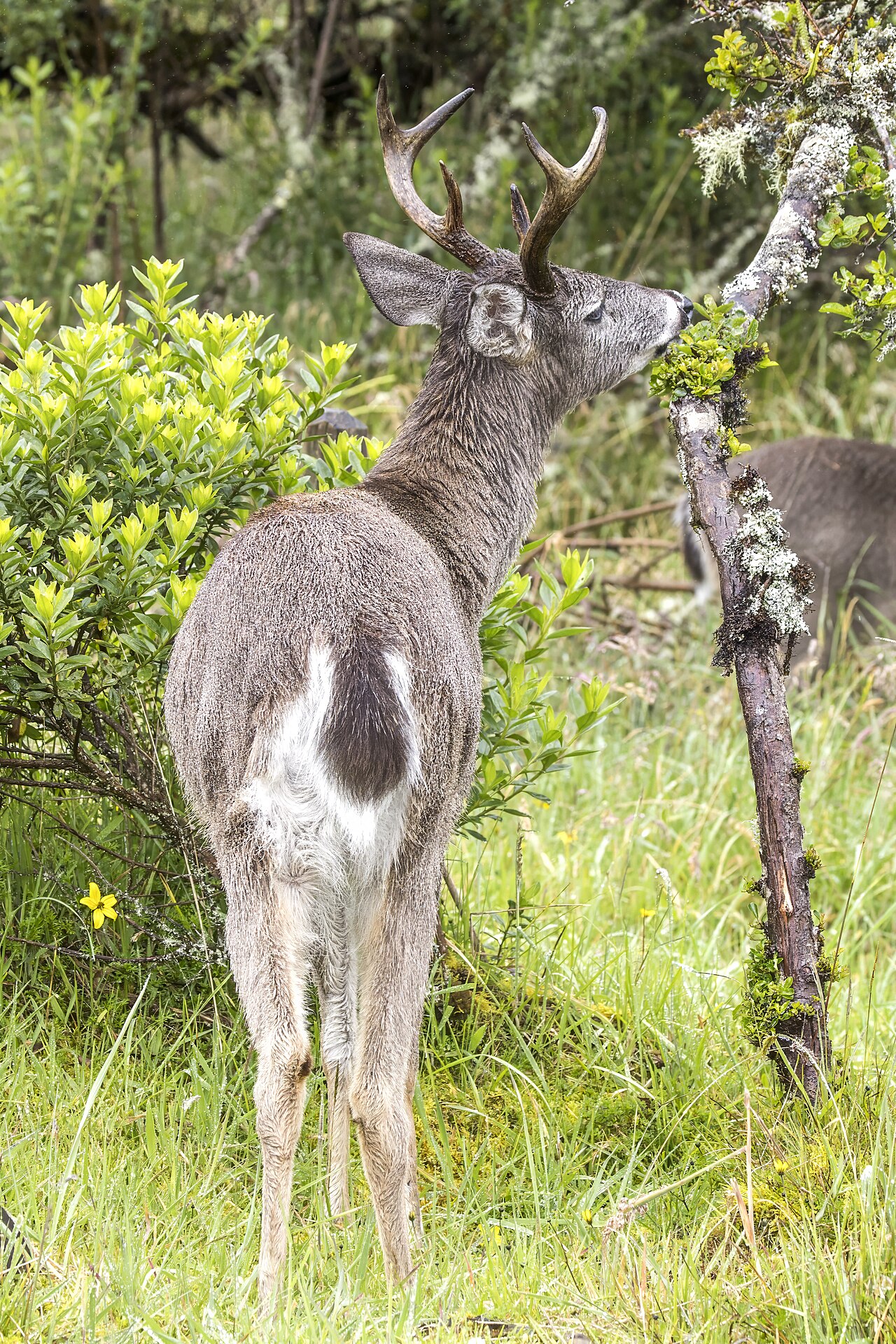
Deer characteristically release droppings in substantial concentrated clumps, often 50 to 100 or more pellets deposited essentially at once while the deer stands or walks slowly, creating a distinctly piled accumulation in a single location rather than the more loosely scattered distribution pattern rabbits typically produce as they move and feed across a broader area.
Rabbits, by contrast, tend to scatter pellets more loosely as they feed and move through their territory, with accumulation building gradually over repeated visits to favored rest spots or feeding areas rather than depositing in the large, single-event piles deer characteristically leave, a behavioral difference covered in additional detail in our rabbit poop guide and quite distinct from the wall-hugging travel patterns covered in our squirrel poop vs rat poop guide.
This deposit pattern difference itself often provides the fastest practical identification clue even before examining individual pellet characteristics closely, since finding a substantial, concentrated pile of pellets in one spot points strongly toward deer, while a looser scattering of smaller pellets across a wider feeding area points more toward rabbits, a pattern-based distinction that works well as a quick initial assessment before closer individual pellet examination.
What Garden Damage Reveals About the Culprit
Beyond droppings alone, the height and character of browsing damage on garden plants provides valuable supporting evidence for confirming which animal is actually responsible, since deer browse considerably higher, typically above 2 feet and sometimes considerably higher depending on the specific plant and deer size, leaving ragged, torn browse marks reflecting their lack of upper incisors, which forces deer to tear rather than cleanly cut vegetation.
Rabbits, by contrast, browse exclusively at lower heights, generally below 18 inches given their smaller size and ground-level feeding style, leaving distinctly clean, angled cuts at approximately 45 degrees, reflecting the sharp, precise cutting action rabbit incisors produce compared to the torn, ragged damage pattern deer characteristically leave on browsed vegetation.
Combining this height-and-cut-pattern damage evidence with the droppings identification covered throughout this guide provides considerably more confident confirmation of garden damage responsibility than either type of evidence alone, since finding droppings matching one animal’s profile alongside browse damage at the height and cut pattern consistent with that same animal essentially confirms the specific culprit without any remaining ambiguity.
Seasonal Patterns in Droppings and Damage
Deer droppings and associated garden damage often intensify during specific seasonal periods, particularly late fall through winter when natural food sources become scarcer, driving deer toward garden plants and ornamental vegetation they might otherwise avoid during more food-abundant seasons, a pattern connected to the broader seasonal behavior covered in our baby deer guide and the general wildlife encounter guidance homeowners often research alongside garden damage concerns, and covered in additional seasonal detail in our baby fox guide regarding the broader wildlife activity calendar throughout the year.
Rabbit activity and associated droppings tend to show less dramatic seasonal concentration than deer, since rabbits maintain relatively consistent activity and breeding patterns across much of the growing season, though garden damage specifically often peaks during spring and summer when tender new plant growth provides particularly attractive feeding opportunities for actively breeding rabbit populations.
Understanding these seasonal patterns helps gardeners anticipate when each specific type of damage and associated droppings accumulation is most likely to occur, allowing for more proactive, appropriately timed protective measures, whether temporary deer deterrents during fall and winter food scarcity or rabbit-specific fencing installed before the spring growing season when tender new growth attracts the most rabbit browsing activity.
What Wildlife Extension Resources Say About Identification
University agricultural extension programs, which regularly field homeowner and gardener questions about identifying garden damage culprits, consistently recommend combining droppings evidence with browse damage height and pattern rather than relying on any single indicator alone, an approach reflected throughout this guide’s emphasis on checking size, shape, deposit pattern, and browse height together for the most confident identification possible.
This combined-evidence approach reflects broader wildlife damage management principles taught through state extension services generally, which emphasize that correctly identifying the specific responsible species first, before selecting any management or exclusion approach, prevents the wasted time and expense of implementing protection measures designed for the wrong animal entirely, a principle directly relevant to the different fencing and management strategies deer versus rabbits actually require.
For gardeners specifically dealing with persistent or ambiguous damage where identification remains uncertain despite careful application of the droppings and damage-pattern checks covered throughout this guide, consulting local extension office resources or wildlife management professionals can provide additional region-specific guidance, particularly valuable given that relative deer and rabbit population pressures can vary considerably by specific local area and season.
Different Management Approaches for Each
Effective deer management typically requires taller fencing, generally 8 feet or higher given deer’s considerable jumping ability, or specific deer-resistant plant selections, since deer can browse from a height range that makes lower fencing largely ineffective at actually preventing access to garden plants deer are motivated to reach.
Rabbit management instead requires considerably shorter but more ground-tight fencing, typically 2 to 3 feet with the bottom buried or flush against the ground specifically to prevent rabbits from pushing underneath, since rabbits’ smaller size and ground-level feeding behavior means effective exclusion depends more on preventing ground-level access than achieving the greater fence height deer exclusion specifically requires.
Using an approach designed for the wrong animal, tall fencing without adequate ground-level sealing against rabbits, or shorter fencing that fails to account for deer’s jumping capability, generally proves considerably less effective than correctly targeted protection, reinforcing why the droppings and damage identification covered throughout this guide matters practically for choosing garden protection measures that will actually work against whichever specific animal is actually causing the observed damage.
Frequently Asked Questions
How can I tell deer poop from rabbit poop?
Check size and shape together: deer pellets run 1/2 to 3/4 inch with an oval, dimpled shape, while rabbit pellets measure only 1/4 to 1/2 inch and form perfectly uniform spheres.
Why does deer poop come in big piles while rabbit poop is scattered?
Deer release large numbers of pellets essentially at once while standing or walking slowly, creating concentrated piles, while rabbits scatter pellets more loosely as they move and feed across a broader area over time.
How can I tell if deer or rabbits are eating my garden plants?
Check damage height and cut pattern: deer browse above 2 feet with ragged, torn marks, while rabbits browse below 18 inches with clean, 45-degree angled cuts, combined with the droppings evidence covered throughout this guide.
What fence height stops deer versus rabbits?
Deer require considerably taller fencing, generally 8 feet or higher given their jumping ability, while rabbits require shorter but ground-tight fencing, typically 2 to 3 feet with the bottom buried or flush against the ground.
When is deer garden damage worst?
Typically late fall through winter, when natural food sources become scarcer and deer turn to garden plants and ornamental vegetation they might otherwise avoid during more food-abundant seasons.
When is rabbit garden damage worst?
Usually spring and summer, when tender new plant growth provides particularly attractive feeding opportunities for actively breeding rabbit populations during the growing season.
Are deer or rabbit droppings dangerous to touch?
Both carry relatively low health risk compared to some other wildlife droppings, though standard precautions like gloves and hand-washing remain sensible for any wildlife waste handling regardless of species.