Japanese Beetle vs Ladybug: How to Tell Pest From Ally
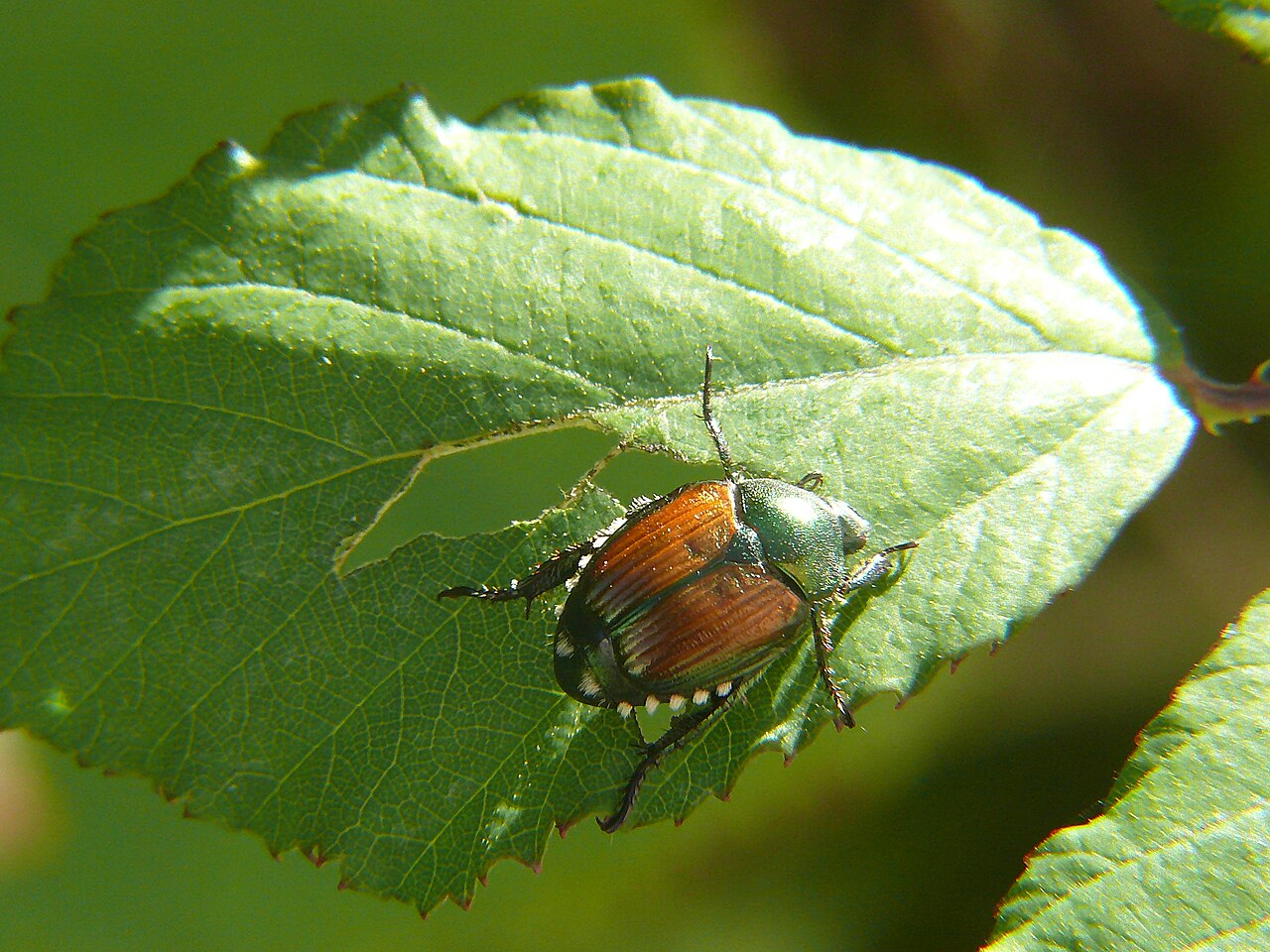
Japanese beetles and ladybugs share little beyond a superficially similar small, rounded beetle body plan, making them genuinely easy to distinguish once you know the specific features to check: Japanese beetles display a distinctive metallic copper-bronze back paired with a metallic green head and thorax, plus small tufts of white hair visible along each side of the abdomen, while true ladybugs show a much more rounded, domed body shape with a solid colored background, typically red or orange, marked with discrete black spots rather than the Japanese beetle’s metallic, two-toned coloring.
Correctly telling these two insects apart matters considerably beyond simple identification curiosity, since Japanese beetles represent a genuinely significant and destructive garden and agricultural pest capable of skeletonizing leaves across a remarkably wide range of plants, while true ladybugs remain valuable, beneficial predators actively controlling other garden pests like aphids, making confident identification directly relevant to deciding whether a given beetle sighting calls for active management or simply appreciative observation. This guide covers the full identification comparison between these two commonly confused insects, the genuine damage Japanese beetles cause, why ladybugs deserve protection rather than removal, and practical management approaches specifically for Japanese beetle problems.
| Feature | Japanese Beetle | Ladybug |
|---|---|---|
| Body shape | Oval, less domed | Rounded, distinctly domed |
| Color pattern | Metallic copper-bronze and green | Solid red/orange with black spots |
| Distinctive feature | White hair tufts along abdomen sides | Discrete round black spots |
| Diet | Plant leaves and flowers (pest) | Aphids and soft-bodied insects (beneficial) |
| Garden impact | Destructive, skeletonizes leaves | Beneficial pest control |
Color and Pattern: The Fastest Distinguishing Feature
Japanese beetles display a genuinely distinctive metallic coloring unlike anything true ladybugs show, with a coppery bronze back paired with a metallic green head and thorax, creating an iridescent, jewel-like quality quite different from the flat, solid coloring characteristic of true ladybugs, making this metallic quality alone often sufficient for confident identification even before checking any other specific features.
True ladybugs, by contrast, display a solid, non-metallic background color, most commonly red or orange, marked with discrete, well-defined round black spots arranged in a recognizable pattern, a fundamentally different visual quality than the Japanese beetle’s smooth metallic gradient between its copper-toned back and green head and thorax region.
This color and pattern difference remains genuinely reliable even accounting for the natural color variation both insects can show, since Japanese beetles maintain their characteristic metallic quality regardless of minor individual variation, while ladybugs, even in their less common yellow or orange color forms covered in our broader ladybug identification guides, retain the same fundamentally flat, spotted pattern rather than ever displaying the Japanese beetle’s distinctive metallic sheen.
Body Shape and the White Hair Tufts
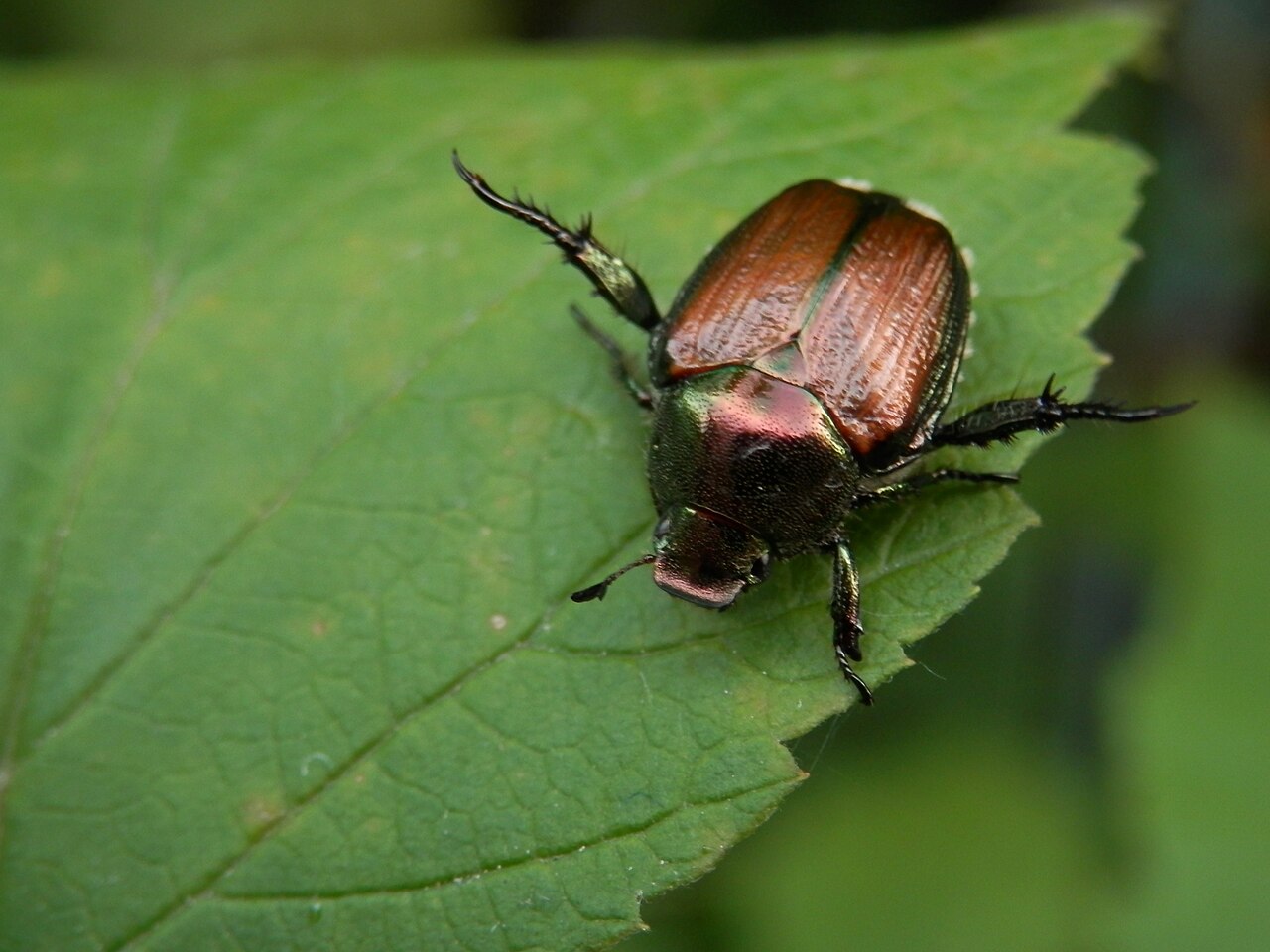
Beyond color, body shape offers a further reliable distinguishing feature, with Japanese beetles displaying a more oval, less dramatically domed body profile compared to the notably rounded, high-domed shell shape characteristic of true ladybugs, a structural difference that becomes apparent once you specifically compare the two side by side rather than relying on color alone for identification.
Japanese beetles also display small tufts of white hair visible along each side of the abdomen, just beneath the wing covers, a genuinely distinctive feature entirely absent in true ladybugs, which show no comparable hair tufts anywhere on their smooth, rounded shell surface, making this detail a useful confirming check particularly valuable when examining a beetle closely enough to spot this smaller, easily overlooked feature.
Size comparison offers a more modest supporting clue, since Japanese beetles and common ladybug species fall into a broadly similar general size range, making this feature considerably less useful on its own than the color, pattern, and hair-tuft differences covered throughout this guide, though the combination of all these features together resolves identification with genuine confidence in essentially every practical field encounter.
Why Japanese Beetles Are a Genuine Garden Threat
Japanese beetles represent one of the more genuinely destructive introduced garden and agricultural pests in the eastern and increasingly central United States, with adult beetles feeding voraciously on the leaves, flowers, and fruit of an unusually wide range of plants, often numbering over 300 different species, including roses, grapes, and many common ornamental and food garden plants, making this species a considerably more significant pest concern than most other similarly sized garden beetles.
Adult feeding damage characteristically skeletonizes leaves, consuming the softer tissue between leaf veins while leaving behind a distinctive lace-like network of remaining vein structure, a genuinely recognizable damage pattern that, combined with the beetle’s distinctive metallic coloring, generally confirms Japanese beetle presence even before directly observing the insects themselves feeding on affected plants.
Beyond adult feeding damage, Japanese beetle grubs, the larval stage living in soil, feed on grass roots, contributing to lawn damage that can appear as irregular brown patches, particularly in late summer and fall, meaning this species presents a genuine two-pronged pest concern, affecting both ornamental and garden plants through adult feeding and lawn health through root-feeding larvae, a considerably broader impact than the more narrowly focused feeding damage most other common garden beetles typically cause.
Why True Ladybugs Deserve Protection, Not Removal
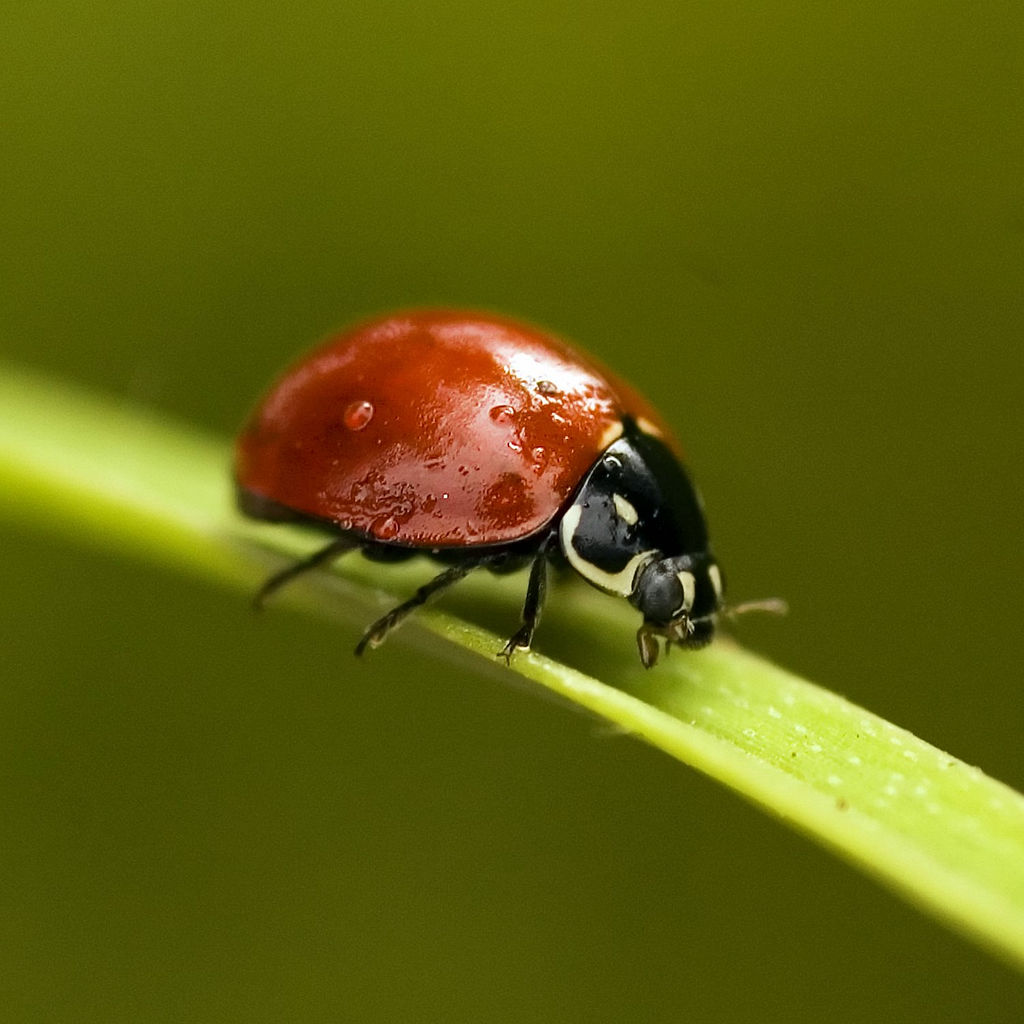
True ladybugs represent genuinely valuable, beneficial predators specifically because both adults and their larvae actively hunt and consume aphids and other soft-bodied garden pest insects in substantial quantities, making ladybug presence in a garden a positive indicator of natural pest control already actively underway rather than any cause for concern or removal, a beneficial role covered in complete detail in our what do ladybugs eat guide.
This fundamental difference in garden impact, genuine pest versus genuine beneficial predator, makes correct identification between these two superficially similar-looking beetles considerably more than an academic exercise, since mistakenly treating a beneficial ladybug as a pest requiring removal eliminates valuable natural aphid control, while failing to recognize and address a genuine Japanese beetle infestation allows continued, sometimes substantial plant damage to proceed unchecked.
Gardeners specifically hoping to encourage beneficial ladybug populations while managing genuine Japanese beetle problems benefit considerably from the confident identification skills covered throughout this guide, since broad-spectrum pest control approaches that fail to distinguish between these two insects risk eliminating the beneficial ladybugs alongside any actual Japanese beetle pest population, undermining rather than supporting overall garden pest management specifically.
Managing Japanese Beetle Infestations
Effective Japanese beetle management typically involves a combination of approaches, including hand-picking adult beetles from affected plants during the morning hours when beetles are less active and more easily collected, physical barriers like row covers during peak beetle activity periods, and, for more significant infestations, appropriately targeted insecticide treatments specifically timed to adult beetle activity periods.
Addressing the larval stage specifically through appropriate lawn treatments can help reduce future adult beetle populations, since managing grubs before they mature into the next generation of adult beetles addresses the problem at an earlier life stage, though this approach requires correct timing aligned with the grub’s specific developmental period rather than being effective at just any point during the year.
Our dedicated how to get rid of Japanese beetles guide covers these management approaches in complete practical detail, including specific timing recommendations and product considerations, providing gardeners dealing with a confirmed Japanese beetle problem, rather than a beneficial ladybug population mistakenly identified as a pest, with the targeted guidance needed to address this genuinely significant garden pest effectively.
What Extension Entomology Programs Recommend
University extension entomology programs, which regularly field public questions about distinguishing beneficial insects from garden pests, consistently emphasize checking multiple physical features together, color, body shape, and specific markings, rather than relying on any single trait or general size impression alone, an approach directly reflected throughout this guide’s combination of color, shape, and hair-tuft checks for confidently distinguishing these two commonly confused beetles.
This multi-feature identification approach reflects broader best practices in garden pest management generally, since misidentifying a beneficial insect as a pest, or failing to recognize a genuine pest problem, can lead to either unnecessarily removing valuable natural pest control or allowing genuine plant damage to continue unaddressed, making accurate identification a genuinely practical rather than purely academic gardening skill.
For gardeners specifically uncertain about a particular beetle sighting despite applying the identification checks covered throughout this guide, consulting local extension office resources or submitting a clear photograph for professional identification confirmation provides a genuinely reliable additional resource, particularly valuable given how consequential correctly distinguishing a garden ally from a genuine pest can be for overall garden health management.
Other Beetles Sometimes Confused With Both
Beyond the direct Japanese beetle versus ladybug comparison covered throughout this guide, several other beetle species occasionally enter this broader identification confusion, including various other scarab beetles sharing some general size and shape similarity with Japanese beetles, and other lady beetle lookalikes covered in our broader ladybug lookalike guide, which addresses several additional insects commonly mistaken for true ladybugs specifically.
The Asian lady beetle, itself a close relative of native ladybug species but distinguished by its own specific identifying features, adds a further layer of potential confusion specifically within the broader lady beetle family, covered in complete comparative detail in our Asian lady beetle vs ladybug guide, which addresses this closely related but genuinely distinct identification challenge separate from the Japanese beetle comparison this guide specifically focuses on.
Building genuine familiarity with the specific Japanese beetle features covered throughout this guide, metallic coloring, white hair tufts, and oval body shape, alongside the broader ladybug identification skills covered across our related guides, gives gardeners a genuinely comprehensive toolkit for confidently sorting between the range of similarly sized rounded beetles commonly encountered in typical garden settings.
Frequently Asked Questions
How can I tell a Japanese beetle from a ladybug?
Check for metallic coloring: Japanese beetles show a distinctive metallic copper-bronze back with a green head and thorax, plus small white hair tufts along the abdomen, while true ladybugs show a solid red or orange background with black spots and no metallic sheen.
Are Japanese beetles harmful to my garden?
Yes, significantly; Japanese beetles feed on over 300 plant species, characteristically skeletonizing leaves, while their grub stage damages lawn roots, making this a genuinely destructive pest requiring active management.
Should I remove ladybugs if I see them near Japanese beetle damage?
No, true ladybugs are beneficial predators that should be protected and encouraged, since they actively control aphids and other soft-bodied pests, unlike the plant-damaging Japanese beetle specifically.
What does Japanese beetle damage look like?
Leaves appear skeletonized, with the softer tissue between veins consumed while a lace-like network of remaining veins stays intact, a distinctive damage pattern that helps confirm Japanese beetle presence.
Do Japanese beetles and ladybugs eat the same things?
No, Japanese beetles feed destructively on plant leaves and flowers, while true ladybugs are predatory, feeding on aphids and other soft-bodied insects rather than plant material.
How do I get rid of Japanese beetles without harming ladybugs?
Use targeted approaches like hand-picking adult beetles and appropriately timed grub treatments rather than broad-spectrum insecticides, which risk harming beneficial ladybugs alongside the actual Japanese beetle pest population.
What time of year are Japanese beetles most active?
Adult beetles are typically most active during summer months, while grub-related lawn damage often becomes visible in late summer and fall as larvae feed on grass roots.