Ball Python Morphs: 12 Popular Types, Genetics, and Prices
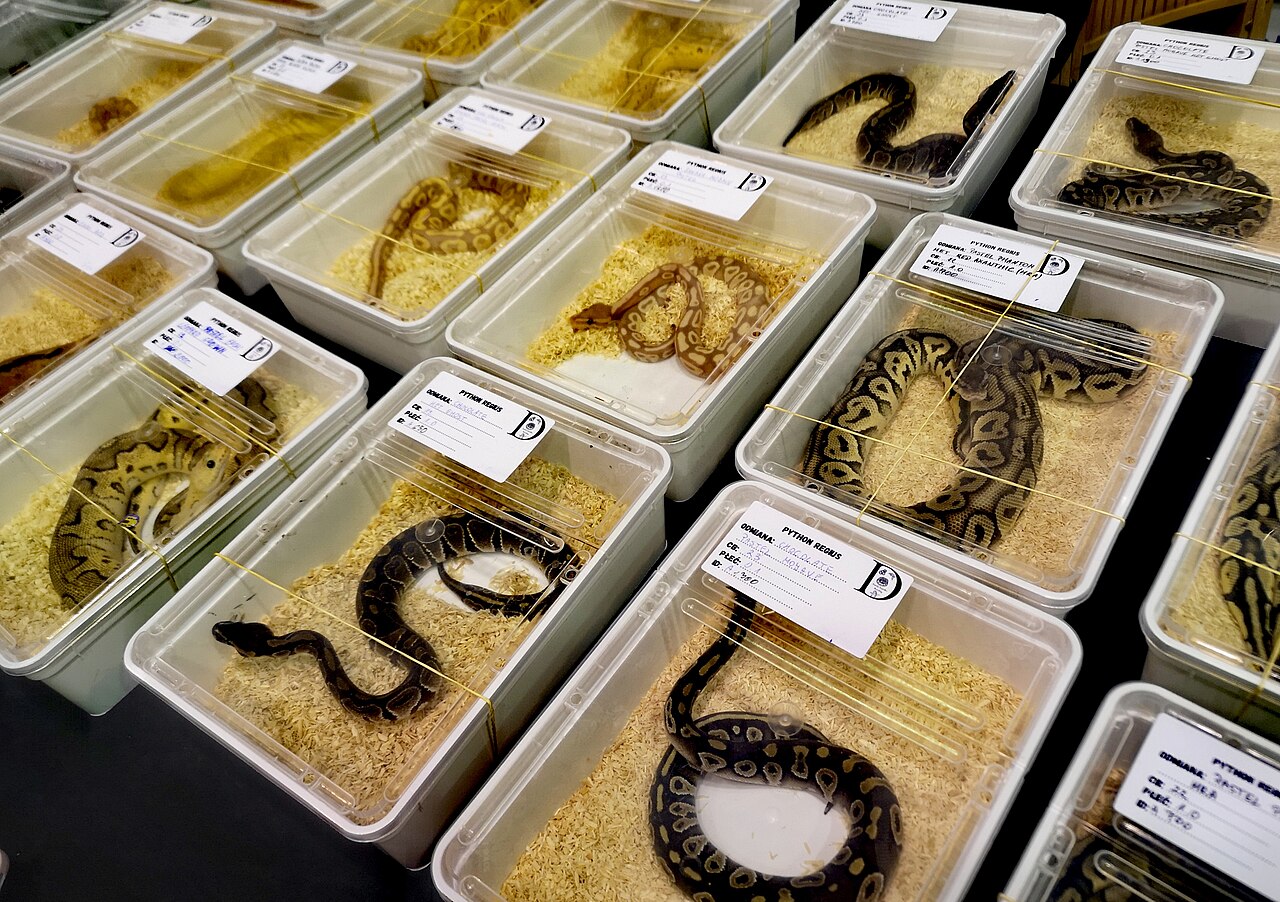
Ball python morphs are color and pattern variants of a single species, Python regius, produced by selectively breeding naturally occurring mutations. Breeders currently recognize somewhere between 6,000 and 8,000 named combinations built from roughly 100 to 200 base genes, and the count climbs every season because each new gene multiplies against everything already in the collection.
That number frightens beginners more than it should. Every morph on the market is assembled from a short list of base mutations that behave in predictable ways, and once you know whether a gene is recessive, dominant, or incomplete dominant, the naming conventions and the prices both start making sense.
A ball python morph is a genetic color or pattern mutation of Python regius. About 100 to 200 base genes exist, and breeders combine them into thousands of named morphs. Prices run from $30 for a normal to several thousand for rare combos. Care requirements are identical across all morphs.
| Morph | Inheritance | Look | Typical Price |
|---|---|---|---|
| Normal (wild type) | Baseline | Brown and black blotches | $30 to $60 |
| Pastel | Incomplete dominant | Brighter yellow, faded head | $50 to $100 |
| Albino | Recessive | Yellow and white, red eyes | $150 to $300 |
| Piebald | Recessive | White patches, normal saddles | $200 to $450 |
| Banana | Incomplete dominant, sex linked | Lavender and yellow | $100 to $250 |
| Clown | Recessive | Reduced pattern, dorsal stripe | $150 to $350 |
| Axanthic | Recessive | Gray and silver, no yellow | $350 to $700 |
What Are All the Morphs of Ball Pythons?
No complete list exists, and any site claiming one is out of date. The working registries track around 8,000 named combinations, but that figure counts combos such as pastel clown pied separately from each of its parts. The genuinely useful number is the base gene count, which sits near 150 depending on whether breeders accept a given line as a distinct mutation or as a variant of an existing one.
Base genes fall into loose visual families. Pattern genes such as clown, pied, and spider redraw the markings. Color genes such as albino, axanthic, and ghost remove or shift pigment. Brightness genes such as pastel and yellow belly intensify what is already there. Everything on the market is some stack of those three categories, usually two to four genes deep.
How Ball Python Morph Genetics Work
Three inheritance patterns cover nearly every morph. Recessive genes need two copies to show, so a snake carrying one copy looks normal and is called a het, short for heterozygous. Breed two hets and roughly 25 percent of the clutch shows the morph. Albino, piebald, clown, and axanthic all work this way, which is why hets sell at a discount and visuals cost more.
Incomplete dominant genes show with one copy and produce a different, usually more extreme animal with two. One copy of mojave gives a mojave; two give a blue eyed leucistic. Dominant genes look the same with one copy or two, so there is no super form. Pinstripe and spider behave as dominant in practice.
What Ball Python Morphs Are Dominant?
True dominant morphs are a short list. Pinstripe, spider, and woma are the common ones, and they are prized as combo ingredients precisely because one copy is enough. Breeding a dominant morph to a normal yields about half the clutch visual, which makes projects fast and cheap compared with recessive lines.
Most of what hobbyists call dominant is actually incomplete dominant, sometimes labeled co-dominant in older literature. Mojave, lesser, butter, fire, yellow belly, and banana all sit here, and each has a distinct super form when doubled. Banana adds a wrinkle: its inheritance is sex linked, so the sex of the banana parent determines whether the babies are mostly male or mostly female.
The Most Popular Morphs
Pastel is the single most widely used gene in the hobby because it brightens almost any combination it enters. Albino remains the best known morph to people outside the hobby, thanks to the red eyes and the yellow on white contrast. Piebald is the most recognizable pattern mutation, with irregular pure white sections against normal patterning.
Clown, ghost, enchi, and yellow belly fill out the mid market. Pricing follows supply rather than beauty: albino cost thousands in the early 1990s and now sits in the low hundreds, because thirty years of breeding flooded the market. Any gene follows that curve, so a morph that costs $2,000 today will likely cost $200 within a decade.
What Is the Best Morph of a Ball Python?
For a first snake, the best morph is whichever single gene animal you can buy from a breeder who feeds it in front of you. Pastel, normal, and yellow belly are all in the $40 to $100 range, and none of them carry a known health issue. A single gene visual also teaches you the genetics before you spend real money.
For looks, piebald and clown win most polls, and albino stays the classic. For a long term project, pick one recessive gene you actually like and build combos around it rather than collecting one of everything. The morph makes no difference to husbandry, appetite, or temperament, and any claim otherwise applies to a specific gene rather than to morphs in general.
What Is the Rarest Ball Python Morph?
Rarity shifts every year, so treat lists as snapshots. As of the current season the scarcest widely acknowledged mutations include stranger, sunset, monsoon, bongo, and several unproven single specimen lines that have never reproduced. A gene that exists in fewer than a dozen animals worldwide commands whatever the holder asks.
The rarest visuals are usually multi gene recessive stacks rather than single genes. Something like a sunset clown pied requires three recessive lines to line up in one clutch, and the odds of that are roughly 1 in 64 per egg from ideal parents. Scarcity there is arithmetic, not biology, which is why such animals become common within a few generations once someone proves the line.
What Is a Holy Grail Ball Python?
Holy grail is a specific morph name, not a general compliment. It refers to a combination of the desert ghost and clown genes, sometimes with additional brighteners, that produces a high contrast gold and lavender animal with a clean reduced pattern. The name stuck because for several years it was the combo everyone wanted and almost nobody had.
Prices for holy grail animals ran into five figures when the combo first appeared and have since settled into the low thousands as more breeders proved out desert ghost lines. Both parent genes are recessive, so the project takes at least two generations to reach a visual. The term now gets applied loosely in classified ads, so confirm the actual genes listed rather than trusting the label.
What Snake Is Worth $100,000?
The figure almost always traces back to a ball python. The first lavender albino, a recessive mutation found in a wild caught import, is widely reported to have sold for around $40,000 in 2001, and asking prices near or above $100,000 have been quoted for first generation animals of newly discovered genes since then. Sources disagree on which specific sale holds the record, and most six figure numbers are asking prices rather than confirmed transactions.
What is not in dispute is the direction of travel. Every record price collapses. Lavender albino now sells in the hundreds to low thousands. Pay attention to that pattern before treating a high price animal as an investment, because the supply curve works against you the moment the gene proves reproducible.
What Ball Python Morphs to Avoid?
The clearest case is the spider gene and its relatives. Spider is linked to a neurological condition called wobble, which causes head tremors, corkscrewing, and impaired striking accuracy. Severity varies from barely visible to severe, every spider carries it to some degree, and no breeding line has eliminated it. The gene is also homozygous lethal, meaning super spiders never hatch.
Related wobble genes include woma, hidden gene woma, champagne, and sable, with champagne often showing the strongest effect. Champagne is also lethal in the super form. Separately, the blue eyed leucistic and other super forms of the lesser complex can produce duckbill deformities and occasional kinking. None of these animals require special care, but they are not a good first snake.
Are There Any Unethical Ball Python Morphs?
This is an honest disagreement rather than a settled question. One camp argues that knowingly producing animals with a neurological defect is indefensible, and several European countries restrict or ban the sale of spider and related wobble morphs on animal welfare grounds. The other camp points out that mildly affected spiders feed, breed, and live full lifespans in captivity.
Where the argument narrows is the lethal combinations. Deliberately pairing two spiders or two champagnes produces a clutch in which a quarter of the embryos cannot survive, and there is no defense for that beyond convenience. Most established breeders now avoid those pairings and disclose wobble openly. A seller who denies that spider wobble exists is telling you something useful about the rest of their claims.
How Combo Names Are Built
Morph names are additive and read left to right as a gene list. A pastel clown is a snake carrying both pastel and clown. A super pastel carries two copies of pastel. Bumblebee is the trade name for pastel plus spider, and killer bee is super pastel plus spider, which is why the same animal can be described two different ways.
Trade names are the trap. Dozens of combos have branded names that hide their contents, and some are used inconsistently between breeders. Before buying, ask for the gene list rather than the label, and cross check it against a morph calculator. The same discipline applies in other species, and our corn snake morph guide uses the same naming logic.
Morphs in Other Python Species
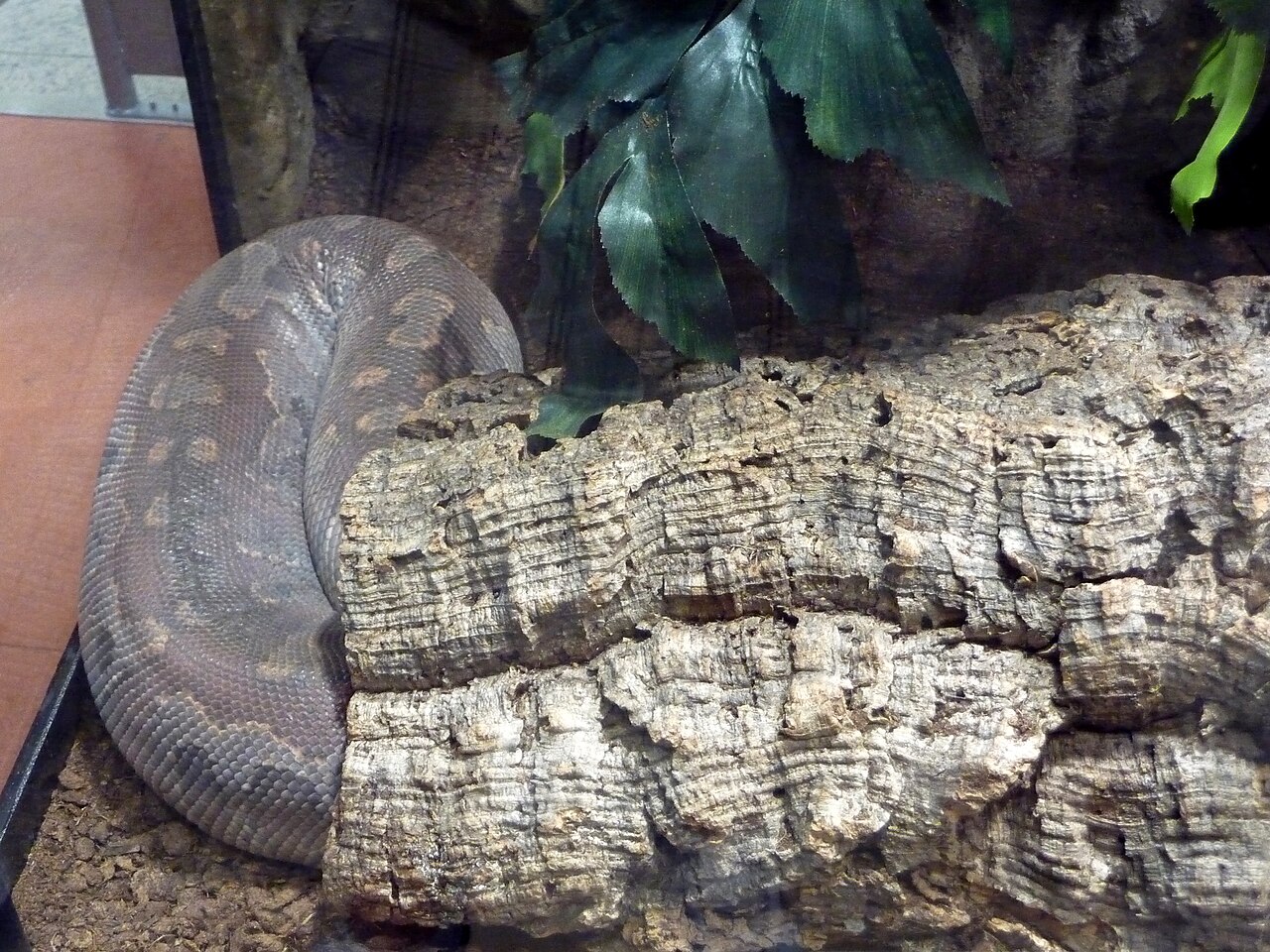
Ball pythons dominate the morph market, but they are not alone. Blood pythons (Python brongersmai) have an established line of ivory, albino, and goldeneye morphs, and their shorter, heavier build gives the colors a very different presentation. The species stays under 6 ft (1.8 m) despite the bulk.
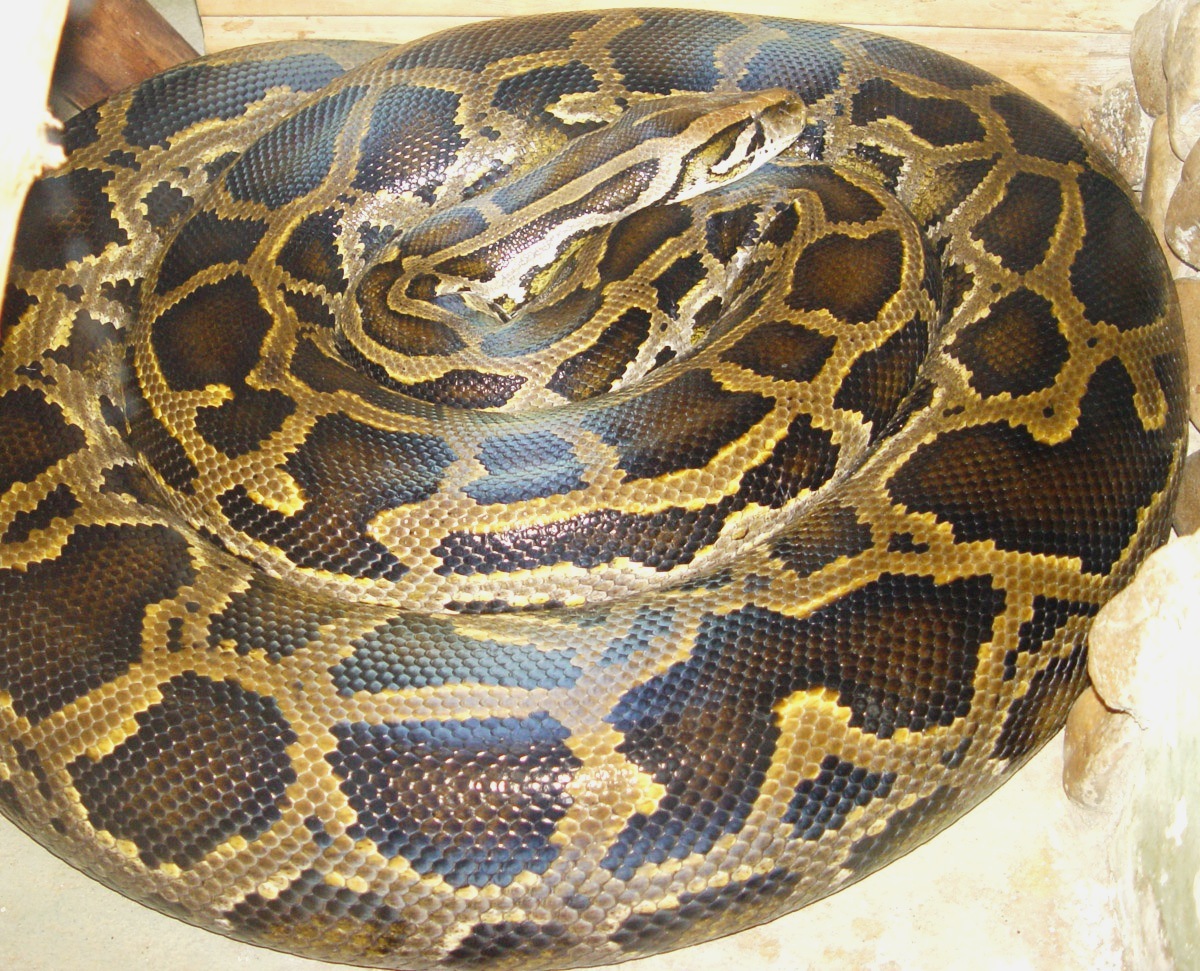
Burmese pythons (Python bivittatus) have albino, granite, and labyrinth morphs, though the species reaches 16 ft (4.9 m) and is restricted in multiple US states after establishing a breeding population in the Everglades. Wild Python regius populations are meanwhile listed as threatened by the IUCN Red List, largely due to the export trade, which is an argument for buying captive bred animals only.
Frequently Asked Questions
What are the common causes of death in ball pythons?
Respiratory infection from cold or damp enclosures, chronic dehydration, impaction from poor substrate choices, and untreated scale rot account for most captive deaths. Improper temperatures sit behind nearly all of it. Long feeding refusals are normal for this species and rarely the cause of death on their own.
Does the morph affect ball python care?
No. Every morph needs the same setup: a warm side near 88 to 92 F (31 to 33 C), a cool side near 78 F (26 C), humidity of 55 to 65 percent, and two hides. Wobble morphs may need shallower water bowls and assisted feeding, and albinos are sometimes given dimmer lighting.
Can two normal looking ball pythons produce a morph?
Yes, if both parents carry the same recessive gene. Two hets for albino look completely normal and produce roughly 25 percent visual albinos. This is also how new mutations surface, since a wild caught import can carry a gene nobody has seen until it doubles up in captivity.
How much does a ball python morph cost?
Single gene morphs run $40 to $300. Two gene combos generally land between $200 and $800, and recessive stacks or new genes reach several thousand. Normals cost $30 to $60. Expect to spend $200 to $400 on the enclosure and equipment regardless of which animal you choose.
Are ball pythons endangered in the wild?
The IUCN lists Python regius as vulnerable, downgraded from least concern because of habitat loss and the volume of wild collection for the pet trade in Ghana, Togo, and Benin. Captive bred animals are now abundant enough that no buyer needs a wild caught snake.
What is the difference between a morph and a subspecies?
A morph is a genetic variant within a single interbreeding population, maintained by human selection. A subspecies is a geographically separated population with consistent differences. Every ball python morph is the same species, so any two morphs can be bred together and produce fertile offspring.