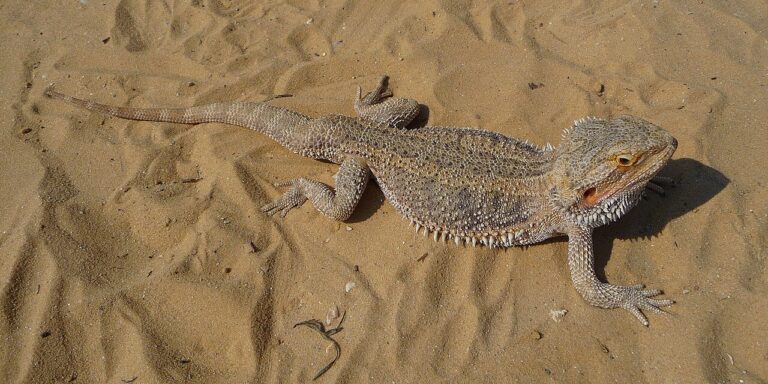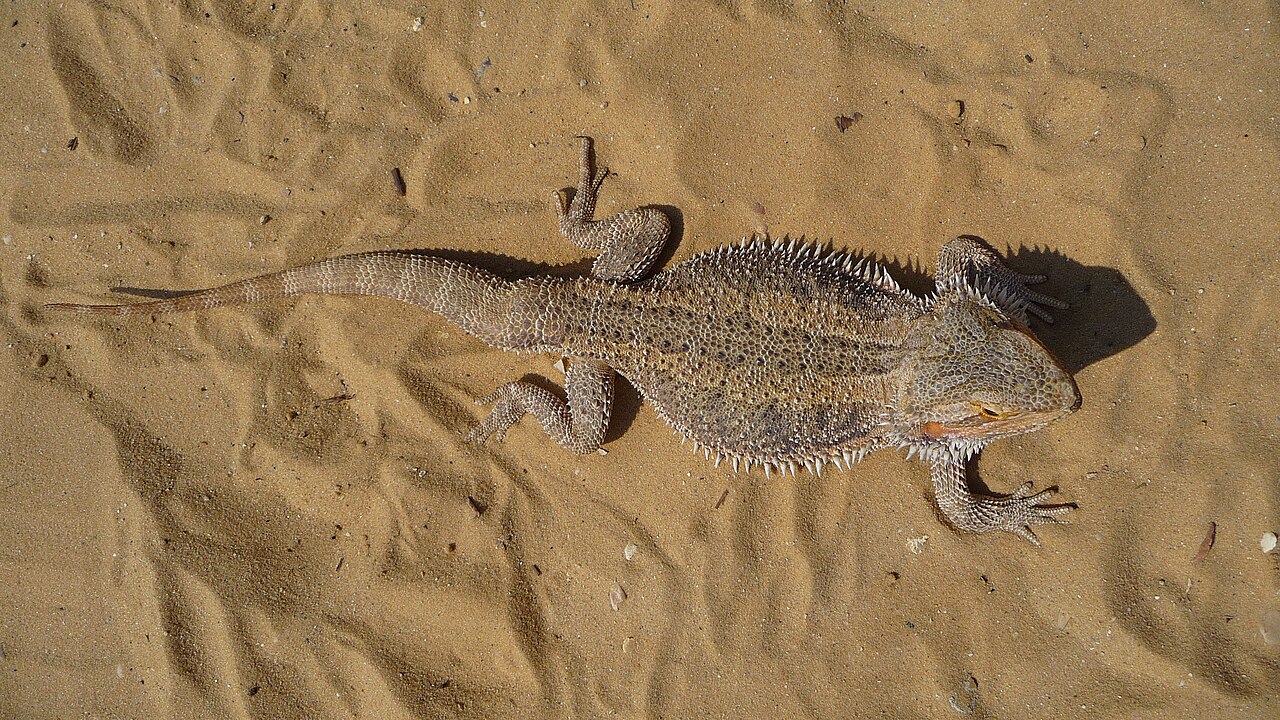
Can Bearded Dragons Eat Grapes? Safe Amounts and Risks
Bearded dragons can eat grapes, but only as an occasional treat roughly once or twice a month. Grapes are not toxic, and most dragons take them enthusiastically, which is exactly why they cause problems. The issue is the calcium to phosphorus ratio: grapes contain more phosphorus than calcium, and phosphorus binds calcium in the gut and blocks its absorption.
For a reptile whose most common serious health problem is metabolic bone disease, that ratio matters more than the sugar content everyone worries about. This guide covers how often grapes are safe, why the mineral balance is the real constraint, how to prepare them, the difference between grapes and grape leaves, and what should make up the diet instead.
| Quick Facts | Grapes for Bearded Dragons |
|---|---|
| Safe to feed | Yes, as an occasional treat |
| Frequency | 1 to 2 times per month |
| Portion | Half to one grape, cut small |
| Calcium to phosphorus | Roughly 0.7:1, unfavorable (ideal is 2:1) |
| Sugar content | About 16 percent |
| Grape leaves | Excellent, high in calcium, can be fed regularly |
Can Bearded Dragons Eat Grapes Safely?
Yes, in moderation. Grapes contain nothing toxic to reptiles, unlike the situation in dogs where grapes cause acute kidney failure. That difference confuses a lot of new keepers, and it is worth stating plainly: the canine toxicity does not apply to bearded dragons.
Grapes do offer some benefits. They are roughly 81 percent water, which contributes to hydration in an animal that often drinks poorly from standing water, and they supply vitamin K, some vitamin C, and antioxidants including resveratrol in the skin of darker varieties.
The constraint is frequency rather than safety. A grape once or twice a month alongside a proper diet does no harm at all. A grape several times a week, sustained over months, contributes to the two most common husbandry-driven health problems in captive dragons, which are metabolic bone disease and obesity with fatty liver. The same moderation logic that governs fruit for chickens eating grapes applies here, only with a tighter limit.
The Calcium to Phosphorus Problem
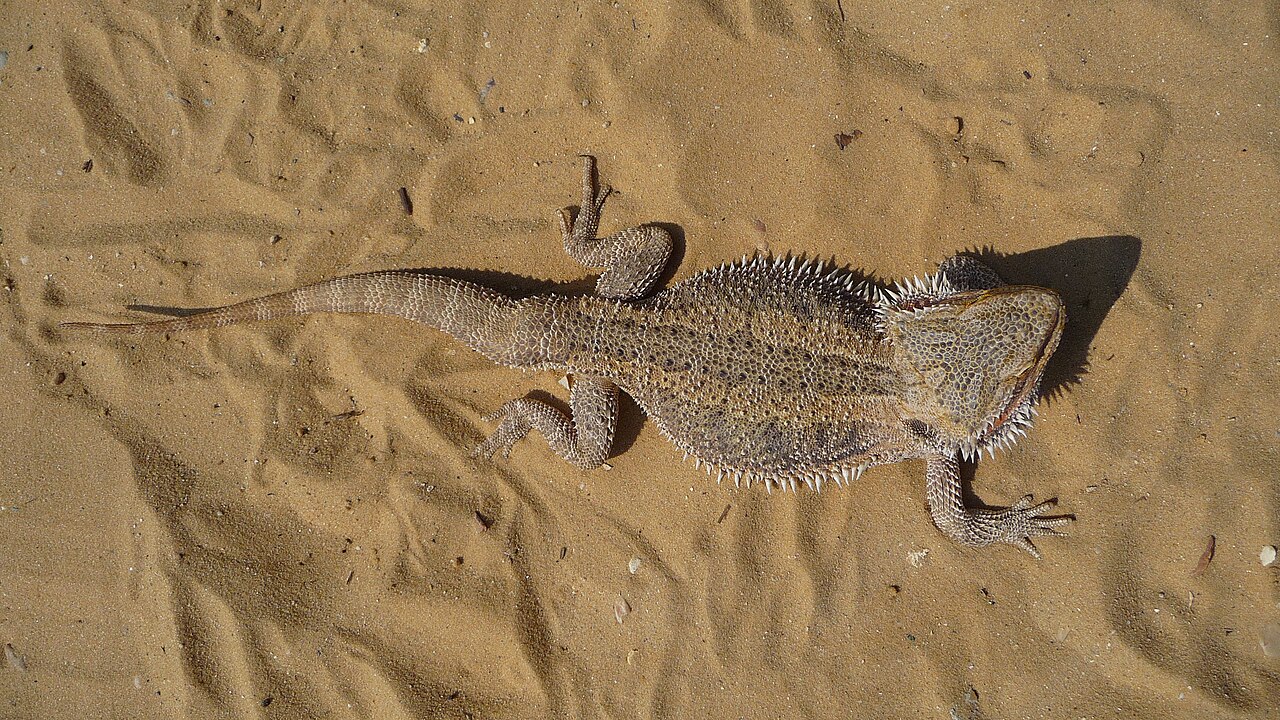
This is the part most grape articles skip and it is the reason for the low frequency. Bearded dragons need dietary calcium and phosphorus in a ratio of roughly 2:1 or better, meaning twice as much calcium as phosphorus. Grapes come in around 0.7:1, which inverts the requirement.
Phosphorus binds calcium in the digestive tract and forms compounds the animal cannot absorb. Feeding a food with excess phosphorus does not merely fail to supply calcium, it actively reduces the calcium available from everything else eaten at the same meal. A diet built on such foods produces a chronic deficit even when calcium supplements are dusted onto insects.
The consequence is metabolic bone disease, which is the single most common serious illness in captive bearded dragons. The body pulls calcium from bone to maintain blood levels, producing soft or deformed limbs, a rubbery jaw, tremors, lethargy, spinal kinks, and eventually fractures and death. Reptile veterinarians see it constantly, and it is entirely preventable through diet, UVB lighting, and supplementation, and it is heartbreakingly common in animals kept by people who thought they were feeding treats generously.
Sugar and Why Frequency Matters
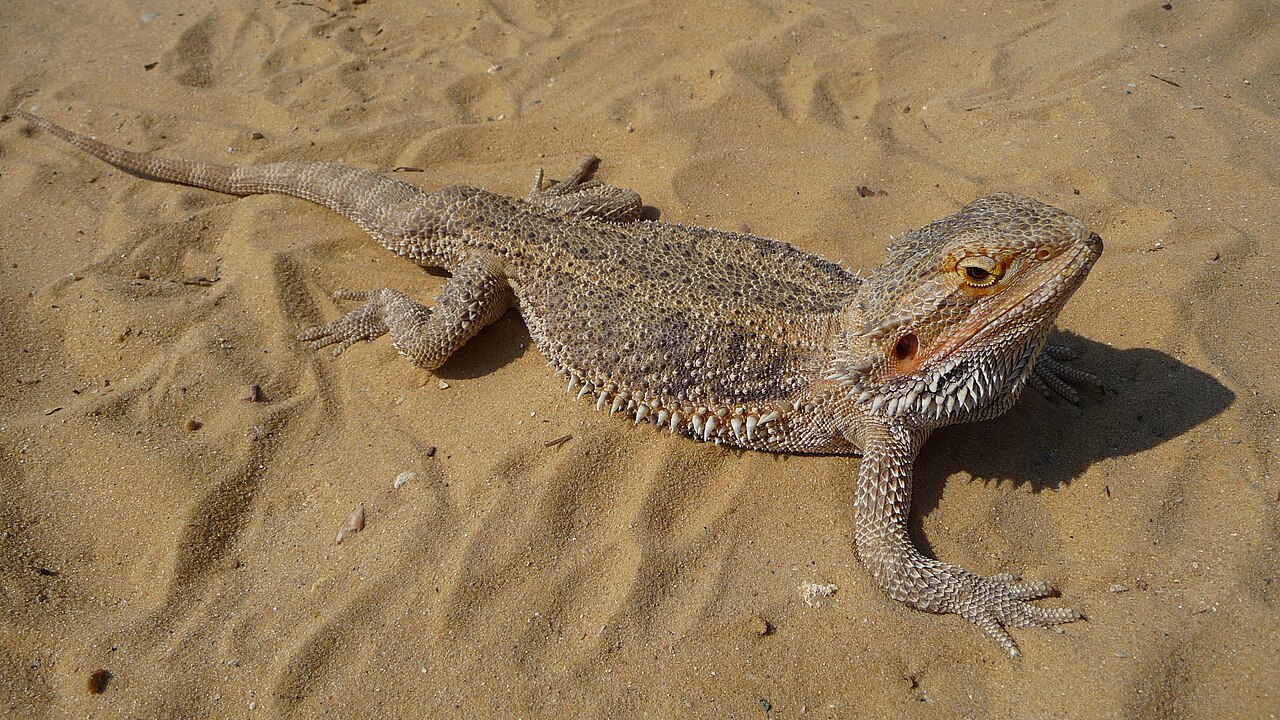
Grapes run around 16 percent sugar by weight, which is high for an animal that evolved in arid Australian scrubland eating insects and tough desert vegetation. Bearded dragons have no adaptation for regular fruit sugar, and the effects show up in several ways.
Excess sugar disrupts gut flora and commonly produces loose or runny stools, which in turn causes dehydration. Over longer periods it contributes to obesity and hepatic lipidosis, a fatty liver condition that is difficult to reverse and shortens life substantially. Sugar also feeds oral bacteria, and dental disease is more common in captive dragons than most keepers realize.
Adult dragons are more vulnerable than juveniles in this respect, since adults should be eating roughly 80 percent plant matter and 20 percent insects, while juveniles run the opposite ratio to support growth. An adult given fruit frequently displaces the leafy greens that should form the bulk of the diet, and the resulting deficit compounds quietly.
How to Serve Grapes Safely
Wash thoroughly first. Grapes carry pesticide residue more than most produce, and a reptile eating skin and all takes in whatever is on the surface. Organic is preferable, and a proper rinse under running water is the minimum.
Cut to the right size, which is the rule that prevents choking and impaction. The standard guideline for bearded dragons is that no food item should be wider than the space between the animal’s eyes. For a grape that means halving or quartering it for an adult and cutting smaller still for a juvenile. Never offer a whole grape.
Use seedless varieties, or remove seeds, since grape seeds are hard and pose an impaction risk. The skin is fine and contains most of the antioxidants, so there is no need to peel. Serve at room temperature rather than cold, place the pieces in a shallow dish rather than on the substrate to avoid ingestion of sand or loose bedding, and remove anything uneaten within a few hours before it ferments or draws insects.
Green, Red, and Black Grapes
Variety makes little practical difference. Green, red, and black grapes have broadly similar nutritional profiles, similar sugar content, and similarly unfavorable calcium to phosphorus ratios, so the same once or twice monthly limit applies to all of them.
Darker varieties contain more anthocyanins and resveratrol, the antioxidant compounds concentrated in the skin, which gives red and black grapes a marginal edge. The difference is too small to change how you feed them.
What does matter is form. Fresh grapes only, never grapes preserved in syrup, never grape juice, and never wine-related products. Frozen grapes thawed to room temperature are acceptable if fresh ones are unavailable, though the texture becomes mushy and some dragons refuse them.
Raisins and Grape Leaves
Raisins are worse than grapes and should be avoided. Drying removes the water and concentrates everything else, pushing sugar content above 59 percent while leaving the unfavorable mineral ratio intact. A raisin is essentially a sugar pellet with the same calcium problem, and it is also a choking and impaction risk because of the sticky dense texture.
Grape leaves are the surprise in this topic and they run in the opposite direction entirely. Fresh grape leaves are high in calcium with a favorable calcium to phosphorus ratio, they are low in sugar, and they provide fiber. They can be fed regularly as part of the greens portion of the diet, which makes the vine considerably more useful than the fruit.
Source leaves carefully. Use young tender leaves from vines you know have not been sprayed, wash them thoroughly, and chop them into manageable pieces. Commercially jarred grape leaves are brined and far too salty for a reptile, so they are not a substitute.
What Bearded Dragons Should Eat Instead
The foundation for an adult is leafy greens, making up roughly 80 percent of intake. Collard greens, mustard greens, turnip greens, dandelion greens, endive, escarole, and prickly pear pads are the standards, all chosen for favorable calcium ratios and low oxalate content.
Vegetables fill in around the greens. Butternut squash, acorn squash, bell peppers, green beans, and parsnips work well, chopped small. Spinach, kale, beet greens, and Swiss chard should be limited rather than used daily, because their oxalate content binds calcium in a similar way to excess phosphorus.
Insects supply the protein, at roughly 20 percent for adults and the majority of the diet for growing juveniles. Dubia roaches, crickets, black soldier fly larvae, and silkworms are the staples, gut-loaded before feeding and dusted with calcium powder, much as the feeder species in our guide to the baby hedgehog need supplementing before they are offered. Mealworms and waxworms are too fatty for regular use. Our guide to what crickets eat covers gut-loading, which raises the nutritional value of every feeder insect you offer.
Signs You Are Feeding Too Much Fruit
Loose or runny stools are the earliest and most obvious signal, and they usually appear within a day or two of a fruit-heavy feeding. Persistent diarrhea leads to dehydration, which shows as sunken eyes, wrinkled skin that does not spring back when gently pinched, and lethargy.
Refusing greens is the behavioral warning. A dragon that has learned fruit is on offer will hold out for it, exactly as a child holds out for dessert, and the resulting greens deficit is where the mineral problems begin. If your dragon ignores collard greens but rushes at fruit, cut the fruit entirely for a few weeks.
The serious signs need veterinary attention rather than diet adjustment. Tremors or twitching, a soft or rubbery jaw, swollen limbs, difficulty walking or dragging the back legs, and visible spinal kinks all point to metabolic bone disease. A reptile veterinarian can confirm with bloodwork and radiographs, and early cases respond well to treatment while advanced ones leave permanent deformity.
Safe and Unsafe Fruits at a Glance
Occasional treats in the same category as grapes include apple without seeds, blueberries, strawberries, raspberries, mango, papaya, and watermelon without rind or seeds. All carry the same once or twice monthly guidance, and papaya and figs happen to have better calcium ratios than most.
Fruits to avoid entirely are a shorter list. Avocado is genuinely toxic to reptiles and must never be offered. Citrus is too acidic and causes digestive upset. Rhubarb is toxic because of oxalic acid content. Anything dried, canned in syrup, or processed carries concentrated sugar with no benefit.
Keep the whole fruit category to roughly 5 to 10 percent of the diet at most, and treat every fruit as an extra rather than a component. The animals in our guides to the crested gecko and the Pacman frog have quite different requirements, which is worth remembering if you keep more than one species, since husbandry advice does not transfer between them.
Related reading: can guinea pigs eat apples.
Related reading: can bearded dragons eat bananas.
Related reading: can rabbits eat grapes.
Related reading: can rabbits eat cucumber.
Related reading: can bearded dragons eat watermelon.
Related reading: can bearded dragons eat spinach.
Related reading: can bearded dragons eat strawberries.
Related reading: can bearded dragons eat apples.
Related reading: can bearded dragons eat blueberries.
Frequently Asked Questions
Can bearded dragons eat grapes?
Yes, as an occasional treat once or twice a month. Grapes are not toxic to reptiles the way they are to dogs. The limit exists because grapes have an unfavorable calcium to phosphorus ratio of about 0.7:1 when dragons need roughly 2:1.
How many grapes can a bearded dragon eat?
Half to one grape per serving, cut into pieces no wider than the space between the animal’s eyes, once or twice a month. Never offer a whole grape, since size is the main choking and impaction risk.
Why is the calcium to phosphorus ratio important?
Phosphorus binds calcium in the gut and blocks absorption, so a phosphorus-heavy food reduces the calcium available from the whole meal. Sustained imbalance causes metabolic bone disease, the most common serious illness in captive bearded dragons, producing soft jaws, deformed limbs, tremors, and fractures.
Can bearded dragons eat green grapes?
Yes, and green, red, and black grapes are nutritionally similar enough that the same once or twice monthly limit applies to all. Darker varieties contain slightly more antioxidants in the skin, but not enough to change feeding frequency.
Can bearded dragons eat raisins?
No, avoid them. Drying concentrates the sugar above 59 percent while leaving the poor calcium ratio unchanged, and the sticky dense texture adds a choking and impaction risk. Fresh grapes in small amounts are a much better choice.
Can bearded dragons eat grape leaves?
Yes, and they are genuinely good. Fresh grape leaves are high in calcium with a favorable mineral ratio and low sugar, so they can be fed regularly as part of the greens. Use unsprayed young leaves, washed and chopped, and avoid jarred brined leaves, which are far too salty.
What fruit is best for bearded dragons?
Papaya and figs have better calcium ratios than most, followed by blueberries, raspberries, mango, and apple without seeds. Keep all fruit combined to about 5 to 10 percent of the diet. Avocado is toxic and must never be offered, and citrus and rhubarb should also be avoided.