Indian Star Tortoise: Care, Cost, and Legal Status
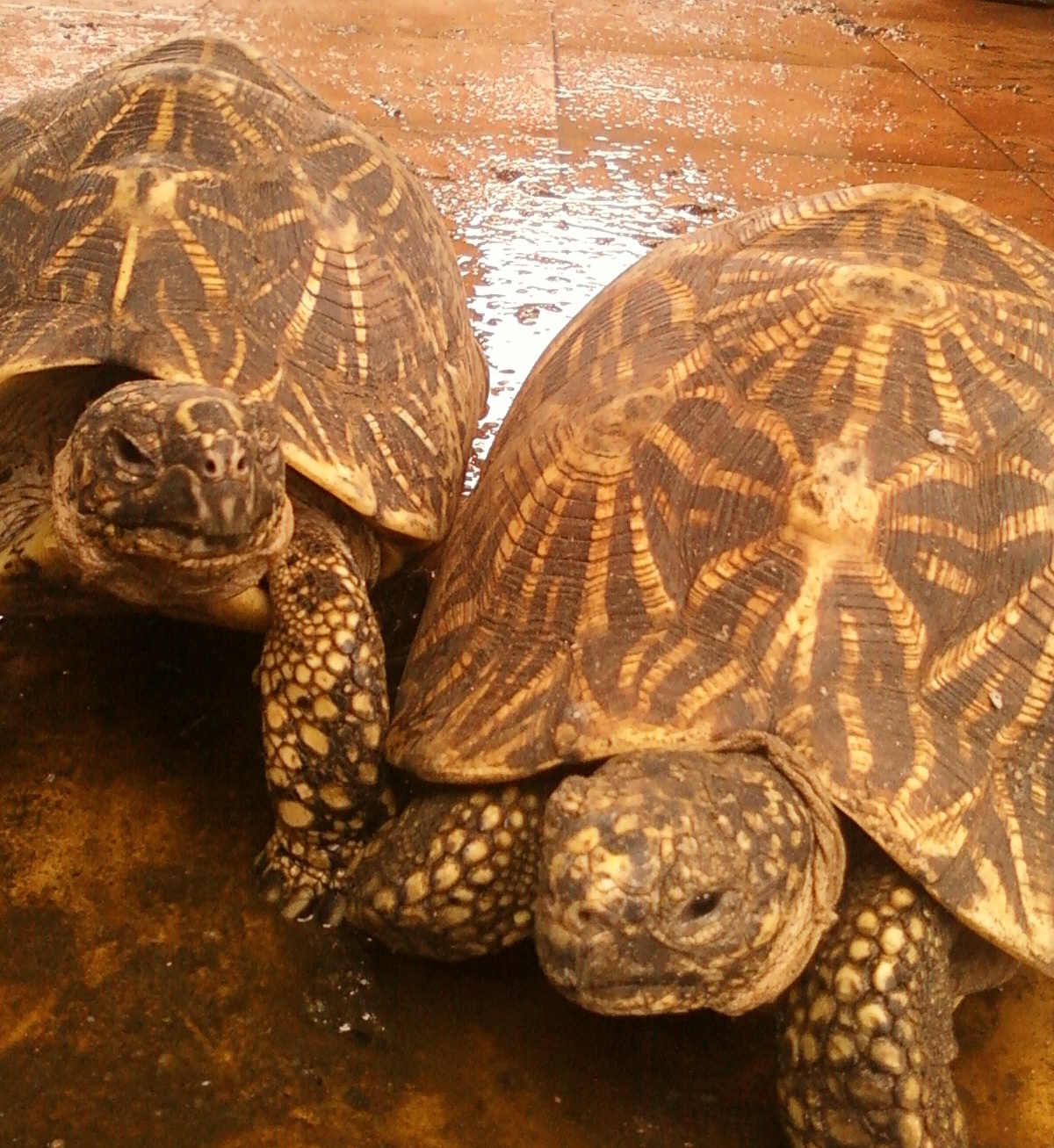
The Indian star tortoise is a small, strikingly patterned tortoise from India, Pakistan, and Sri Lanka, named for the radiating yellow star shapes on each dark shell scute. It is a demanding pet rather than a beginner reptile, needing high humidity, precise temperature gradients, and a strictly herbivorous diet, and it is protected under international law that makes legal ownership considerably more complicated than most tortoise species.
Its beauty is exactly the problem. Heavy demand for the pattern has driven large-scale illegal collection from the wild, and the species is listed under CITES Appendix I, the strictest protection tier. Anyone considering one needs to verify captive-bred provenance and local legality before anything else. This guide covers care, cost, temperament, and the legal picture.
Indian star tortoises are small, high-maintenance tortoises with distinctive radiating yellow star patterns, native to India, Pakistan, and Sri Lanka. They need high humidity, a precise temperature gradient, and a strictly herbivorous, high-fiber diet. They are listed under CITES Appendix I due to heavy illegal wild collection, so legal ownership requires verified captive-bred provenance and varies considerably by country and state.
| Feature | Indian Star Tortoise |
|---|---|
| Size | 6 to 10 inches; females larger than males |
| Lifespan | 30 to 55 years or more |
| Origin | India, Pakistan, Sri Lanka |
| Humidity | High; 60 to 80 percent |
| Diet | Strictly herbivorous, high fiber, low protein |
| Legal status | CITES Appendix I; captive-bred provenance required |
| Difficulty | Intermediate to advanced, not a beginner species |
What Is an Indian Star Tortoise?
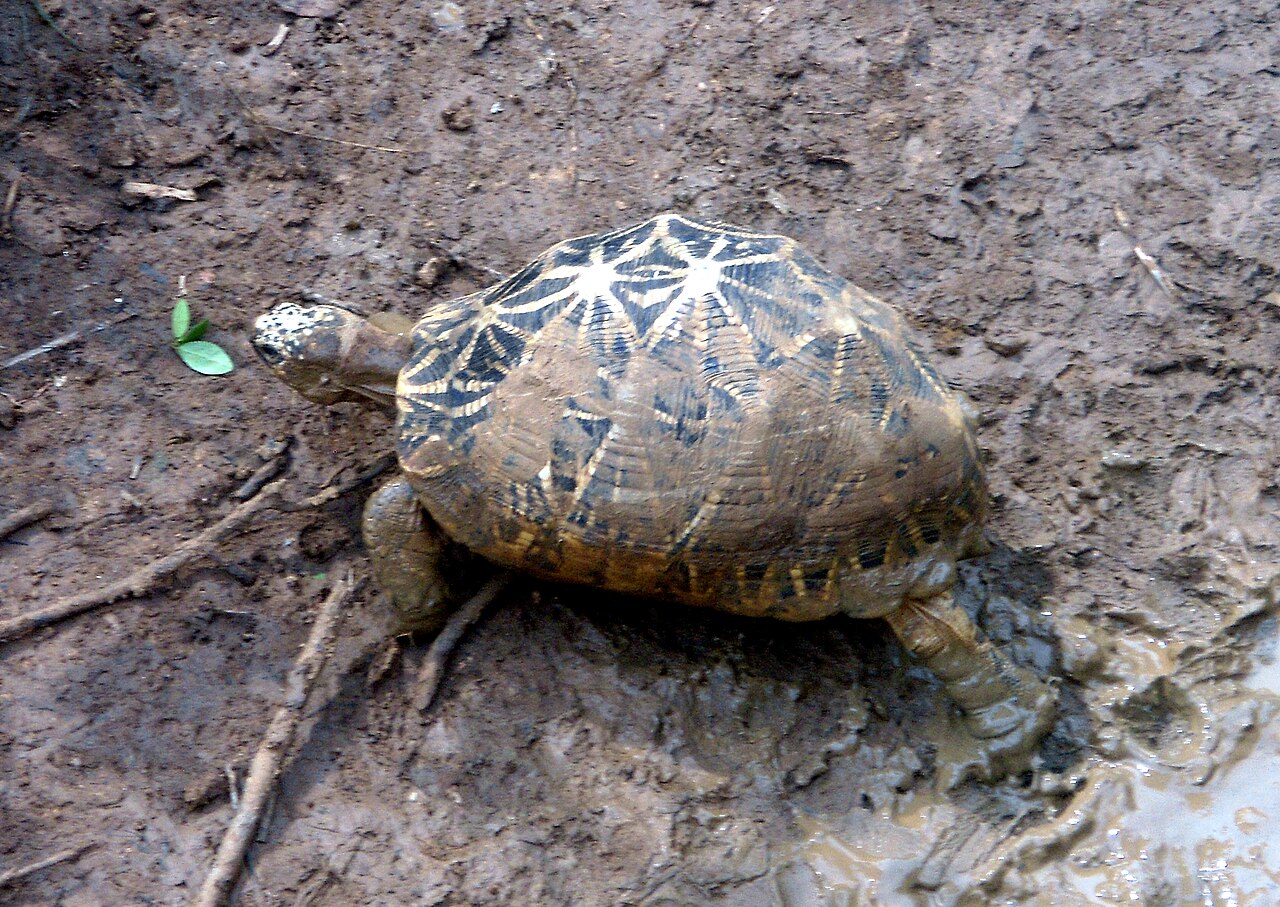
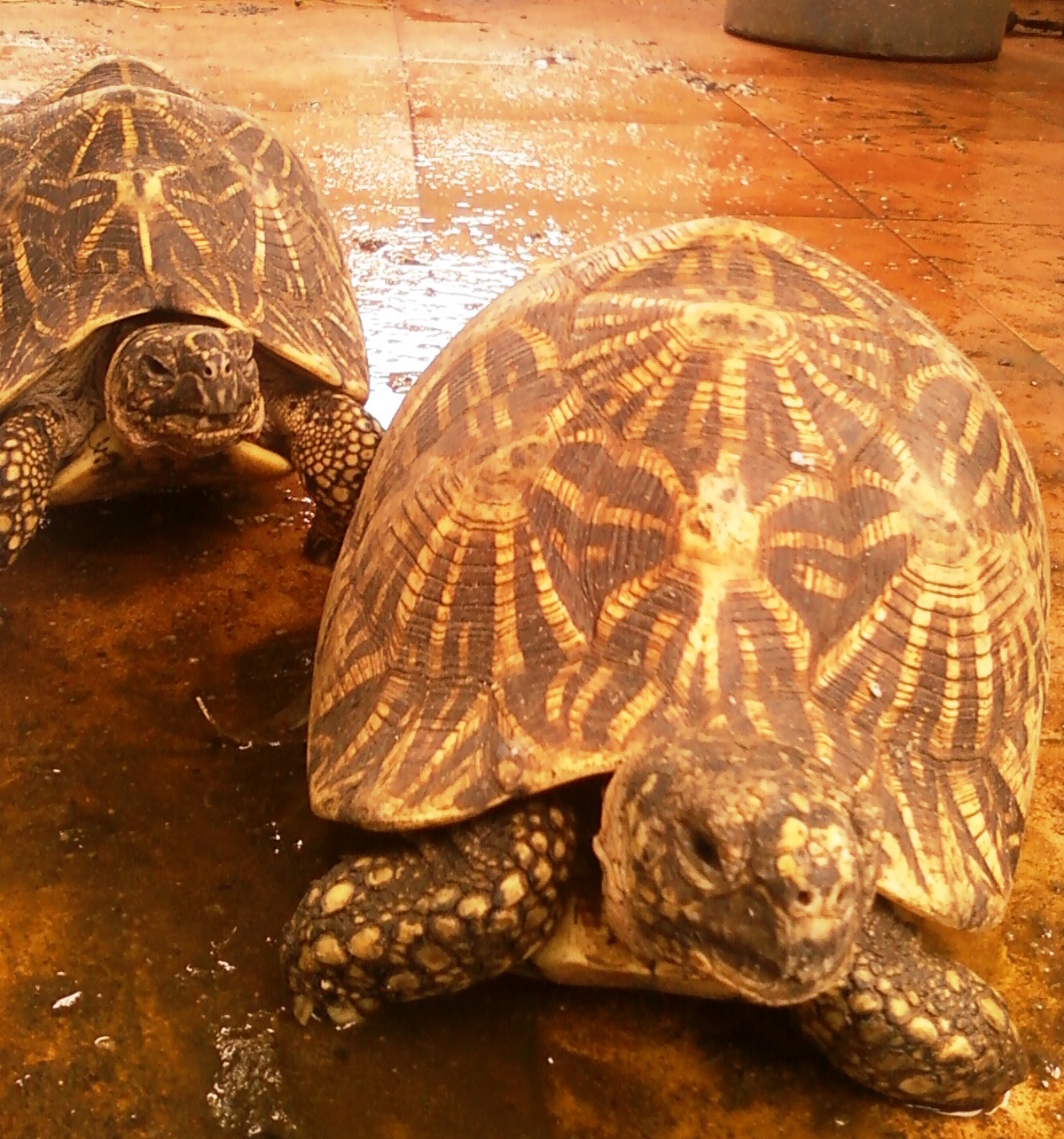
A small tortoise, Geochelone elegans, native to dry scrub forest and grassland across peninsular India, southeastern Pakistan, and Sri Lanka, distinguished by the radiating pale yellow lines spreading outward from the center of each dark shell scute in a star pattern.
The shell is noticeably domed and bumpy, with each scute rising into a slight pyramid even in healthy animals, which distinguishes it from the smoother shells of many other tortoise species and occasionally leads keepers to mistake normal shape for the pyramiding that indicates poor husbandry.
Females grow noticeably larger than males, typically reaching 8 to 10 inches against 6 to 8 for males, and this size difference is one of the more reliable ways to sex an adult alongside tail length and the slight concavity of the male’s plastron.
Do Indian Star Tortoises Make Good Pets?
For an experienced keeper, they can be rewarding, but they are not a good first tortoise. Their humidity and temperature requirements are narrower than those of hardier species, and they respond poorly to husbandry errors that a Russian or Greek tortoise would tolerate.
They are also not a handling pet. Indian star tortoises are generally shy and stress easily with frequent handling, retreating into the shell and refusing food when disturbed too often, which makes them an animal to observe and maintain rather than interact with directly.
The commitment is genuinely long. A healthy Indian star tortoise can live 30 to 55 years or considerably more, meaning acquiring one as an adult often means arranging for its care beyond your own lifetime, a consideration that applies to most tortoises but is easy to underestimate at purchase. The box turtle guide covers a species with somewhat more forgiving requirements.
What Do Indian Star Tortoises Eat?
Strictly plant material, high in fiber and low in protein: grasses, weeds, and leafy greens should form the bulk of the diet, with dandelion, clover, plantain weed, hibiscus leaves and flowers, and various grasses among the best staples.
Protein is genuinely harmful rather than merely unnecessary. Excess dietary protein in tortoises drives rapid, uneven shell growth producing pyramiding, and contributes to kidney damage over time, which is why dog food, cat food, and high-protein commercial pellets should never be offered despite occasionally being recommended casually.
Fruit should be minimal or absent for this species, since Indian star tortoises come from dry grassland habitat and their digestive system is not adapted to the sugar loads that fruit delivers, and excessive fruit is associated with digestive upset and gut flora disruption.
What Enclosure Do They Need?
Larger than most people expect. An adult needs a minimum floor area of roughly 4 by 2 feet, with more being considerably better, and tortoises benefit far more from horizontal floor space than from any vertical element, making tall vivariums a poor choice.
A temperature gradient is essential: a basking area around 95°F at one end, dropping to around 75 to 80°F at the cool end, with a night-time drop into the low 70s, allowing the animal to thermoregulate by moving between zones rather than being held at one temperature.
UVB lighting is non-negotiable, since tortoises need it to synthesize vitamin D3 and absorb dietary calcium, and without it metabolic bone disease develops reliably. Bulbs lose UVB output well before they stop emitting visible light, so replacement every six to twelve months matters regardless of whether the bulb still appears to work.
Why Does Humidity Matter So Much?
Indian star tortoises need higher humidity than their dry-scrub origins suggest, typically 60 to 80 percent, because wild individuals spend much of the day sheltering in humid microclimates under vegetation rather than fully exposed to the ambient conditions a weather station would record.
Chronically low humidity is the primary driver of pyramiding in captive tortoises, where shell scutes grow upward into pronounced pyramids rather than outward smoothly, and this deformity is permanent once formed rather than something that corrects with later husbandry improvement.
Practical humidity management uses a humid hide, a sheltered box with damp sphagnum moss, alongside a deep substrate that holds moisture and regular misting, rather than trying to keep an entire open enclosure at high humidity, which is difficult and encourages respiratory problems from poor airflow.
How Much Does an Indian Star Tortoise Cost?
Captive-bred Indian star tortoises typically run several hundred to well over a thousand dollars depending on age, size, locality, and pattern quality, with hatchlings generally cheaper than established juveniles but considerably more fragile and demanding to raise.
The animal is a modest share of total cost. A properly sized enclosure, UVB and heat lighting, thermostats, substrate, and a suitable humid hide together frequently exceed the purchase price, and ongoing costs include electricity, bulb replacement, and fresh food year-round.
Veterinary care is the item most underestimated. Reptile-experienced vets are less common than general practices, consultations are typically more expensive, and a tortoise with a respiratory infection or shell problem needs a specialist rather than a generalist to be treated properly. The crested gecko lifespan guide covers long-term cost planning for another long-lived reptile.
Are Indian Star Tortoises Rare or Protected?
They remain reasonably numerous in parts of their wild range but are heavily protected because of collection pressure. The species is listed on CITES Appendix I, the strictest tier, which prohibits commercial international trade in wild-caught specimens.
Illegal collection has been substantial, with large seizures of thousands of individuals documented at airports and border crossings, driven almost entirely by demand for the pet trade, and this pressure rather than habitat loss alone is what drove the tighter protection status.
Legality for a private keeper varies considerably by country and by state or province within countries, and in India itself keeping them is prohibited under national wildlife law. Verifying local regulations before acquiring one is genuinely necessary rather than a formality.
Can They Swim or Go in Water?
No, Indian star tortoises are terrestrial and are poor swimmers, and deep water is a genuine drowning risk rather than an enrichment opportunity, unlike aquatic turtles which are built for it.
They do need regular access to shallow water for drinking and soaking, and a shallow dish the tortoise can enter and exit easily, with water no deeper than the point where the shell meets the legs, supports hydration and helps with normal defecation.
Regular soaking, roughly 15 to 20 minutes in shallow lukewarm water two or three times weekly, is a common husbandry practice that supports hydration in a species prone to subtle chronic dehydration, particularly for young animals still establishing regular drinking behavior. The baby turtle guide covers the different requirements of genuinely aquatic species.
Should You Keep One or Two?
One is generally simpler and safer. Tortoises are not social animals in the way many pets are, they do not need companionship, and housing multiples introduces competition for basking spots and food along with the risk of aggression, particularly between males.
Two males housed together will typically fight, ramming and attempting to flip each other, which can cause shell damage and stress that leads to feeding refusal, and this behavior emerges with maturity even in animals that coexisted peacefully as juveniles.
If multiple animals are kept, a considerably larger enclosure with multiple basking spots, feeding stations, and hides reduces conflict, and a female-only or single-male-with-females arrangement works better than any pairing of two males regardless of enclosure size.
What Health Problems Do They Get?
Respiratory infections are the most common serious issue, typically driven by temperatures that are too low or poor ventilation combined with high humidity, showing as nasal discharge, wheezing, open-mouth breathing, and lethargy, all of which warrant prompt veterinary attention.
Metabolic bone disease from inadequate UVB or calcium presents as a soft shell, deformed growth, and weakness, and it is largely preventable through correct lighting and diet but only partially reversible once established, making prevention considerably more important than treatment.
Parasites are common in wild-caught animals specifically, another practical reason captive-bred provenance matters, and a new tortoise should have a fecal examination by a reptile vet regardless of stated origin before being introduced to any existing animals. The painted turtle guide covers health screening for another commonly kept chelonian.
How Do You Handle Them Properly?
Minimally and with support underneath. Indian star tortoises stress with frequent handling, and picking one up should involve supporting the full underside of the shell rather than lifting by the sides, keeping the animal close to a surface so a struggle does not result in a fall.
Falls are genuinely dangerous, since a tortoise shell can crack from a modest drop and internal injuries are difficult to assess without imaging, which is why handling over a table or while seated on the floor is safer than standing.
Hand washing before and after handling matters for both parties: tortoises can carry salmonella, which is a real if manageable risk for people, and skin oils and residues transfer in the other direction, making basic hygiene a two-way consideration. The baby iguana guide covers handling considerations for another reptile that stresses easily.
Related reading: Sulcata Tortoise Lifespan.
Related reading: Sulcata Tortoise.
Related reading: Box Turtle Guide.
Related reading: Marginated Tortoise.
Related reading: Russian Tortoise Care.
Related reading: Hermann Tortoise Care.
Related reading: Red Footed Tortoise.
Frequently Asked Questions
Do Indian star tortoises make good pets?
For experienced keepers, yes, but not for beginners. They need precise humidity and temperature, stress with handling, and can live over 50 years.
How much do Indian star tortoises cost?
Several hundred to over a thousand dollars for captive-bred animals, with enclosure, lighting, and equipment often costing as much or more than the tortoise itself.
Are Indian star tortoises legal to own?
It varies by country and state. They are CITES Appendix I listed, so only verified captive-bred animals can be legally traded, and ownership is prohibited outright in some places including India.
What do Indian star tortoises eat?
Strictly plants: grasses, weeds, and leafy greens high in fiber and low in protein. Fruit should be minimal and animal protein avoided entirely.
Can Indian star tortoises swim?
No. They are terrestrial and poor swimmers, and deep water is a drowning risk. They need only shallow water for drinking and soaking.
Should you keep one or two Indian star tortoises?
One is simpler. They are not social animals, and housing two males together reliably produces fighting once they mature.