Angelfish Tank Mates: What Works and What Gets Eaten
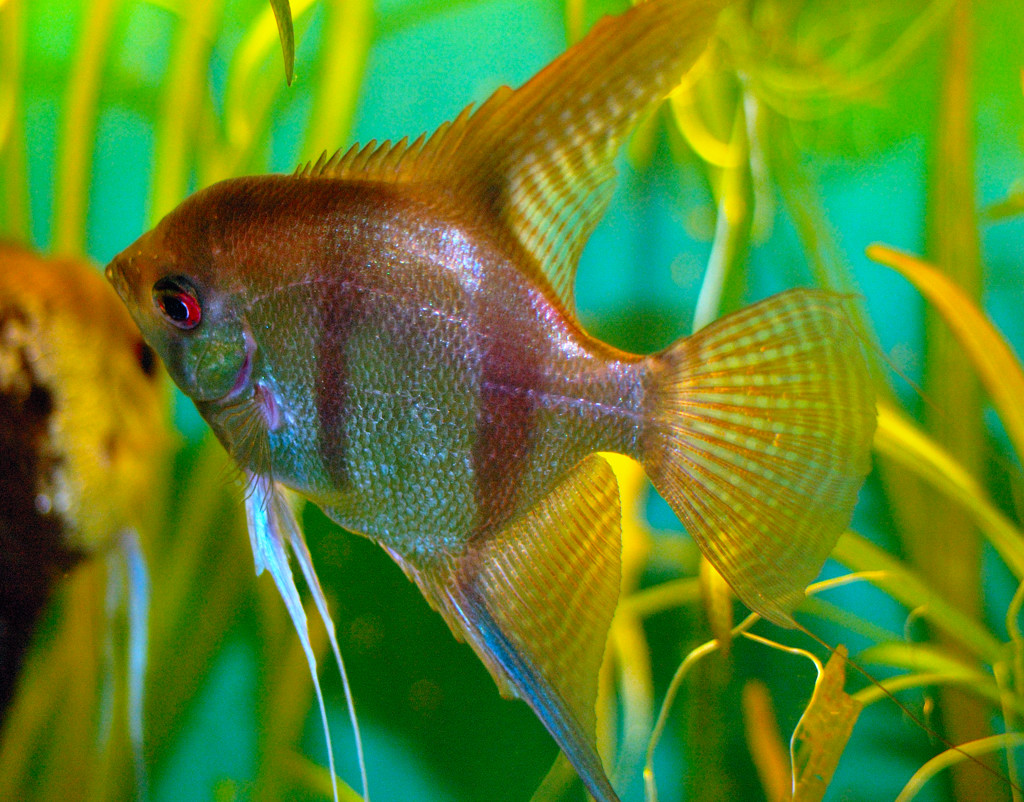
The best angelfish tank mates are calm, similarly sized fish that stay out of the middle water column and have no long flowing fins: corydoras catfish, bristlenose plecos, larger rasboras, dwarf gouramis, and peaceful barbs like cherry barbs. Angelfish (Pterophyllum scalare) are cichlids, so they eat what fits in their mouth and bully what drifts into their space, and those two habits decide almost every pairing.
That leaves a workable middle ground rather than a free for all. A single angelfish in a 29 gallon community tank behaves very differently from a bonded breeding pair in the same water, and most of the horror stories online come from people who set up one situation and expected the other. The lists below separate fish that reliably work, fish that fail, and the tank conditions that decide which way a borderline pairing goes.
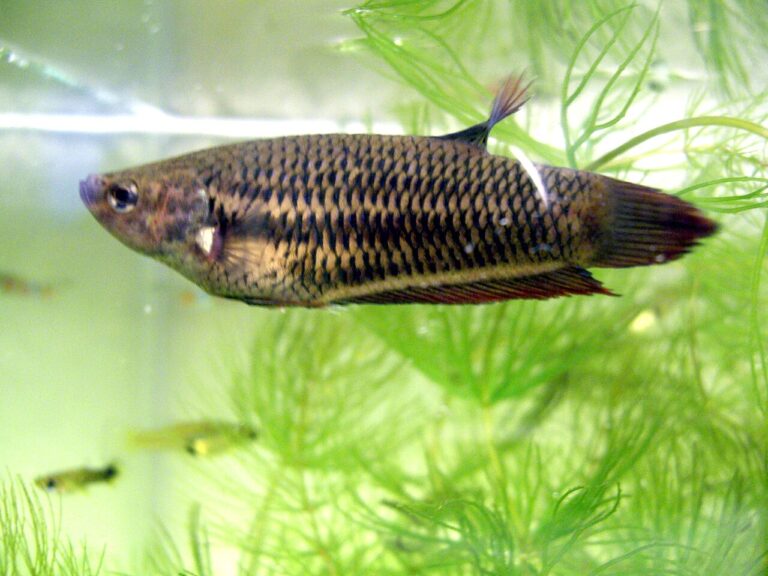
Angelfish do best with peaceful fish over 2 in (5 cm) long that have short fins and occupy the bottom or upper levels of the tank. Corydoras, bristlenose plecos, harlequin rasboras, and cherry barbs are safe. Neon tetras, guppies, and bettas are not, because angelfish eat small fish and shred trailing fins.
| Tank Mate | Adult Size | Tank Level | Verdict |
|---|---|---|---|
| Corydoras catfish | 2 to 3 in (5 to 7.5 cm) | Bottom | Excellent, the default choice |
| Bristlenose pleco | 4 to 5 in (10 to 13 cm) | Bottom | Excellent, armored and quiet |
| Harlequin rasbora | 1.75 in (4.5 cm) | Middle to top | Good in groups of 8 or more |
| Cherry barb | 2 in (5 cm) | Middle | Good, peaceful for a barb |
| Neon tetra | 1.5 in (4 cm) | Middle | Risky, adult angelfish eat them |
| Guppy | 1.5 in (4 cm) | Top | Avoid, long fins plus small body |
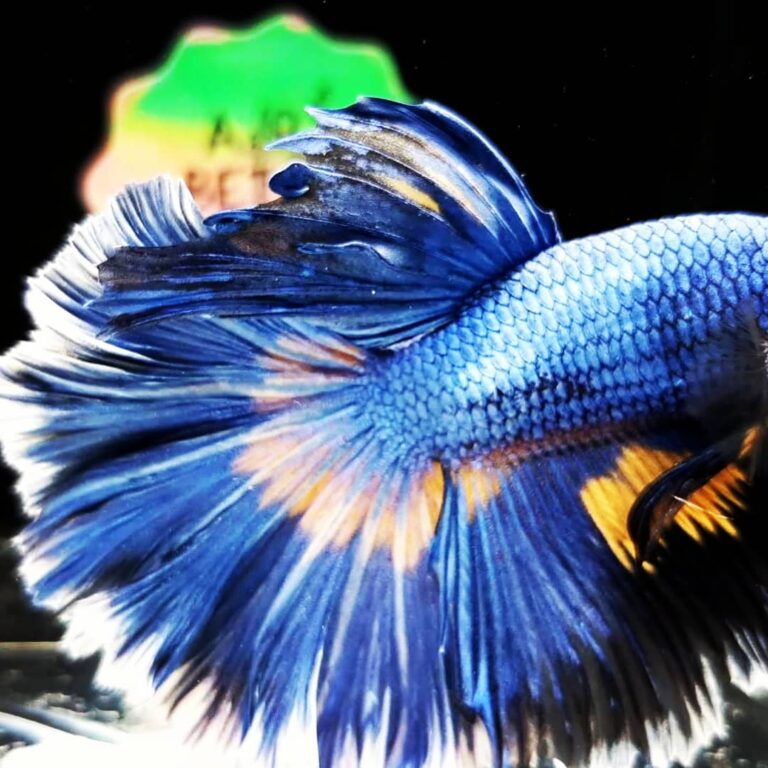
| Betta | 2.5 in (6.5 cm) | Top | Avoid, mutual fin damage |
Which Fish Can Be Kept With Angelfish?
Any fish that is too big to swallow, too fast or too armored to be bullied, and too plain to trigger a fin nipping match can live with angelfish. In practice that means bottom dwellers such as corydoras and bristlenose plecos, mid-water schoolers in the 2 in (5 cm) range, and a handful of larger tetras like black skirts and lemon tetras. These fish share the same soft to moderately hard water and the same 78 to 82 F (25 to 28 C) range angelfish prefer.
The size rule matters more than the temperament rule. An angelfish with a 6 in (15 cm) body and a mouth roughly the width of a pencil eraser will take anything that fits, including fish it ignored for months while both were growing. Buy tank mates at or near adult size rather than assuming a juvenile community will stay balanced.
Stocking numbers matter too. Schooling species kept in groups of eight or more spread the attention, while a lone rasbora or a pair of tetras becomes a target. Give the tank plenty of tall plants, driftwood, and broad leaves so smaller fish have sight breaks and the angelfish cannot patrol the whole volume at once. See what different aquarium fish actually eat before you mix feeding styles.
What Fish Not to Put With Angelfish
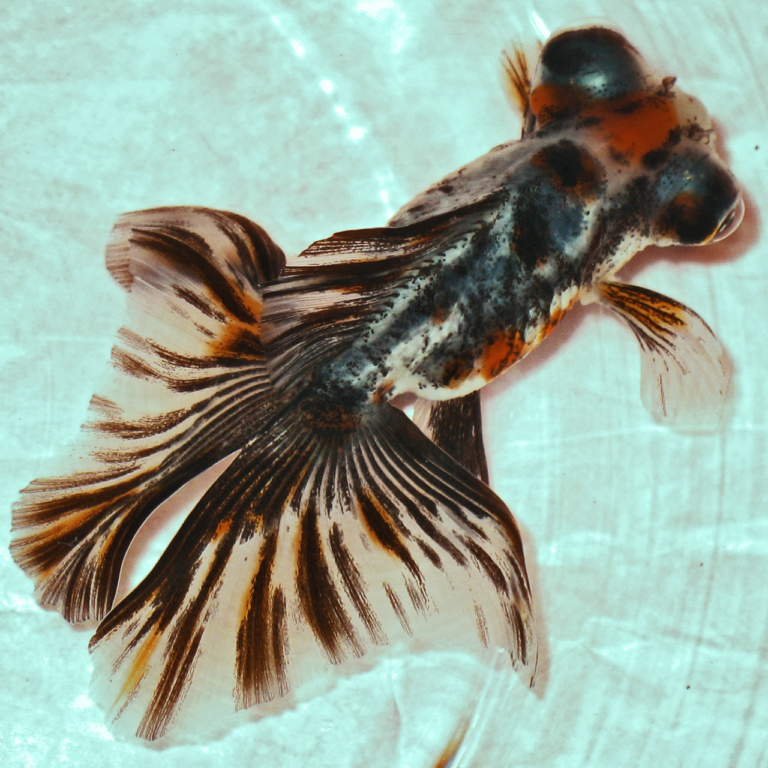
Avoid three categories: anything under about 2 in (5 cm) as an adult, anything with long trailing fins, and anything with a reputation for nipping. That rules out neon tetras, ember tetras, guppies, endlers, bettas, fancy goldfish, and most shrimp. Each fails for a different reason, but the result is the same: one of the two fish ends up damaged.
Tiger barbs and serpae tetras are the classic nippers. They will strip an angelfish’s ventral filaments within days, and a fish with shredded fins is an infection risk. Fancy goldfish fail on temperature alone, since they want water closer to 68 to 74 F (20 to 23 C), and they produce far more waste than an angelfish tank is built to filter.
Large or aggressive cichlids such as oscars, jack dempseys, and convicts are a different failure. They do not nip, they simply outmuscle angelfish at feeding time and claim the territory. Angelfish are tall and slow, which makes them poor competitors against anything built for speed and confrontation.
Corydoras Catfish: The Safest Bottom Dweller

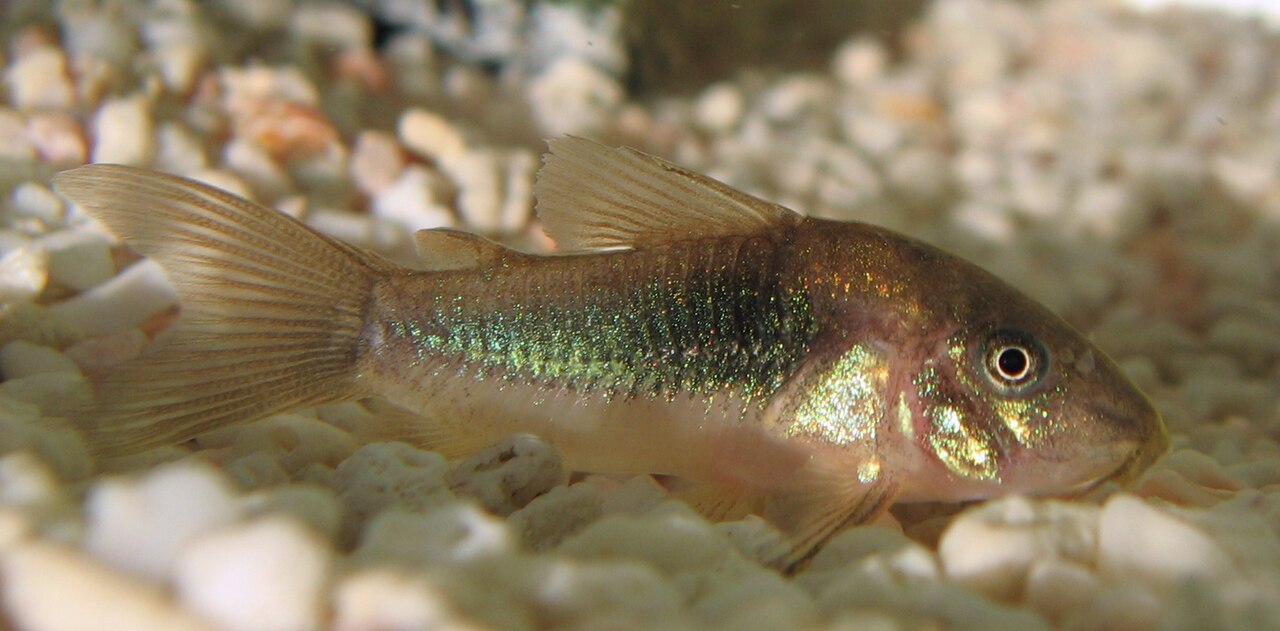
Corydoras are the most reliable angelfish tank mate because they occupy water the angelfish never patrols. Bronze corydoras (Corydoras aeneus), panda corys, and sterbai corys all stay in the 2 to 3 in (5 to 7.5 cm) range, wear bony plates instead of soft skin, and have short fins with locking pectoral spines that make them awkward to swallow.
Keep them in groups of six or more. A single cory hides and stops feeding, while a proper group forages in the open and cleans up sinking food the angelfish miss. Sterbai corys are the pick for warmer angelfish tanks because they tolerate 82 F (28 C) better than panda corys do.
Give them sand or smooth gravel. Sharp substrate wears down their barbels, and a cory that cannot feel its food stops eating properly. This is the single most common mistake in otherwise well planned angelfish communities.
Tetras That Work and the Ones That Do Not
Larger, deep bodied tetras work; small slender ones become food. Black skirt tetras, lemon tetras, and bleeding heart tetras all reach 2 to 2.5 in (5 to 6.5 cm) with a body shape too tall for an adult angelfish to swallow comfortably, and all three are calm enough to ignore fins.
Neon tetras and cardinal tetras are the fish most people ask about, and the honest answer is that they work until they do not. A juvenile angelfish coexists with neons for months. Once the angelfish passes roughly 4 in (10 cm) of body length, the neons start disappearing one at a time, usually overnight. Cardinal tetras last slightly longer because they grow a little larger, but the pattern is the same.
Rummynose tetras sit in between. They school tightly, swim fast, and reach about 2 in (5 cm), which is enough to survive in a well planted tank with a single angelfish. In a tank with a breeding pair, they will still get hunted.
Do Mollies and Angelfish Get Along?
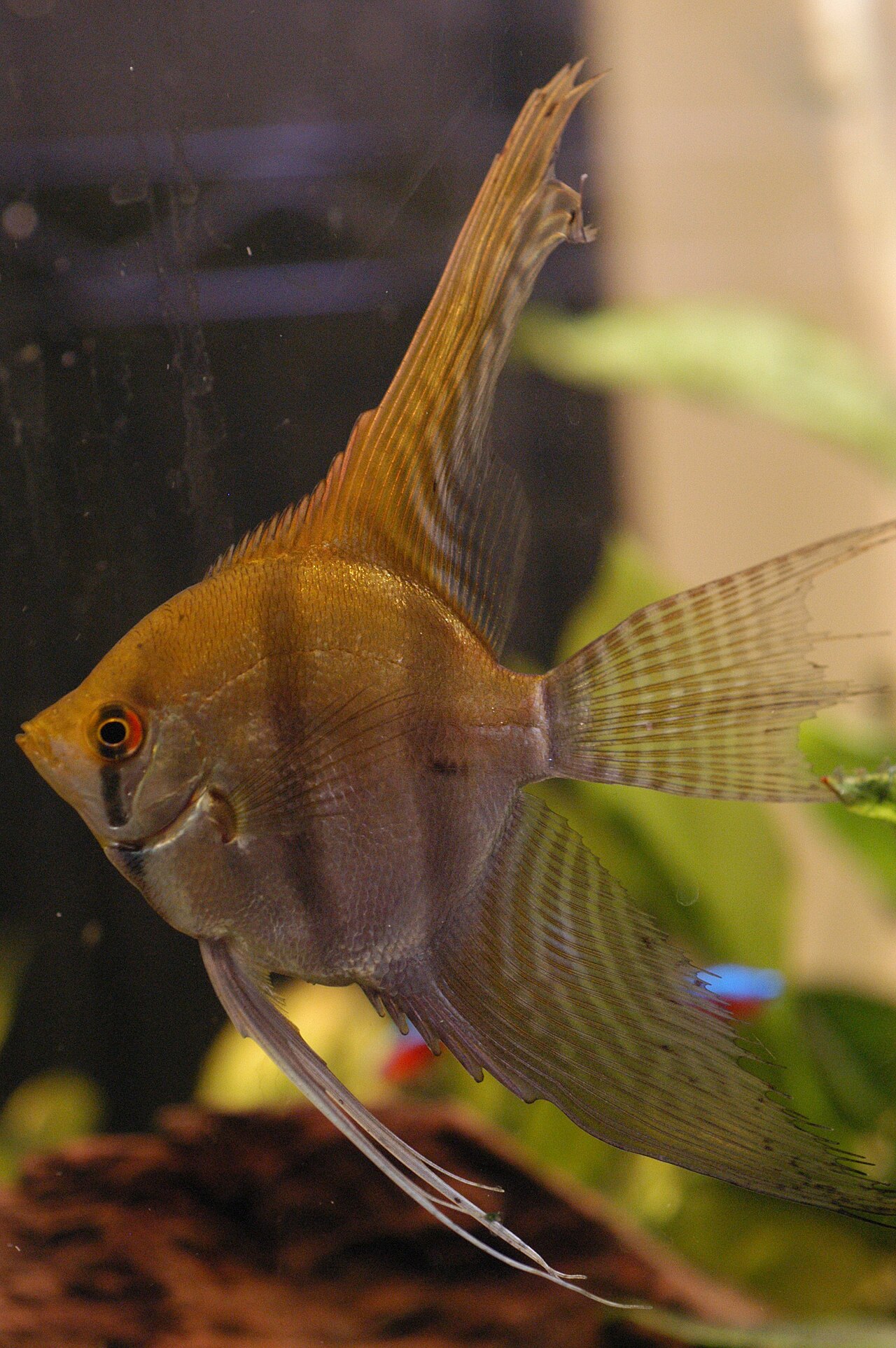
Mollies and angelfish get along reasonably well as long as the water is not brackish and the molly population stays controlled. Mollies reach 3 to 4.5 in (7.5 to 11 cm), which puts them safely above the swallow threshold, and their short fins give an angelfish nothing to grab. Sailfin mollies are the exception, since that tall dorsal fin invites nipping.
The real problem is breeding. Mollies are livebearers that drop 20 to 60 fry every four to six weeks, and angelfish will eat every one of them. Some keepers treat this as free live food, which is fine, but it means the molly population never grows and the tank carries a constant bioload spike. Keep all male mollies if that bothers you. More on molly care and their breeding habits.
Water hardness is the other consideration. Mollies prefer harder, more alkaline water than wild type angelfish, though tank bred angelfish from commercial stock adapt to a wide range. Aim for the middle: 7.0 to 7.6 pH and moderate hardness serves both.
Rasboras, Rainbowfish, and Other Mid-Water Options
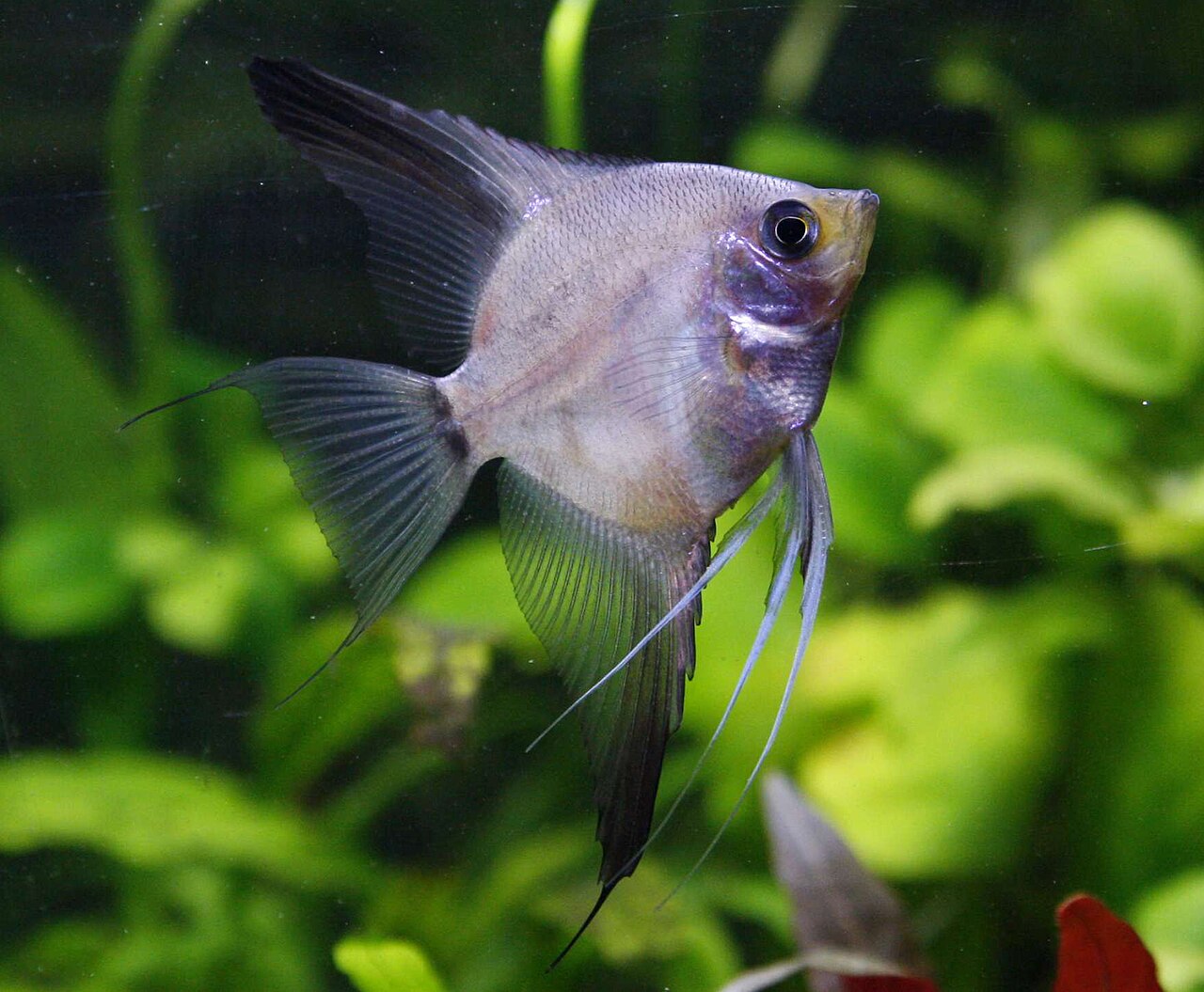
Harlequin rasboras are the best small schooler for an angelfish tank. At 1.75 in (4.5 cm) they are borderline on size, but their deep copper bodies and tight schooling behavior make them a difficult target, and a group of ten or more in a planted tank rarely loses members to a single angelfish.
Boesemani and turquoise rainbowfish are the safer upgrade. They reach 3 to 4 in (7.5 to 10 cm), swim constantly, and are entirely uninterested in fins. Their only drawback is activity level, since a fast moving school can make a shy angelfish hang back at feeding time. Feed at two spots in the tank to even that out.
Dwarf gouramis and pearl gouramis also work, with one caveat: both are slow, top dwelling, and somewhat territorial, so give them a 40 gallon breeder footprint or larger before adding them to an angelfish tank.
Bottom Feeders: Plecos, Loaches, and Snails
Bristlenose plecos (Ancistrus species) are the right pleco for this job. They top out near 5 in (13 cm), eat algae and sinking wafers, and their armored plating makes them effectively angelfish proof. Common plecos are a mistake for a different reason: they reach 18 in (45 cm) and outgrow almost every home aquarium.
Kuhli loaches work well and are genuinely entertaining, though they hide so effectively that you may see them only at night. Yoyo loaches and clown loaches both get too large or too boisterous for a standard angelfish community.
Nerite snails and mystery snails are safe. Angelfish may pick at antennae but cannot do real damage to a shelled snail. Amano shrimp survive at adult size in a heavily planted tank; cherry shrimp do not, and neither do their offspring. If you want a cleanup crew rather than a snack bar, read what aquarium snails eat and how shrimp feed before stocking.
Can I Put 2 Angelfish in a 10 Gallon Tank?
No. Two angelfish in a 10 gallon tank is not workable even temporarily, and it is the most common stocking mistake with this species. An adult angelfish reaches 6 in (15 cm) in body length and up to 8 in (20 cm) from dorsal tip to anal fin tip, which is taller than the water column in a standard 10 gallon.
The minimum for a single angelfish is 29 gallons, and 20 gallons high only works for a juvenile you plan to move. For a pair, 40 gallons is realistic, and for a group of five or six, a 55 gallon or larger tank with a footprint of at least 48 in (122 cm) gives them room to establish separate territories.
Height matters as much as volume for this species. A 40 gallon breeder is wide but shallow, which suits most fish and cramps angelfish. When two tanks hold the same water, pick the taller one.
How Many Angelfish Should Be in a Tank Together?
Keep either one angelfish, a bonded pair, or a group of five or more. The numbers in between cause the trouble. Three or four angelfish in a tank almost always resolve into one dominant pair plus one or two fish that get relentlessly chased into a corner, stop eating, and die or need rehoming.
A group of five or more spreads aggression across enough targets that no single fish absorbs it all. This is the same dynamic that governs many cichlids, and it needs real space: figure 10 gallons per angelfish beyond the first two, plus line of sight breaks from tall plants and driftwood.
Angelfish sold at 1 in (2.5 cm) cannot be sexed reliably, which is why most keepers buy six juveniles and let a pair form naturally, then rehome the rest. Plan that rehoming before you buy, not after.
Is It Okay to Keep Just One Angelfish?
Yes, keeping a single angelfish is perfectly fine and is often the easiest way to run a mixed community tank. Angelfish are not obligate schoolers as adults, and a lone individual shows no signs of stress when it has enough space, structure, and interaction with other species in the tank.
A single angelfish is also the most tank mate friendly configuration. Without a mate to defend or a spawning site to guard, the fish patrols less, and species that would fail alongside a breeding pair often do fine. Most of the safe pairings listed above assume one angelfish or a well spaced group, not a pair with eggs.
The one thing a solo angelfish needs is visual complexity. Bare tanks make this species skittish, and a skittish angelfish bolts into the glass. Tall swords, vallisneria, and vertical driftwood give it cover and an obvious territory.
Will Angelfish Eat Baby Angelfish?
Angelfish will eat their own fry, and so will every other fish in the tank. First time parents frequently eat an entire spawn, sometimes within hours of the eggs hatching, and that is normal rather than a sign of poor health. Experienced pairs often raise later spawns successfully once the routine is established.
If you want the fry to survive, pull the spawning slate or leaf into a separate 10 gallon tank with an air driven sponge filter and a few drops of methylene blue. The alternative is accepting that a community tank converts angelfish eggs into food, which keeps the population stable without any intervention from you.
Be aware that a spawning pair becomes a different fish socially. The gentlest angelfish in the tank will drive corydoras off the bottom and pin a pleco behind the filter once there are eggs to defend. Plan a divider or a spare tank if your pair spawns regularly.
Are Angelfish Hard to Keep Alive?
Angelfish are moderately easy to keep, not beginner proof and not difficult. They tolerate a wide pH range from 6.5 to 7.8, adapt to most tap water once dechlorinated, and eat readily. The main hazards are temperature swings, poor water quality in an undersized tank, and the parasitic and bacterial infections that follow both.
Keep the tank at 78 to 82 F (25 to 28 C) with a reliable heater, change 25 percent of the water weekly, and quarantine new fish for two weeks. Angelfish are prone to hexamita, which shows up as pitting on the head and a white stringy waste, usually triggered by stress and poor diet rather than a sudden infection.
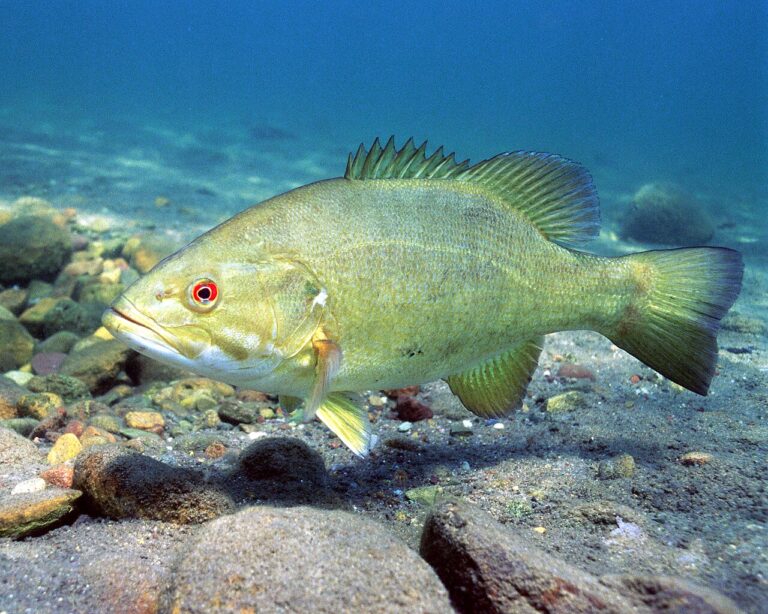
Feed a varied diet: a quality cichlid pellet as the base, plus frozen bloodworms, brine shrimp, and blanched vegetable matter two or three times a week. Species profiles and distribution data for Pterophyllum scalare are available through FishBase. For a contrasting freshwater setup that runs cooler and harder, see comet goldfish care and the pond focused green sunfish profile.
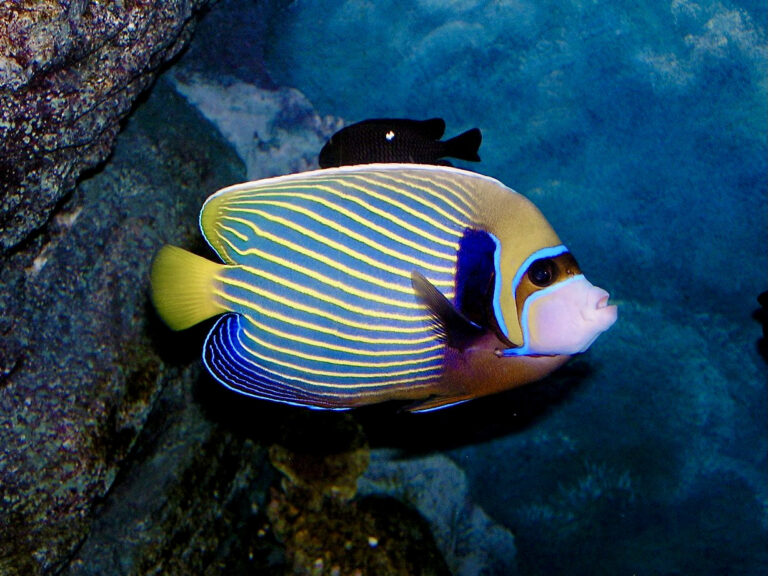
Related reading: Emperor Angelfish Care.
Related reading: French Angelfish.
Related reading: Queen Angelfish.
Frequently Asked Questions
What is angelfish’s favorite food?
Frozen or live bloodworms are the food angelfish respond to most enthusiastically, followed by brine shrimp and blackworms. Use them as a supplement two or three times a week rather than a staple. A quality cichlid or tropical pellet should make up the base of the diet, since an all bloodworm diet causes bloating and digestive problems.
What are angelfish tank mates for a 20 gallon tank?
A 20 gallon high tank holds one juvenile angelfish plus a group of six corydoras or a small school of harlequin rasboras, and that is close to the limit. Plan on moving the angelfish to a 29 gallon or larger tank within six to eight months, because a 20 gallon cannot house an adult long term.
Can angelfish live with guppies?
Not reliably. Guppies reach only 1.5 in (4 cm), and the males carry exactly the kind of long, colorful trailing fin that angelfish nip. Adult angelfish also eat guppy fry constantly. Some keepers report success with large female guppies in heavily planted tanks, but it is a pairing that fails more often than it works.
Do angelfish and bettas get along?
No. This is one of the worst common pairings. Both fish claim the upper water column, both have long fins, and both will nip. A betta’s flowing fins are an obvious target for an angelfish, while a determined betta can damage an angelfish’s ventral filaments. Keep them in separate tanks.
Will angelfish eat neon tetras?
Adult angelfish eat neon tetras. A neon tops out at about 1.5 in (4 cm), which fits comfortably in the mouth of a 5 in (13 cm) angelfish. The pairing survives while the angelfish is young and fails as it matures, usually with tetras vanishing overnight rather than obvious attacks during the day.
How do I know if my angelfish is stressed?
Watch for clamped fins, dark vertical stress bars, hiding behind the filter, refusing food, and rapid gill movement. Angelfish also lose color when stressed, going pale or blotchy. Check temperature and ammonia first, then look at tank mates, since sustained bullying from a pair or a nipper produces exactly these signs.