Mouse Lifespan: How Long Mice Live Wild, Pet, and in Labs
The mouse lifespan depends almost entirely on where the mouse lives. A house mouse (Mus musculus) in your walls rarely survives past 12 months, while the same species in a cage with food, warmth, and no predators regularly reaches 2 years. Lab colonies push that further, and a few record holders have passed 4 years under controlled conditions.
That spread confuses people who read one number and apply it everywhere. A pest control page quoting “6 months” and a pet care page quoting “2 years” are both correct, because they are describing two completely different sets of survival odds. Below is what each environment actually produces, what kills mice early, and what you can change if the mouse in question is a pet.
Most house mice live 12 months or less in the wild, where predators, cold, and starvation kill the majority before their first birthday. Pet mice kept indoors average 18 to 24 months, and well cared for individuals reach 3 years. Laboratory mice on restricted diets have lived past 4 years.
| Setting | Typical lifespan | Maximum recorded | Main cause of death |
|---|---|---|---|
| Wild, outdoors | 3 to 6 months | About 1 year | Predation, cold, starvation |
| Wild, inside a heated house | 9 to 12 months | About 2 years | Traps, poison, predation by cats |
| Pet mouse, standard care | 18 to 24 months | 3 years | Tumors, respiratory disease |
| Laboratory mouse | 24 to 30 months | Over 4 years | Age related tumors |
| Deer mouse (Peromyscus maniculatus) | 4 to 12 months wild | Over 5 years captive | Predation |
What Is the Lifespan of a House Mouse?
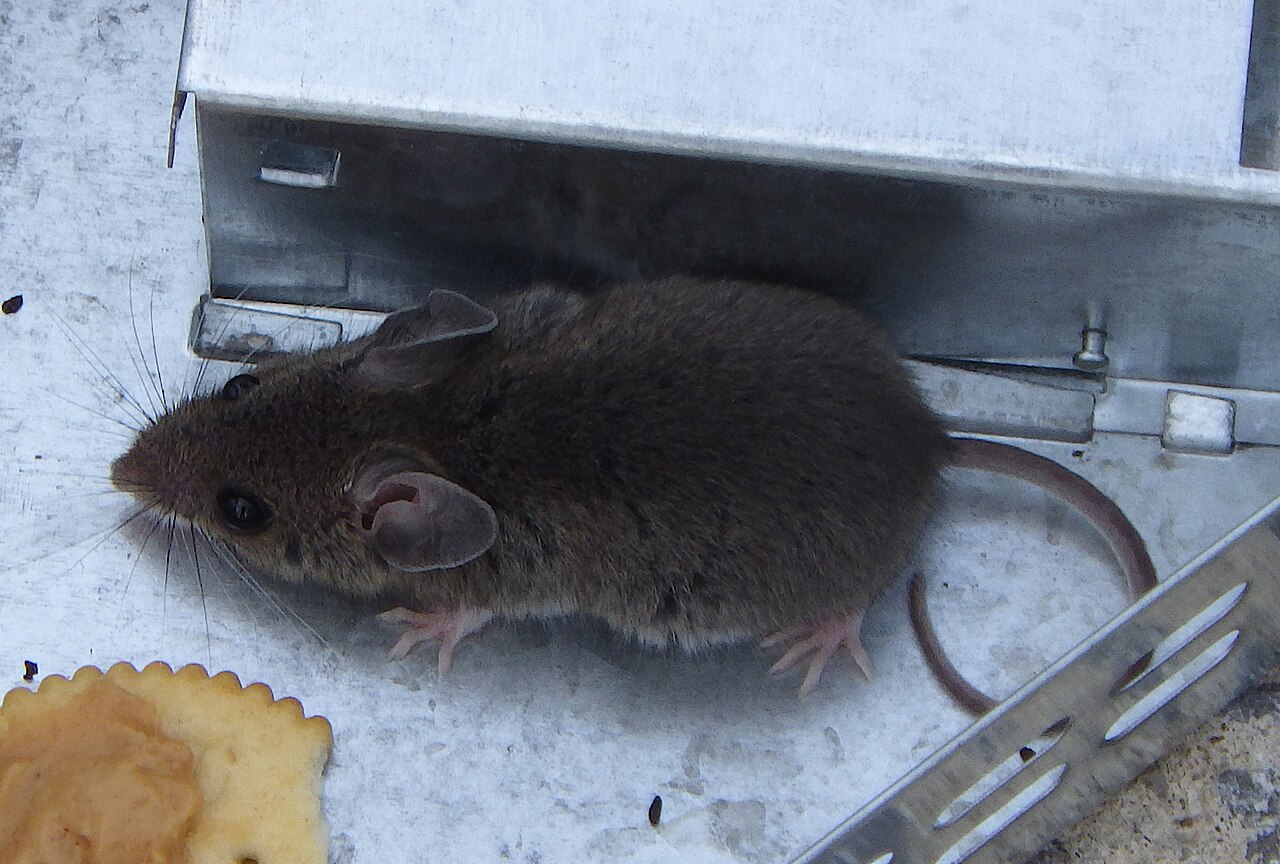
A house mouse living inside a building typically survives 9 to 12 months, and one living outdoors usually dies within 6 months. The species is built for fast turnover rather than long life: a female can breed at 6 weeks old and produce 5 to 10 litters a year, so the population replaces itself faster than individuals age out of it.
Indoor mice do better than outdoor mice for three reasons. Temperature stays constant, food is available year round, and the main outdoor predators cannot reach them. What replaces those threats is human pressure, which is why an established indoor population still shows the same short average age. Very few individual house mice in any setting ever reach 24 months.
How Long Do Pet Mice Live?
Pet fancy mice average 18 to 24 months, with 3 years as a realistic ceiling for an exceptionally healthy animal. That is shorter than most first time owners expect, and shorter than nearly every other small pet mammal. A rat will outlast a mouse, which surprises people who assume the bigger rodent burns out faster; see our breakdown of the rat lifespan for the comparison.
The gap between a 14 month mouse and a 30 month mouse comes down to genetics, cage conditions, and tumor load. Mice bred for color and coat in the pet trade carry a heavy cancer burden, and females are especially prone to mammary tumors. Buying from a breeder who tracks longevity rather than coat pattern is the single biggest lever an owner has.
Can a Mouse Live 7 Years?
No, a mouse cannot live 7 years. The verified record for a laboratory mouse sits just past 4 years, achieved in a dwarf strain under caloric restriction, and no pet mouse has come close to that. Claims of 7 year old mice almost always involve a misidentified animal, usually a rat or a gerbil, or a pet shop replacement the owner never noticed.
Comparing across species makes the ceiling obvious. A rodent that size simply runs a metabolism too fast to sustain a seventh year, and the aging research collected by the National Center for Biotechnology Information treats mice as a short lived model precisely for that reason. A squirrel lifespan of 6 to 10 years is roughly the upper limit for small wild rodents, and squirrels are many times heavier.
Next question: What Do Mice Eat? Wild, House & Pet Diet Guide
How Long Do Lab Mice Live?

Laboratory mice commonly live 24 to 30 months, because they receive a controlled diet, sterile housing, veterinary care, and complete protection from predators. Median survival varies by strain: C57BL/6 mice, the most widely used line, typically reach about 2.5 years, while some inbred strains carrying tumor predispositions die well before 18 months.
Caloric restriction is the one intervention that reliably extends the number. Mice fed 30 to 40 percent below free feeding intake live significantly longer than littermates fed to appetite, and the record holders all came from restricted colonies. That result is the foundation of most rodent aging research, and it is why lab figures should never be read as a promise for a pet mouse.
Why Wild Mice Die So Young

Predation kills more wild mice than every other cause combined. Owls, hawks, foxes, snakes, weasels, and domestic cats all hunt mice, and a mouse offers no defense beyond speed and cover. In open habitat, a mouse that leaves shelter in daylight is often dead the same day, which is why the species is strictly nocturnal.
Winter takes the rest. A mouse weighs about 0.7 oz (20 g) and loses body heat fast, so it needs to eat roughly 15 to 20 percent of its body weight daily just to stay warm. A cold snap that buries the seed supply is fatal within days. The same predator pressure shapes survival across small prey mammals, though larger animals absorb it better; compare the fox lifespan on the predator side of that equation.
Mouse Lifespan by Species
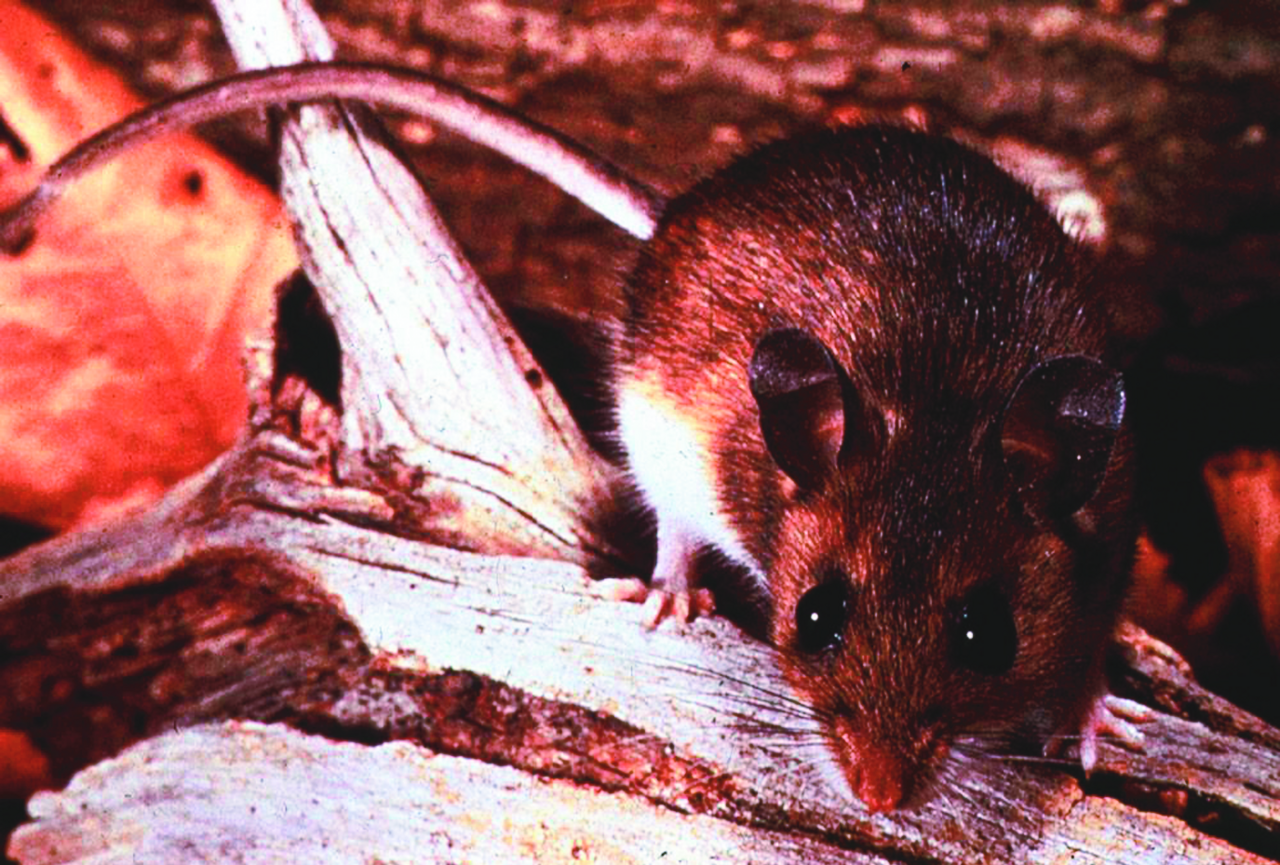
House mice are not the only mice in American homes and yards, and the species differ in how long they live. The deer mouse (Peromyscus maniculatus) averages 4 to 12 months in the wild but has reached over 5 years in captivity, a far higher ceiling than Mus musculus ever shows. The white-footed mouse (Peromyscus leucopus) runs a similar pattern, rarely surviving two winters outdoors.
Identification matters here beyond curiosity, because deer mice are the primary carrier of hantavirus in North America while house mice are not. A deer mouse has a sharply bicolored tail, brown above and white below, large eyes, and a white belly with a clean dividing line. House mice are uniformly gray brown with a nearly naked tail. Voles, often called field mice, are stockier with short tails and rarely live past 12 months at all.
Does 2 Mice Mean an Infestation?
Two mice usually do mean an infestation, because mice are social and rarely travel alone. Seeing two in the open suggests a resident group, since mice avoid exposure unless the sheltered space is already crowded or the food there has run out. A single sighting in fall can be one animal moving indoors, but two is a pattern.
Droppings settle the question faster than sightings do. A single mouse produces 50 to 75 pellets a day, so a fresh scattering across several rooms indicates more than one animal. Our guide to mouse poop covers how to read freshness and quantity, and rat poop vs mouse poop helps you confirm which rodent you are dealing with before you set anything.
What Foods Are Toxic to Mice?
Chocolate, onion, garlic, raw beans, rhubarb leaves, walnuts, and anything containing xylitol are toxic to mice and should never enter a cage. Citrus fruit causes digestive upset in quantity, and raw sweet potato contains compounds that irritate the gut. Salted, fried, or sugary human snacks do slow damage rather than acute poisoning, shortening life through obesity and liver strain.
The better question for an owner is what to feed instead. A quality lab block or seed free mouse pellet should form the base, with small amounts of fresh vegetables, cooked egg, and occasional sunflower seed as enrichment. Seed mixes let a mouse pick out the fatty pieces and skip the rest, which produces a mouse that is both overweight and malnourished.
What Is Mouse Popcorning?
Mouse popcorning is the sudden vertical hop a healthy mouse makes when it is excited, often repeated several times in a row. Young mice do it most, usually during play, at feeding time, or when a familiar hand enters the cage. It looks alarming the first time because the animal appears to launch straight up with no run up.
Popcorning is a positive sign, not a seizure, and it correlates with good welfare rather than distress. What should concern an owner is the opposite: a mouse that stops moving during its active hours, sits hunched, or stays out of the nest without grooming. Those are the behaviors that precede the illnesses that actually shorten a mouse lifespan.
Do Mice Get Attached to Humans?
Mice do form attachments to the people who handle them, though the bond looks nothing like a dog’s. A regularly handled mouse learns to recognize a specific person’s scent and voice, approaches the cage door when that person arrives, and will climb onto an offered hand without being cornered. Mice handled only at cleaning time stay skittish for life.
Building that response takes about 2 weeks of short daily sessions with food rewards. Scoop from below rather than grabbing from above, because an overhead hand reads as a raptor to any prey animal. Owners who compare notes with rabbit keepers will find the taming curve similar, if faster; the Holland Lop lifespan article covers the same trust building on a longer timeline.
Do Mice Hate a Clean House?
Mice do not hate a clean house, they hate a house with no food and no cover. A spotless kitchen with an open bag of rice in a low cabinet is still a mouse paradise, and a cluttered garage with nothing edible in it is not. Cleaning removes crumbs, which helps, but sanitation alone has never evicted an established population.
Sealing does the actual work. A house mouse fits through a gap of about 0.25 in (6 mm), roughly the width of a pencil, so steel wool and sealant around pipe entries, door sweeps, and vent screens matter more than any amount of scrubbing. Public health guidance from the Centers for Disease Control and Prevention puts exclusion first for the same reason.
Do Mice Like Being Petted?
Tame mice tolerate and often enjoy being stroked along the back and behind the ears, but almost none enjoy having the belly or tail touched. Preference is individual: some mice settle in a cupped hand within seconds, others never sit still longer than a few moments, and forcing the issue costs you the progress you made.
Read the tail. A relaxed mouse holds it loosely and keeps grooming or sniffing while you touch it. Rapid tail flicking, flattened posture, or a sudden freeze means stop. Handling a mouse that is signaling stress raises corticosterone, and chronically stressed mice in study conditions show measurably worse health outcomes with age.
Can Mice Hear Humans Talk?
Mice hear human speech easily, and they hear a great deal that we cannot. Their range extends to roughly 80 kHz, well into ultrasound, and they communicate with each other in ultrasonic calls that are entirely silent to us. Human conversation sits at the low, quiet end of what a mouse registers, which is why a pet mouse learns a specific voice.
That sensitivity has a downside indoors. Televisions, ultrasonic pest devices, and some electronics produce noise in the mouse range continuously, and a cage placed next to them sits in permanent acoustic stress. Position a mouse enclosure away from screens and speakers, on a surface that does not transmit vibration from foot traffic.
What Actually Extends a Pet Mouse Lifespan
Four things move the number: diet quality, cage hygiene, genetics, and early veterinary attention. Lab block instead of seed mix, spot cleaning every 2 days with a full change weekly, aspen or paper bedding instead of cedar or pine, and a vet who sees rodents. Cedar and pine shavings release phenols that inflame the respiratory tract, and chronic respiratory disease is a leading killer of pet mice.
Keep the social side right as well. Female mice should live in small groups, while adult males usually must be housed alone because they fight to serious injury. A lonely female mouse declines faster than a housed pair, and injury from male aggression ends more lives than any dietary mistake. The same care logic that stretches a deer lifespan in captivity applies here: remove the stressors, and the genetic ceiling does the rest.
Frequently Asked Questions
How long do mice live without food?
A house mouse can survive roughly 2 to 4 days without food, far less than a rat. Mice get most of their water from what they eat, so food deprivation and dehydration arrive together. In cold conditions the window shrinks to about 48 hours, because the animal cannot maintain body temperature without constant calories.
What is the lifespan of a mouse indoors versus outdoors?
Indoor mice average 9 to 12 months and outdoor mice average 3 to 6 months. The difference is climate and predators, not food quality. Indoors, a mouse avoids winter cold and avoids owls, hawks, and foxes entirely, which removes the two causes responsible for most wild deaths.
What is the white mouse lifespan?
White mice are albino fancy mice, the same species as any other pet mouse, and they live the same 18 to 24 months. Coat color does not affect longevity, though albino animals have poor eyesight and should be handled with extra warning, using voice and scent before touch so they are not startled.
What is the baby mouse lifespan and when do pups mature?
Pups are born blind and hairless, open their eyes at about 13 days, wean at 3 weeks, and can breed at 6 weeks. Mortality in the first 2 weeks is high in the wild, often above half a litter. A pup that survives to weaning faces the same lifespan odds as any adult in its environment.
Do mice live longer than rats or hamsters?
No. Mice have the shortest life of the common pet rodents. Rats typically reach 2 to 3 years, Syrian hamsters 2 to 3 years, and gerbils 3 to 4 years, while mice average under 2. Among longer lived pets the gap widens sharply, with parrots and tortoises measured in decades rather than months.
How can you tell how old a mouse is?
Coat condition and posture are the practical markers. Young mice have sleek dense fur and move constantly, while mice past 18 months develop thin patchy coats, a hunched stance, cloudy eyes, and visible weight loss along the spine. Precise aging is not possible without a birth record from the breeder.