Butterfly Tattoo Meaning: Colors, Species, and Designs Explained
The core butterfly tattoo meaning is transformation: the insect’s complete metamorphosis from crawling caterpillar to winged adult makes it the world’s most widely used symbol of personal change, rebirth, and growth. Beyond that shared foundation, the details do the talking. Color, species, placement, and style each shift the message, so a blue morpho on the shoulder and a small black butterfly behind the ear can carry very different meanings for their wearers.
This guide covers what butterfly tattoos symbolize in general, what each color and popular species means, how cultures from ancient Greece to Mexico read the butterfly, and what the semicolon butterfly and memorial designs express. Whether you are planning your first piece or decoding one you have seen, you will find the meaning layer by layer.
| Element | Common Meaning |
|---|---|
| Butterfly overall | Transformation, rebirth, freedom, hope |
| Blue butterfly | Joy, luck, a rare turning point |
| Black butterfly | Endings, mourning, powerful change |
| Monarch | Endurance, migration, returning souls |
| Semicolon butterfly | Mental health survival, continuing your story |
| Two butterflies | Partnership, love, twin souls |
The Core Symbolism: Transformation and Rebirth
Every butterfly tattoo meaning grows from the same biological fact: no other familiar creature changes as completely as a butterfly. The insect begins as an earthbound caterpillar, dissolves almost entirely inside the chrysalis, and emerges as a different being that can fly. As a tattoo, that life cycle becomes shorthand for surviving a hard chapter, leaving an old identity behind, or marking the moment a person finally became themselves.
That is why butterfly pieces so often commemorate specific turning points: recovery from illness or addiction, leaving a harmful relationship, gender transition, faith milestones, or simply a decade of growth the wearer refuses to forget. The image says the change is finished and permanent, wings instead of a cocoon.
Freedom and hope ride alongside transformation. A creature that once crawled now travels on the wind, which makes the butterfly a natural emblem for independence and optimism about what comes next. Many wearers choose a butterfly in visible flight, wings fully open, precisely to signal that the hardest part is behind them.
Butterfly Tattoo Meaning by Color
Color is the fastest way to sharpen a butterfly tattoo’s message. A blue butterfly signals joy, good luck, and rare fortune, borrowing from how uncommon true blue is in nature; our guide to the blue butterfly covers why that color is so special in living species. Purple leans mystical and regal, tied to spirituality and imagination, a theme the purple butterfly carries in folklore as well.
Black butterfly tattoos are the most misread. Rather than simple morbidity, black usually stands for profound change, mourning transformed into strength, or respect for a loss that reshaped the wearer. White runs the opposite direction, toward purity, spirit, and remembrance, and in several traditions a white butterfly represents a visiting soul, which makes white designs common memorial choices.
Warm colors round out the palette. Red suggests passion, love, and vitality; orange stands for energy, enthusiasm, and creative fire; yellow reads as happiness, friendship, and new beginnings, though older European folklore also linked yellow butterflies to the soul’s journey. Pink adds tenderness and self-love, and multicolor or watercolor wings deliberately refuse one meaning, celebrating change itself as the point.
Meaning by Species and Design
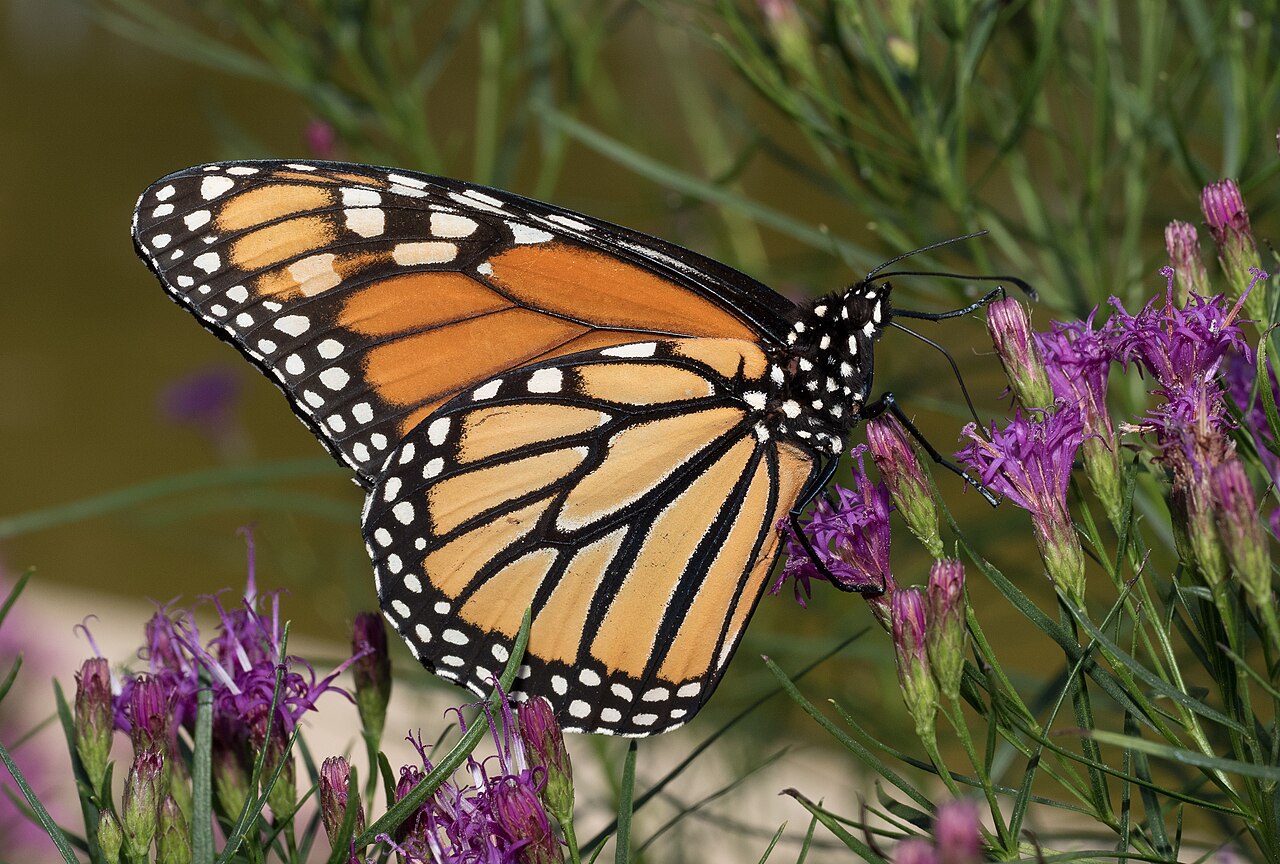
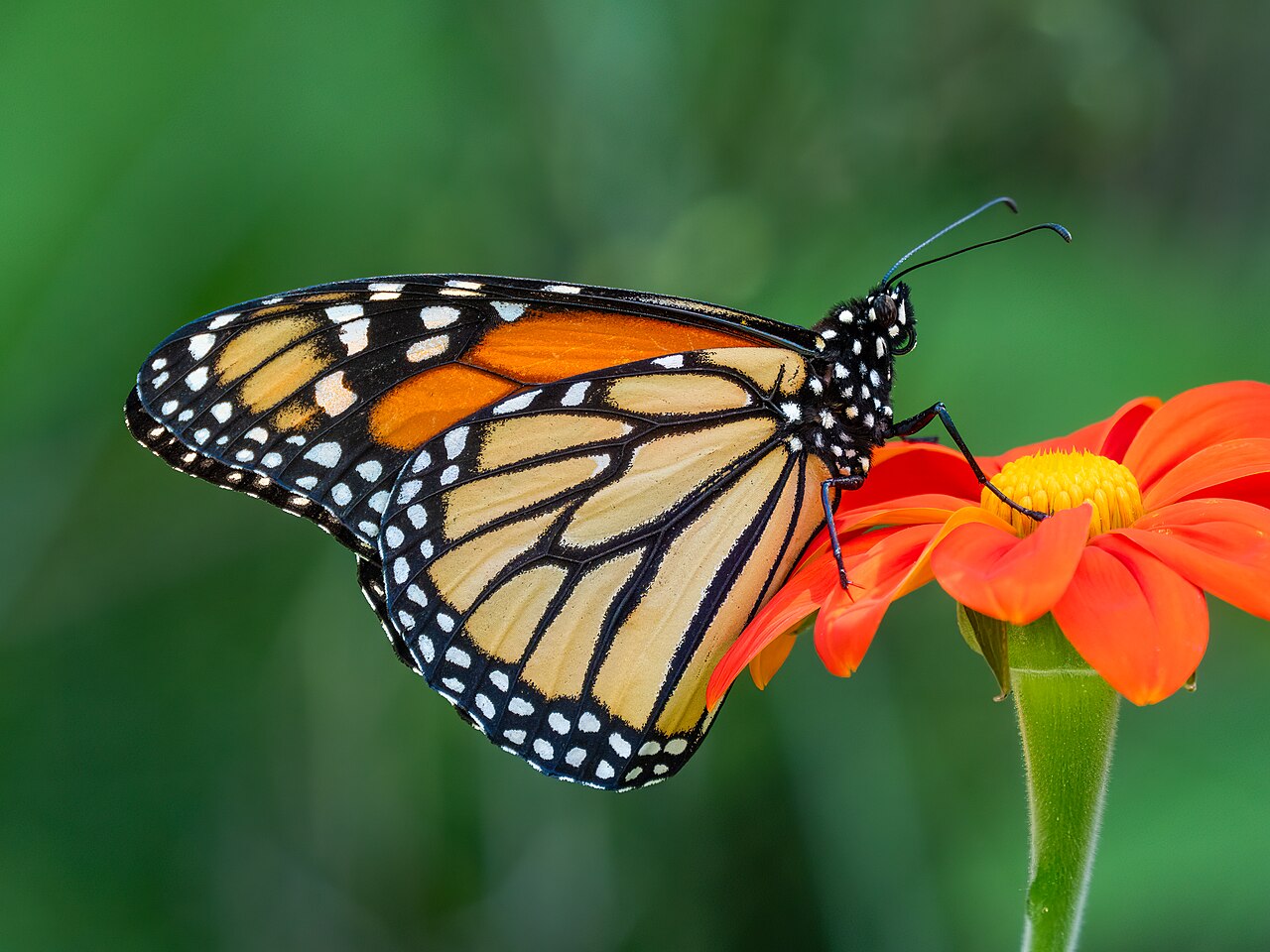
The monarch is the most requested identifiable species, and it carries the richest story. Monarchs migrate up to 3,000 miles between Canada and their Mexican wintering forests, a journey documented by the Smithsonian (si.edu), so a monarch tattoo speaks of endurance, long journeys, and finding your way home. Because the great arrival in Mexico coincides with Dia de los Muertos, monarchs also embody returning ancestors, giving the design a memorial weight no generic butterfly matches.
Swallowtails, with their trailing hindwing tails, symbolize grace and distinction; the giant and black species native to American gardens make elegant large-format pieces, and the swallowtail family offers more recognizable silhouettes than any other group, alongside striking rarities like the green butterfly species. The blue morpho, a jewel of Central and South American rainforests, stands for wonder and rare beauty, its iridescence a favorite challenge for realism artists.
Design details layer further meaning. A butterfly paired with a chrysalis honors the process rather than the result. Half-open wings suggest a transformation still underway. A swarm of small butterflies scattered up an arm often marks multiple chapters or people, one wing beat per milestone, while a single bold specimen declares one defining change.
Cultural Meanings Around the World
The ancient Greeks used one word, psyche, for both “soul” and “butterfly,” and their myth of Psyche, the mortal woman who won immortality through trials of love, is regularly depicted with butterfly wings. That linkage between butterfly and soul echoes through Western art, which is why butterflies appear on gravestones and in memorial tattoos to this day.
In Japan, butterflies represent the souls of the living and the dead, and a pair of butterflies dancing together symbolizes marital happiness, a motif carried into traditional Japanese tattooing alongside cherry blossoms and koi. Chinese tradition reads the butterfly as young love and undying devotion, anchored by the beloved legend of the Butterfly Lovers, two souls transformed into butterflies to remain together.
In Mexico and among many Indigenous peoples of the Americas, the returning monarchs of early November are welcomed as the spirits of ancestors arriving for Dia de los Muertos. Irish and broader Celtic folklore likewise held that butterflies carry souls between worlds, a theme mirrored in the spiritual meaning of black birds, and an old Irish saying claims butterflies are the souls of the dead waiting to pass through purgatory. A butterfly tattoo drawing on any of these traditions is less about the insect than about keeping a connection across that boundary.
The Semicolon Butterfly and Mental Health Meanings
One of the most significant modern designs merges the butterfly with a semicolon, the punctuation mark adopted by the mental health movement to say a sentence could have ended but did not. In a semicolon butterfly tattoo, the semicolon usually forms the body between the wings, combining “my story continues” with “and I have been transformed by surviving it.” Wearers most often carry it for their own battles with depression, anxiety, self-harm, or suicidal ideation, or in solidarity with someone they love.
The pairing works because the two symbols cover different halves of the same journey. The semicolon marks the decision to continue; the butterfly testifies to what continuing made possible. Many people add a date, a word, or a loved one’s handwriting to anchor the piece to a specific turning point.
Placement tends to follow purpose. Wrist and forearm versions serve as daily, visible reminders to the wearer, while ribcage or shoulder placements keep the story private. Because this is a sensitive subject, if the design honors someone else’s struggle, most wearers ask that person first; if it honors your own and the topic feels heavy to carry alone, talking it through with someone you trust is worth as much as the ink.
Memorial Butterfly Tattoos and Grief
Butterflies are among the most common memorial tattoo subjects in the world, and the logic is tender: the design casts death not as an ending but as emergence into another form. A butterfly paired with a name, dates, or a heartbeat line says the person changed rather than vanished, an idea that echoes the soul traditions above. Many mourners also report meaningful butterfly encounters after a loss, and the tattoo fixes that moment in place.
Specific choices carry specific weight. White butterflies dominate memorials for their soul associations, monarchs honor loved ones with Mexican heritage or mark losses around the autumn migration, and a small butterfly in a loved one’s favorite color keeps the reference intimate. Pieces for lost children often use two butterflies, one large and one small, flying together.
Grief symbolism in nature runs deeper than butterflies, and readers processing a loss often explore the wider tradition of birds and insects as messengers; our guide to dead bird symbolism covers the parallel folklore on the avian side. Whatever form it takes, a memorial butterfly is less about the afterlife than about the wearer’s promise to carry the relationship forward.
Placement and What It Signals
Where a butterfly lands on the body shifts its tone. Shoulder and shoulder blade placements, the most popular locations, suggest guardianship and freedom, wings positioned where the wearer’s own would sprout. The wrist and forearm turn the design into a daily reminder the wearer sees constantly, which is why transformation and semicolon pieces cluster there.
Neck and behind-the-ear butterflies read as bold and unmissable, a public declaration of change, while ribcage, hip, and ankle placements keep the meaning close and private. Spine placements, often a vertical trail of butterflies, represent growth over time, each butterfly a chapter climbing upward.
Symmetry deserves a thought too. A butterfly’s mirrored wings make it one of the few designs that sits naturally on the body’s centerline, and sternum or spine butterflies use that symmetry to suggest balance and wholeness. Off-center placements, by contrast, feel candid and personal, like the butterfly simply landed there.
Styles, Combinations, and Choosing Yours
Style is the final meaning layer. Fine line and minimalist butterflies, currently the most tattooed version, emphasize elegance and quiet personal significance. Watercolor styles celebrate change and creativity with deliberately unfinished edges. American traditional butterflies, with bold outlines and saturated color, nod to tattoo history itself, while black and gray realism gives the subject gravity and works beautifully for memorials.
Combinations refine the sentence further. Butterflies with flowers pair transformation with growth and femininity; with a name or birth date, they honor a person; with stars or a moon, they lean celestial and hopeful. The butterfly’s darker cousin carries its own tradition, and readers weighing the two should compare the moth tattoo, which trades daylight optimism for themes of instinct, night, and pursuing the light regardless of cost. Bird designs sit in the same symbolic family, and our bird tattoo meaning guide maps those choices species by species.
Choosing well comes down to one question: which chapter of your story is this butterfly telling? Pick the species, color, and placement that match that chapter, then bring reference photos of real butterflies to your artist, since accurate wing shape and vein detail separate a stunning piece from a generic one. A butterfly tattoo done thoughtfully is not decoration; it is a one-image autobiography.
Related reading: Butterfly Lands on You Meaning.
Related reading: Snake Tattoo Meaning.
Related reading: Wolf Tattoo Meaning.
Related reading: Bee Tattoo Meaning.
Related reading: Fox Crossing Your Path.
Related reading: Deer Crossing Your Path.
Related reading: Koi Fish Tattoo Meaning.
Related reading: Woodpecker Knocking on Your House.
Frequently Asked Questions
What does a butterfly tattoo mean?
At its core, transformation and rebirth, drawn from the insect’s metamorphosis from caterpillar to winged adult. Depending on color, species, and design, it can also express freedom, hope, love, survival, or remembrance of someone who died.
What does a black butterfly tattoo mean?
Usually profound change, mourning turned into strength, or honor for a loss that reshaped the wearer. It is one of the most misread designs; black rarely means anything sinister to the person wearing it.
What does the semicolon butterfly tattoo mean?
It combines the mental health semicolon, meaning “my story could have ended but continues,” with the butterfly’s transformation symbolism. Wearers carry it for surviving depression, self-harm, or suicidal ideation, or in solidarity with someone who has.
What does a monarch butterfly tattoo symbolize?
Endurance, long journeys, and homecoming, based on the monarch’s migration of up to 3,000 miles. Through Dia de los Muertos tradition, it also represents the returning spirits of ancestors, making it a powerful memorial choice.
What do two butterflies in a tattoo mean?
Partnership and lasting love. In Japanese and Chinese tradition a butterfly pair symbolizes marital happiness and devoted souls, and many couples or close siblings wear matching pairs.
Are butterfly tattoos only for women?
No. The symbolism of transformation, survival, and remembrance is universal, and bold styles like American traditional, blackwork, and realism have made butterfly pieces increasingly common on men.
What is the difference between a butterfly and a moth tattoo?
Butterflies symbolize daylight themes: transformation, hope, joy, and rebirth. Moth tattoos lean nocturnal: instinct, mystery, vulnerability, and the relentless pull toward light, with the luna and death’s-head moths as the iconic designs.