Hawk Sound: What That Scream Means and Which Hawk Made It
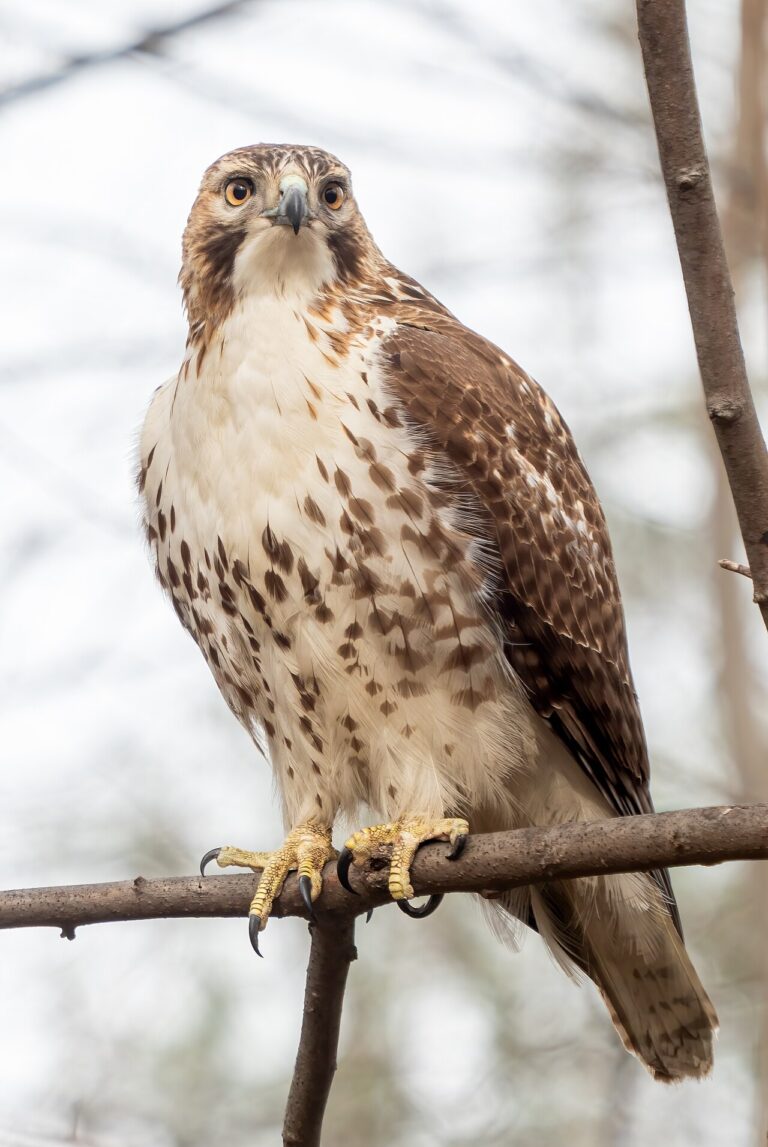
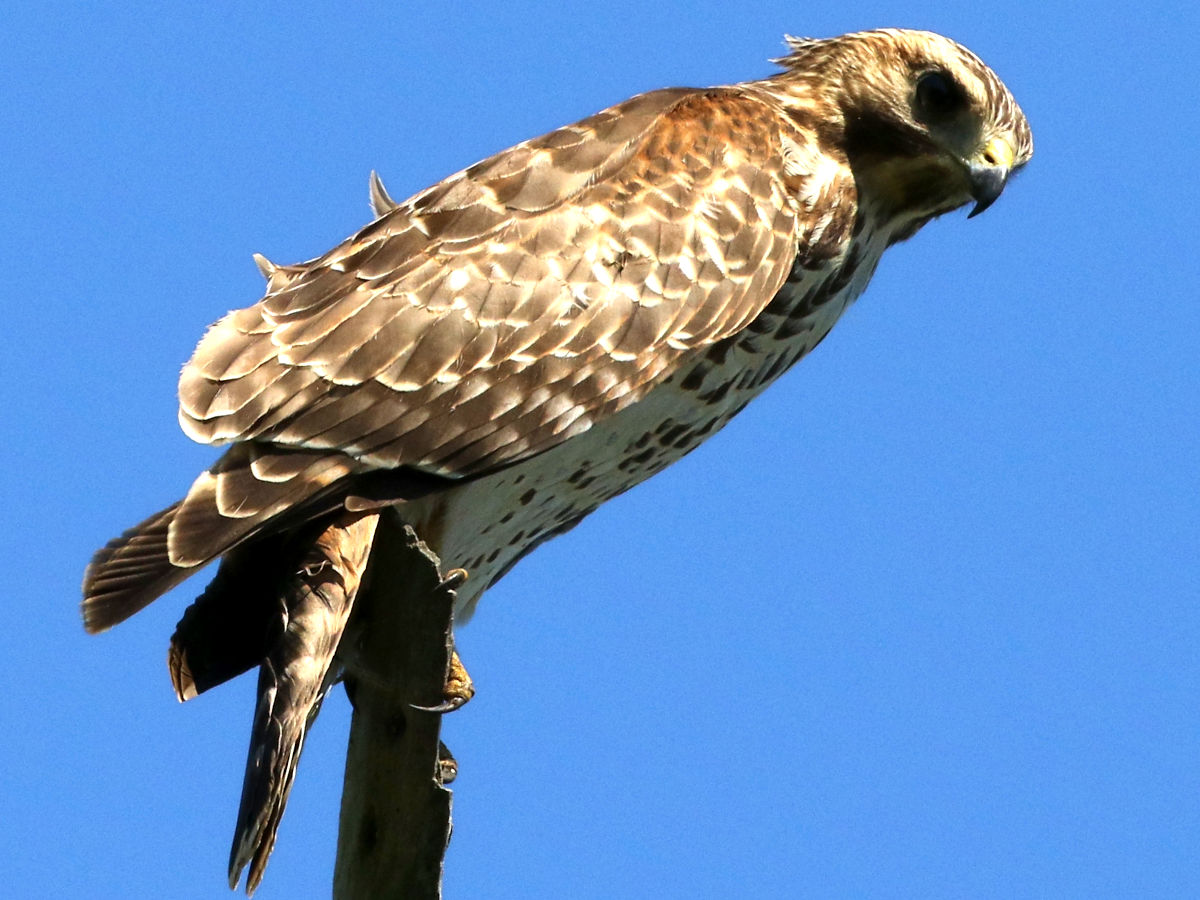
The classic hawk sound is a harsh, descending scream that lasts two to three seconds, and in North America it almost always belongs to the Red-tailed Hawk (Buteo jamaicensis). Once you know that one call, the rest of the hawk soundscape falls into place fast, because the other common species either bark, chatter or whistle instead of screaming.
Hawks are far more vocal than most people expect, especially in late winter when pairs set up territories and again in midsummer when fledglings beg all day. The trick is matching the sound to the bird, since a scream from a soaring Red-tailed Hawk and a nasal series from a Red-shouldered Hawk come from birds that look similar at a distance.
A hawk sound is most often the Red-tailed Hawk’s raspy, two to three second scream, written as keee-eeee-arr, given while soaring or defending territory. Red-shouldered Hawks repeat a nasal kee-ah five to twelve times, Cooper’s Hawks bark cak-cak-cak near the nest, and young hawks whine for food all summer.
What Is the Sound of a Hawk?
The sound of a hawk depends on which of roughly a dozen common North American species is calling, but the one everyone recognizes is the Red-tailed Hawk’s scream: a rough, drawn out keee-eeee-arr that drops in pitch and fades at the end. It carries a long way over open country, which is why you often hear it before you spot the bird circling.
Hawks have no syrinx built for melody, so their calls are simple and piercing rather than musical. That is the opposite of a backyard songbird such as the one described in our guide to cardinal songs and calls, where the whole point of the voice is variety.
| Species | What it sounds like | Written as | When you hear it |
|---|---|---|---|
| Red-tailed Hawk | Harsh scream that drops in pitch, 2 to 3 seconds | keee-eeee-arr | Soaring and territorial disputes, all year |
| Red-shouldered Hawk | Loud nasal call repeated 5 to 12 times | kee-ah kee-ah kee-ah | Late winter and spring, wooded neighborhoods |
| Cooper’s Hawk | Flat, scolding bark in a fast series | cak-cak-cak | Near the nest, spring and summer |
| Sharp-shinned Hawk | Thinner, higher version of the same bark | kik-kik-kik | Nesting season in northern woods |
| Broad-winged Hawk | Thin, whistled note in two parts | pee-teeee | Summer, eastern forest interior |
| American Kestrel | Excited, sharp chatter | klee-klee-klee | Open fields and roadside wires |
| Any young hawk | Drawn out, nagging whine | shreee | July and August, near the nest tree |
The Red-tailed Hawk Scream You Know From Movies
If a film shows a Bald Eagle and you hear a majestic scream, you are listening to a Red-tailed Hawk. Bald Eagles actually produce a weak, stuttering chatter of high whistles, which sound directors decided was not heroic enough, so the hawk’s voice was dubbed in and stayed there for decades.
The swap is so consistent that most Americans have the hawk sound memorized without ever having identified the bird. You can hear the real thing in our breakdown of actual Bald Eagle calls and the difference is immediate.
Red-shouldered Hawks Are the Loud Ones in the Suburbs
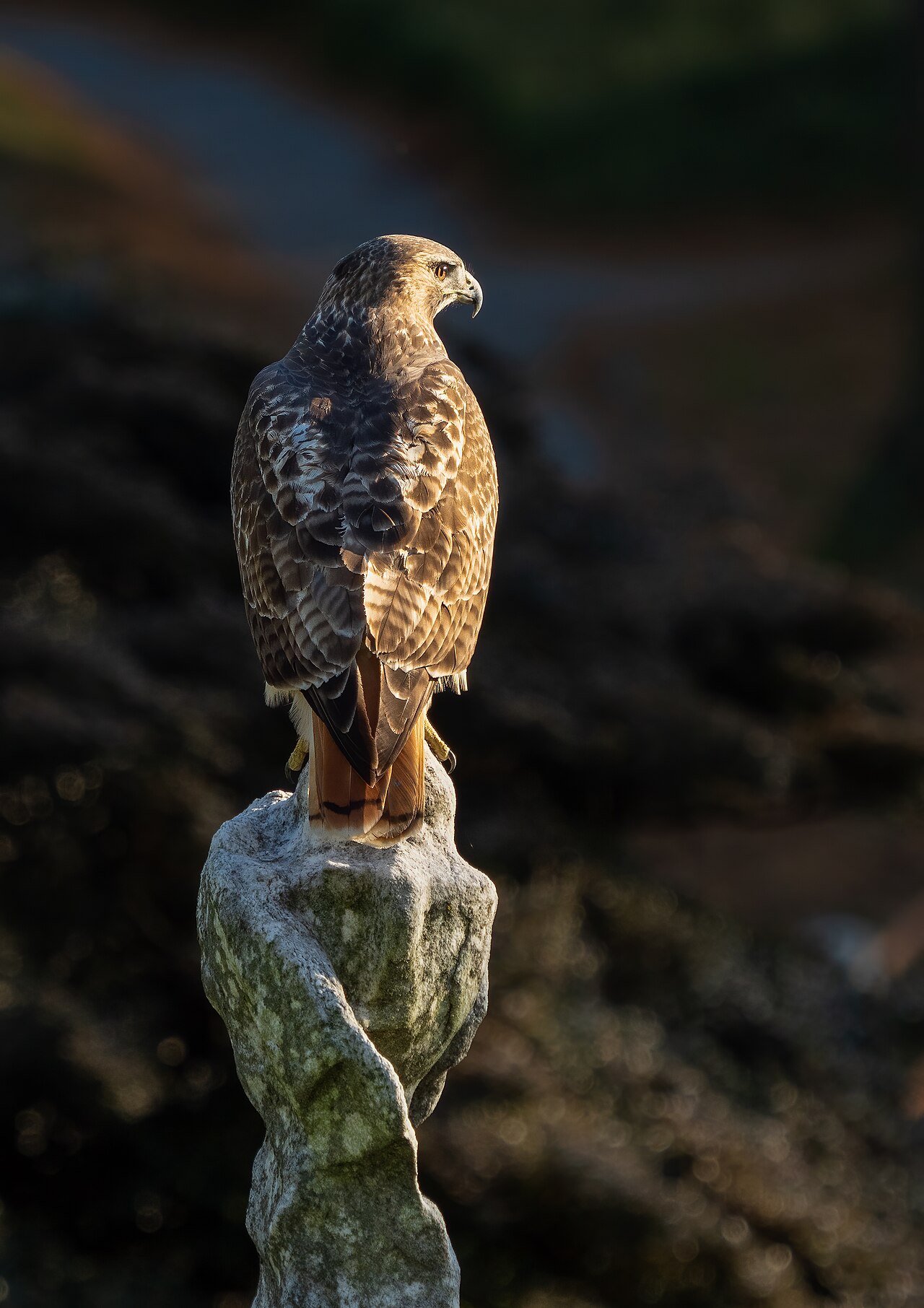
The Red-shouldered Hawk (Buteo lineatus) is the species most often responsible for repeated screaming over a neighborhood. Its call is a clear, nasal kee-ah delivered in a series of five to twelve, often while perched, and pairs answer each other back and forth for minutes at a time.
These hawks favor wooded suburbs with mature trees and creeks, so they are heard far more often than the Red-tailed Hawks that hunt highway medians. If you are unsure which of the two is overhead, the side by side comparison here covers plumage and shape as well as voice.
Cooper’s Hawk and Sharp-shinned Hawk Barks
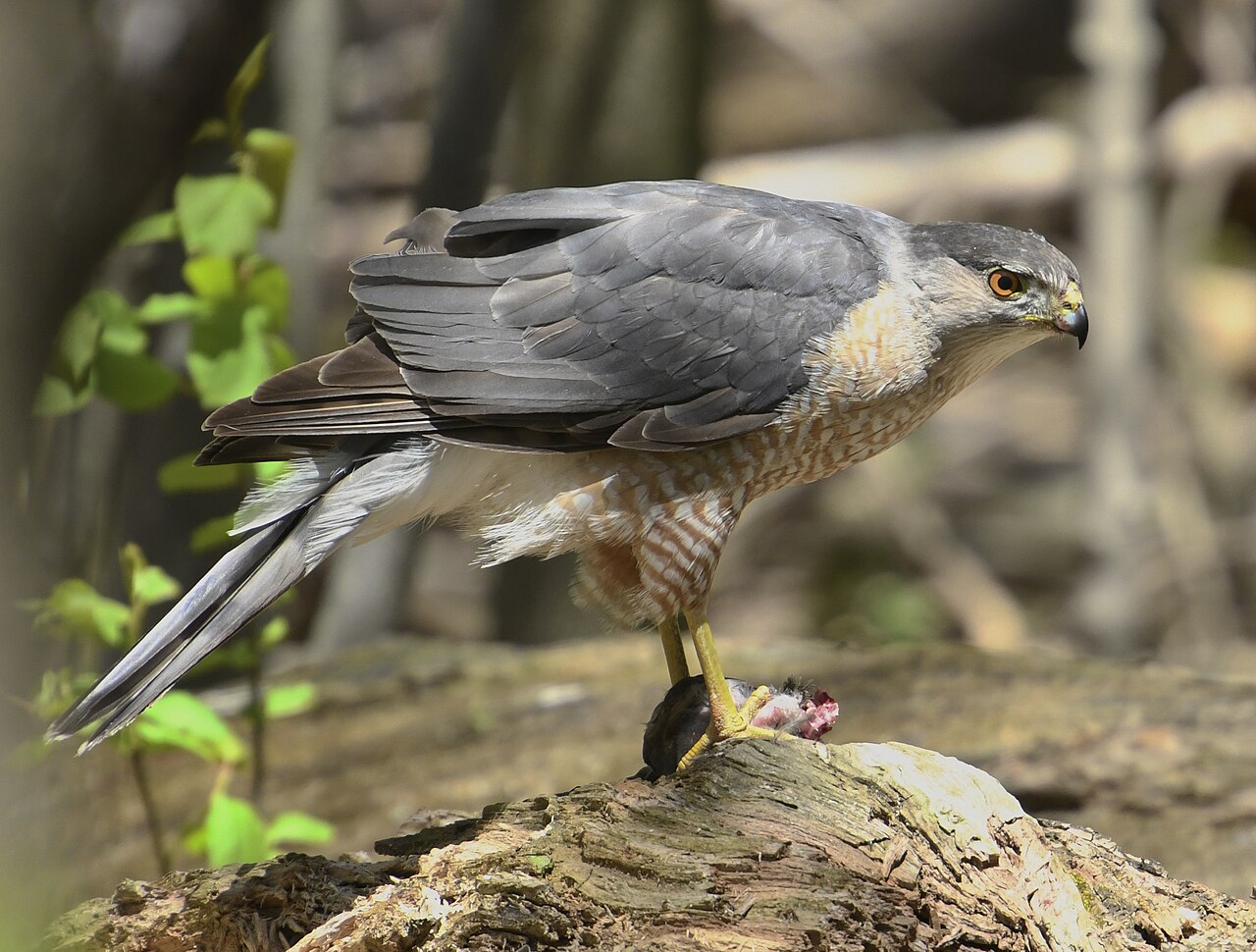
Accipiters sound nothing like buteos. A Cooper’s Hawk (Accipiter cooperii) defending a nest gives a flat, wooden cak-cak-cak that sounds more annoyed than dramatic, usually in bursts of eight to twenty notes. Sharp-shinned Hawks give a faster, higher, thinner version of the same idea.
Both species hunt songbirds at feeders, which is the main reason homeowners meet them. A sudden burst of barking behind the house in May usually means a nest is within a hundred yards (90 m) and the bird is telling you so.
Why Does a Hawk Squawk?
A hawk squawks for three reasons: to claim territory, to keep contact with a mate, and to warn an intruder away from a nest. Territorial screaming peaks from February through April, when pairs circle together over the boundary they are defending.
Alarm calling is sharper and more repetitive than territorial calling, and it tends to come from a perched bird that is watching something. If a hawk screams at you repeatedly and will not leave, you are probably standing under its nest tree and should walk away rather than wait it out.
Hawk Calls While Flying Versus Perched
Soaring birds scream in single, spaced calls, often one every ten or twenty seconds while riding a thermal. That is the sound most people associate with open sky and summer heat, and it is usually a Red-tailed Hawk announcing that the airspace is taken.
Perched birds call in longer runs. A Red-shouldered Hawk in a tree can deliver a dozen calls without a break, and a Cooper’s Hawk near a nest will bark for a minute straight. Pace alone narrows the identification before you ever see the bird.
What Time of Day Are Hawks Most Active?
Hawks are most active from midmorning to late afternoon, roughly 9 a.m. to 4 p.m., because soaring depends on thermals that need warm air to form. That is also when you hear the most calling, especially on clear days with light wind.
Accipiters break this pattern. Cooper’s Hawks hunt hardest in the first two hours after sunrise, when feeder traffic peaks, and they do it quietly. If a hawk is calling at dusk, it is almost certainly a fledgling begging rather than an adult hunting.
What Attracts Hawks to Your Yard?
Three things bring hawks in: prey, perches and cover. Bird feeders concentrate songbirds and draw Cooper’s Hawks, rodents under a shed or compost pile draw Red-tailed Hawks, and tall open perches such as light poles or bare limbs let both species scan the ground.
Removing the perch rarely helps, and taking the feeder down for two weeks is the standard fix if an accipiter has settled in. What the bird is actually hunting is covered in our guide to hawk diets, which matters because the prey tells you which species you have.
What Bird Is Mistaken for a Hawk?
By sound, the answer is the Blue Jay. Jays imitate Red-shouldered Hawk calls well enough to fool experienced birders, and they often do it right before dropping into a feeder, apparently to clear it of other birds. Their full vocal range includes several other convincing copies.
Northern Mockingbirds also work hawk calls into their repertoire. By shape, Mourning Doves and even Common Nighthawks get reported as hawks in flight, and at night the screams people report as hawks are usually Barn Owls, since hawks do not call after dark.
Do Hawk Sounds Scare Birds Away?
Played hawk calls work for a few days and then stop working. Starlings, pigeons and grackles habituate quickly once no predator ever appears, which is why airports rotate several deterrents instead of relying on recordings alone.
The same applies to hawk sounds marketed for keeping cats out of a yard: there is no evidence that a recorded scream deters a house cat. A physical barrier or removing the food source does the job that a speaker cannot.
Related reading: Cardinal Sound.
Related reading: Grackle Sound.
Related reading: Red-Tailed Hawk Sound.
Related reading: Starling Sound.
Related reading: Fish Crow Sound.
Related reading: Nuthatch Sound.
Frequently Asked Questions
What does it mean when a hawk hangs around your yard?
It means your yard has food. A hawk that perches for days is usually working a bird feeder, a rodent population, or both. It is a hunting decision, not a sign of anything unusual, and the bird typically moves on within one to two weeks once the easy prey learns to hide.
How to tell if a hawk is near?
Watch the other birds. Feeders go silent, songbirds freeze in cover, and crows or jays start mobbing and calling loudly. That sudden silence, followed by scolding from jays and crows, is a more reliable signal than any sound the hawk itself makes.
Is it good to have a hawk in your yard?
Yes, on balance. Hawks control rodents and remove sick or slow birds, and all species are protected under the Migratory Bird Treaty Act, so removing one is illegal anyway. The only real cost is losing the occasional feeder bird to a Cooper’s Hawk.
What is a hawk’s biggest enemy?
Great Horned Owls. They take hawk nestlings and will kill adults at the roost, and they often reuse old hawk nests. Beyond owls, the main threats are vehicle collisions, rodenticide poisoning and habitat loss rather than any other predator.
Do male and female hawks sound different?
Slightly. Females are larger and their calls tend to be lower and coarser, while males sound thinner and higher. The difference is audible when a pair calls back and forth over a territory, but it is not reliable enough to sex a single bird by ear.
Where can I find a hawk sound mp3 to compare?
Use a reference library rather than a stock audio site, because stock clips are frequently mislabeled. The Cornell Lab species accounts at All About Birds include verified recordings of each call type, with the location and date of the recording listed.
Once the scream is filed away in your memory, the rest of the sky opens up. The next step is learning the birds that answer back, from the killdeer calling over a parking lot to the mobbing crows that give a hawk away long before it screams.