Butterfly Lands on You Meaning: Spiritual Symbolism Explained
When a butterfly lands on you, folklore across nearly every culture reads it as a rare, personal message rather than random chance, most commonly interpreted as a sign of transformation arriving in your own life, a visiting greeting from a loved one who has passed, or simple good luck singling you out specifically. Because butterflies rarely choose to land directly on a person rather than a flower or leaf, the moment carries outsized symbolic weight precisely because it feels so deliberately chosen.
The biological explanation is far more practical, usually involving sweat, salt, or scent rather than mysticism, but the two explanations are not actually in conflict: a butterfly can land on you for straightforward biological reasons while the moment still carries genuine personal meaning for the person experiencing it. This guide covers the full range of spiritual interpretations across traditions, what the color and species of your visitor might add to the message, and the biological reality behind why it happened at all.
| Interpretation | Common Meaning |
|---|---|
| General landing | Personal message, transformation arriving |
| After a loss | Visit from a departed loved one |
| Landing on your hand | Direct blessing or confirmation |
| Landing near your heart | Emotional healing, love |
| Multiple visits | Repeated message, ongoing guidance |
| Landing during a decision | Encouragement to proceed |
When a butterfly lands on you, it is traditionally a sign of good luck and personal transformation, and many people read it as a visit from a loved one who has passed. The color adds detail: white for peace, yellow for joy, orange for creativity, black for change. Biologically, the butterfly is drawn to the salt in your sweat.
The Core Meaning: A Message Meant for You
Across most spiritual traditions, a butterfly choosing to land directly on a person, rather than simply passing by or resting on a flower, is read as a significant escalation from a general good omen to a personal one, since the physical contact is interpreted as the universe, a spirit guide, or a departed loved one making direct, deliberate contact rather than simply passing through your peripheral awareness.
This elevated interpretation builds on the butterfly’s foundational symbolism of transformation and rebirth, drawn from its dramatic metamorphosis from caterpillar to winged adult, a theme explored in depth in our butterfly tattoo meaning guide. When that transformation symbol makes physical contact with you specifically, many traditions read it as confirmation that a personal transformation you are experiencing, or about to experience, is recognized, supported, or actively unfolding.
The rarity of the event reinforces its perceived significance; most people who spend considerable time around butterflies in gardens or fields never experience one landing directly on their body, making the handful of times it does happen feel deliberately chosen rather than coincidental, a pattern-recognition instinct that runs through nearly every culture’s treatment of unusual animal encounters.
A Visit From a Departed Loved One
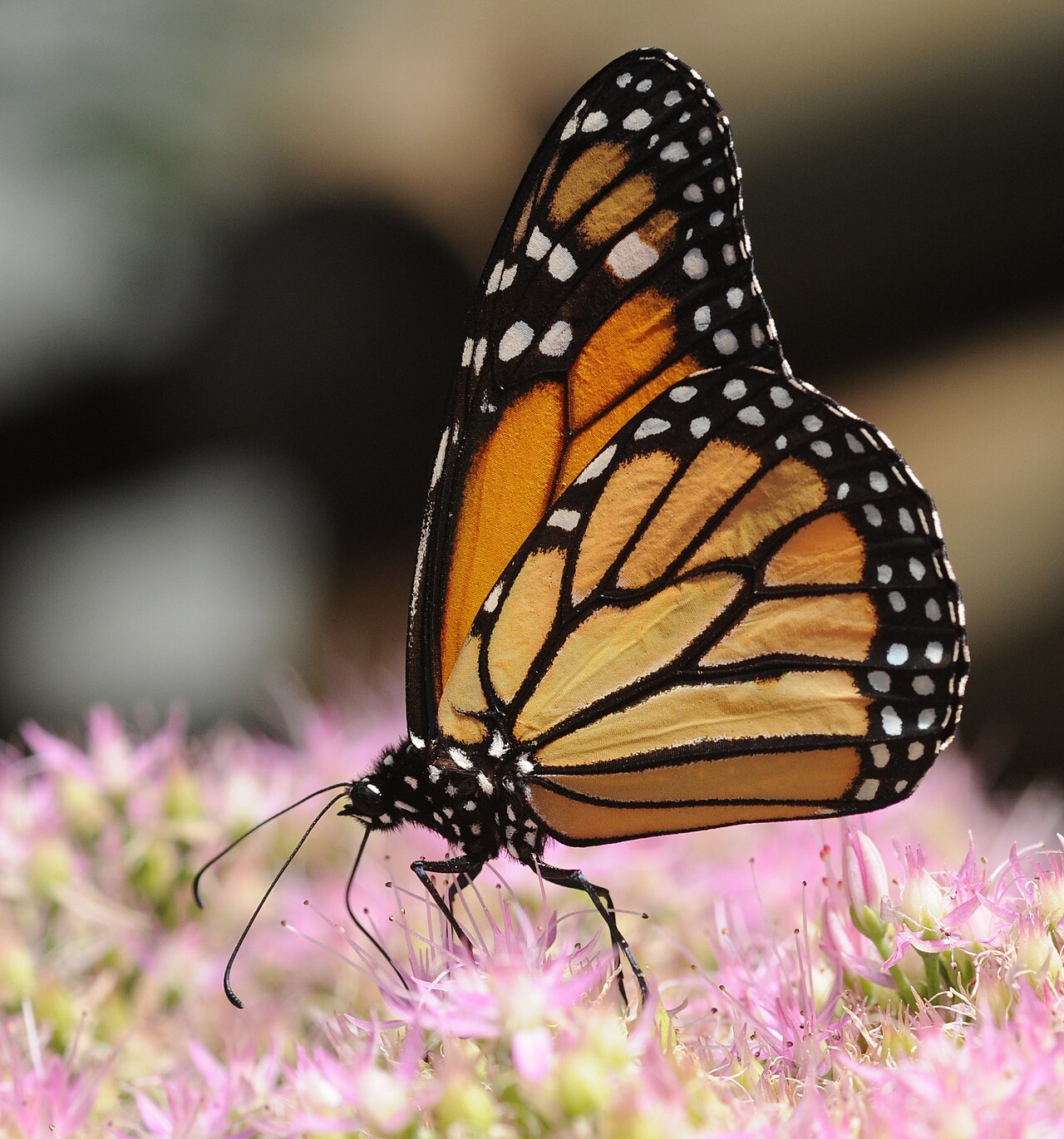
One of the most widespread and emotionally resonant interpretations, found across cultures from ancient Greece to modern Western folk belief, holds that a butterfly landing on you, particularly during or shortly after a period of grief, represents a visit from someone who has died, checking in, offering comfort, or confirming their continued presence in your life.
This interpretation draws on a long-standing association between butterflies and souls found throughout history; the ancient Greeks used the same word, psyche, for both butterfly and soul, and many cultures independently developed similar beliefs linking butterflies to spirits moving between worlds, an association also present in the broader tradition of animal messengers explored in our spiritual meaning of black birds guide.
People experiencing this interpretation often report the encounter occurring at meaningful moments, an anniversary, a difficult day, a moment of missing the person intensely, timing that reinforces the sense of deliberate visitation rather than coincidence, regardless of whether a biologist would attribute the same timing to simple seasonal butterfly activity patterns.
Landing Location: Does It Change the Meaning?
Many spiritual interpretations add nuance based on exactly where on your body a butterfly chooses to land, treating the location as part of the message rather than incidental. A butterfly landing on your hand is frequently read as the clearest, most direct form of blessing or confirmation, since the hand represents action and connection, making this the interpretation most associated with a definitive yes or clear sign regarding a decision or question you have been holding.
A landing near the chest or heart area carries strong associations with emotional matters specifically, love, healing from heartbreak, or reassurance about matters of the heart in the broadest sense, while a butterfly landing on your head is sometimes interpreted as a message concerning your thoughts, decisions, or the mental clarity you need for a situation currently occupying your mind.
These location-specific readings are folk interpretation rather than any kind of formal tradition, and different sources and cultures assign somewhat different meanings to different landing spots, so the specificity matters far less than the overall sense many people carry away: that the encounter felt significant and personally directed, regardless of precisely where contact occurred.
Butterfly Color and Species: Layering the Message
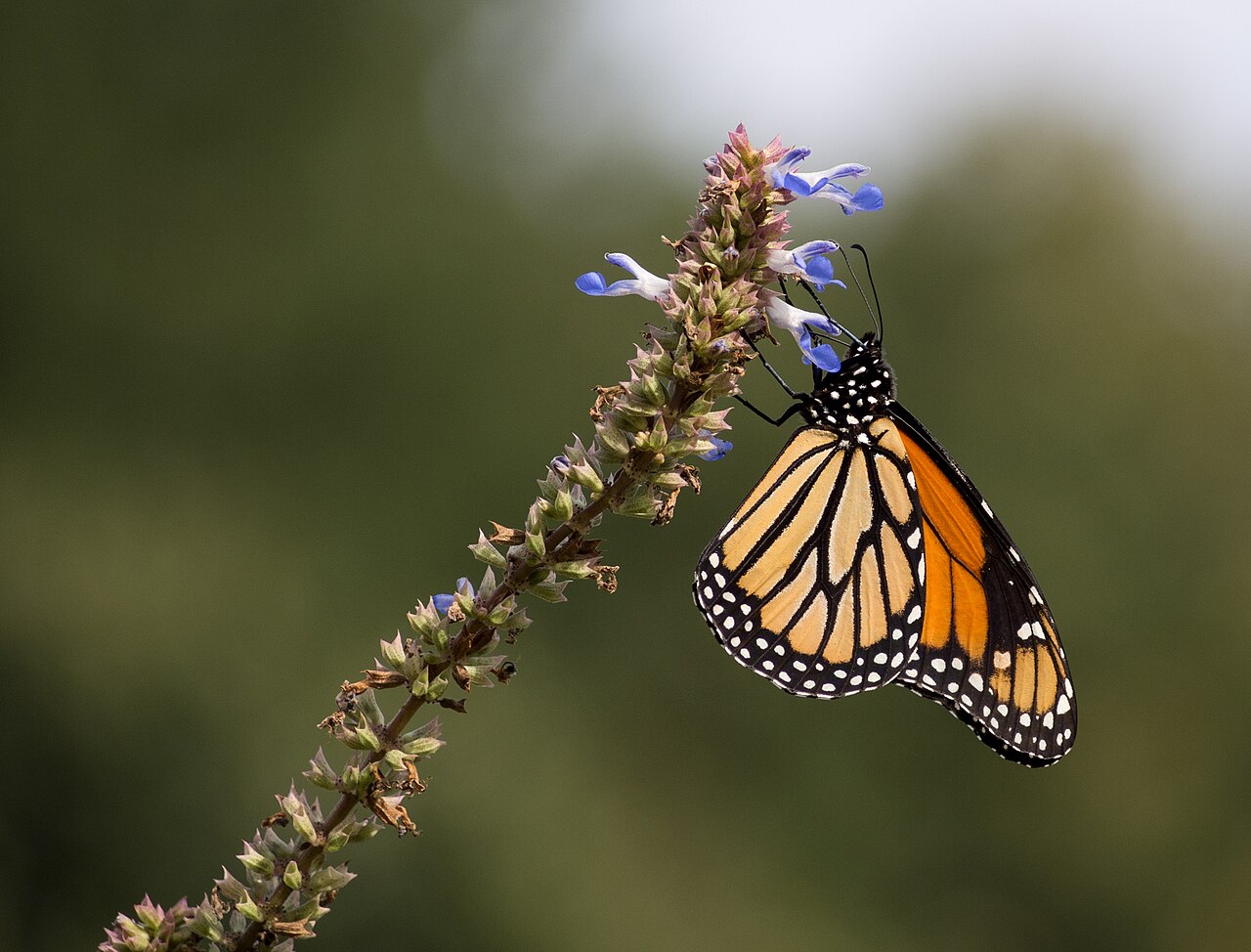
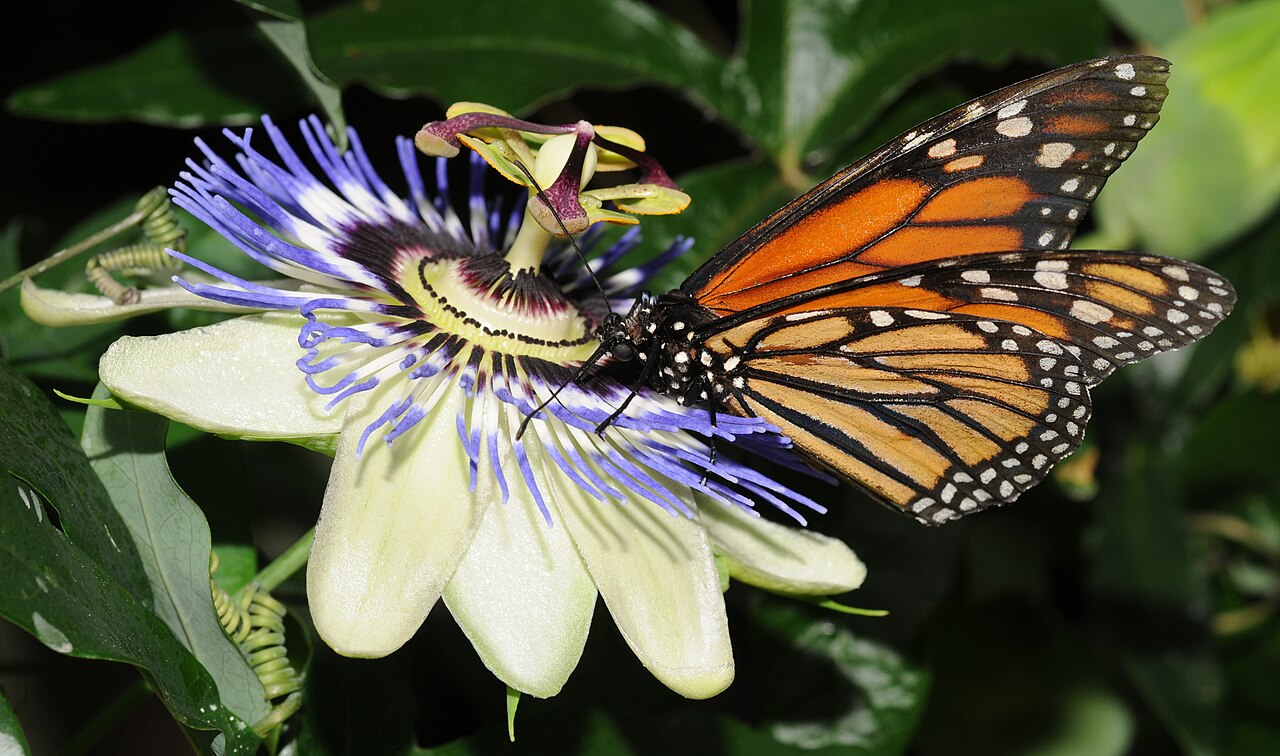
The species and color of the butterfly that lands on you adds further symbolic detail in most interpretive traditions, following the same color and species associations that apply to butterfly sightings generally. A monarch landing on you draws on that species’ powerful association with long-distance endurance and, through its famous migration timing near Dia de los Muertos, with returning ancestral spirits specifically, adding weight to the loved-one-visiting interpretation above.
A blue butterfly landing on you leans toward joy, rare good fortune, and a particularly auspicious turning point, drawing on blue’s broader rarity and positive associations in nature and folklore, our blue butterfly guide covers those color-specific traditions in more detail. A black butterfly, despite surface-level assumptions, is typically read not as an ominous sign but as confirmation of significant, positive transformation actively taking place, mourning converted into strength rather than simple loss.
White butterflies carry the strongest soul-and-spirit associations across the widest range of cultures, making a white butterfly landing on you one of the most commonly cited variants of the departed-loved-one interpretation specifically, while a striking black and white species landing on you is sometimes read as adding an emphasis on balance between endings and beginnings, a distinguished chapter starting in your life just as one closes.
A Green Butterfly’s Landing and Rarer Encounters
Because most common backyard species are yellow, white, or orange, an encounter with a genuinely rare color adds an extra layer many people find especially significant, and a green butterfly landing directly on you is a notable example, combining the general landing symbolism above with green’s own broader associations with renewal, growth, and heart-centered healing in most color-based folk traditions.
The rarity of certain colors in nature means these encounters genuinely are statistically uncommon, not merely perceived as such, which is part of why cultures across the world have independently developed richer, more specific interpretations around unusual butterfly colors landing on a person compared to the more commonly seen yellow or white species that pass through most gardens regularly without singling anyone out for direct contact.
Whatever the specific color or species involved, the underlying pattern across nearly every tradition remains consistent: rarity and directness of contact both amplify perceived significance, so an uncommon color choosing to land on you specifically, rather than simply passing through the same garden, tends to carry the most weight in personal interpretation regardless of which particular cultural framework a person draws from.
The Biological Explanation: Sweat, Salt, and Scent
Setting spiritual interpretation aside, butterflies land on people for entirely practical biological reasons, most commonly to access minerals and salts present in human sweat, a behavior called puddling that butterflies also perform at damp soil, mud puddles, and even animal droppings, seeking sodium and other minerals that flowers do not reliably provide.
Perfumes, lotions, and the natural scent compounds in human skin and clothing can also attract butterflies investigating potential nectar sources or simply exploring an unfamiliar surface, while bright or floral-patterned clothing occasionally draws a butterfly’s attention through the same visual cues used to locate actual flowers, an entirely mechanical response rather than any form of deliberate choice about the specific person involved.
Butterflies are also simply curious, investigative insects by nature, and a butterfly resting on a warm surface, including human skin on a cool day, may be doing nothing more complex than seeking a moment’s warmth or a stable landing spot during flight, behavior entomologists document regularly without attributing any of the symbolic weight that spiritual traditions layer onto the same physical event.
Holding Both Explanations at Once
The biological and spiritual explanations for a butterfly landing on you are not actually competing claims requiring you to choose one as correct, since the scientific explanation addresses why the behavior occurs mechanically while the spiritual interpretation addresses what the moment means to the person experiencing it, two entirely different categories of question that can both hold value simultaneously.
A butterfly seeking salt from your skin is following an entirely ordinary biological drive shared by countless other butterflies engaging in puddling behavior daily, and that same butterfly’s choice of your specific skin, at that specific moment, in the middle of whatever you happen to be experiencing in your life, can still function as a meaningful personal marker worth reflecting on, the same way many people find genuine significance in coincidences without needing to disprove their mundane origins.
How much weight to give either explanation is entirely a matter of personal outlook rather than any objective determination, and many people comfortably hold both: appreciating the biological mechanism as genuinely fascinating insect behavior while still allowing the encounter to carry the personal significance it felt like it carried in the moment, without needing either framework to invalidate the other.
What To Do When It Happens
If a butterfly lands on you and you want to enjoy the moment fully, the best approach is simply staying still and calm rather than attempting to touch or move the butterfly, since sudden movement will send it flying while patient stillness often allows it to remain for a genuinely extended period, giving you time to notice its color, pattern, and species for later reflection or identification.
Photographing the moment, if you can do so without startling the butterfly with sudden motion, preserves the encounter and gives you a chance to identify the species afterward using field guides or apps, adding the species-specific symbolic layer to whatever personal meaning you already took from the experience, particularly useful if the moment felt significant enough that you want to research it further.
Beyond the moment itself, many people who experience a meaningful butterfly landing choose to journal about what was happening in their life at the time, creating a personal record that, whether or not any external framework validates it, often provides genuine value simply as a marker and reflection point revisited later, regardless of whether the explanation offered by science or by spirit feels more true to any individual person.
Related reading: Dragonfly Tattoo Meaning.
Related reading: Dragonfly Lands on You Meaning.
Related reading: ladybug lands on you meaning.
Related reading: Fox Crossing Your Path.
Related reading: Bee Lands on You.
Related reading: Woodpecker Knocking on Your House.
Frequently Asked Questions
What does it mean when a butterfly lands on you?
Most commonly, it is read as a personal message about transformation, good luck, or a visit from a departed loved one. Biologically, butterflies often land on people seeking salt and minerals from sweat.
Is it good luck when a butterfly lands on you?
Yes, across most traditions a butterfly choosing to land directly on you, rather than nearby, is considered a particularly positive and rare sign, often interpreted as confirmation or a personal blessing.
Does the color of the butterfly change the meaning?
Yes, in most folk interpretations. White butterflies lean toward soul and spirit visits, blue toward joy and rare fortune, black toward significant positive transformation, and monarchs toward endurance and ancestral connection.
Why do butterflies land on people specifically?
Usually to access salt and minerals in sweat through a behavior called puddling, or out of simple curiosity about scent, warmth, or bright clothing patterns, rather than any deliberate choice about the individual person.
Does it mean something different if it lands on my hand versus somewhere else?
Many interpretations do distinguish location: a hand landing often reads as a direct, clear confirmation or yes, while a landing near the heart leans toward emotional healing or matters of love specifically.
What should I do if a butterfly lands on me?
Stay still and calm rather than trying to touch or move it, which usually allows it to remain longer. Photograph it if possible without startling it, both to enjoy the moment and to identify the species afterward.
Can a butterfly landing on you really be a sign from someone who died?
Many cultures and individuals interpret it that way, particularly during grief, drawing on long-standing traditions linking butterflies to souls. Whether that framework feels true is a personal matter the biological explanation does not need to override.