Baby Leopard Gecko: Temperature Determines the Sex
A baby leopard gecko hatches at roughly 3 to 4 inches long and weighing only a few grams, emerging fully independent with no parental care whatsoever, ready to hunt small insects and fend entirely for itself from the moment it breaks free of its leathery egg. One of the most genuinely fascinating facts about leopard gecko reproduction is that incubation temperature, not genetics, determines the hatchling’s sex, a phenomenon called temperature-dependent sex determination that makes this species a frequently cited example in discussions of reptile reproductive biology.
Leopard geckos rank among the most popular pet reptiles worldwide precisely because their care requirements, even at the hatchling stage, remain genuinely manageable compared to many other reptile species, though baby geckos specifically do require some meaningfully different care considerations than adults. This guide covers hatching and the temperature-sex connection, growth and shedding through the juvenile period, feeding requirements specific to young geckos, and the housing setup that gives hatchlings the best start whether in a breeding operation or a first pet purchase.
| Fact | Baby Leopard Gecko |
|---|---|
| Hatchling length | 3 to 4 inches |
| Incubation period | 35 to 89 days (temperature dependent) |
| Sex determination | Set by incubation temperature |
| First shed | Within days to a couple weeks |
| Adult size | 7 to 10 inches |
| Time to maturity | 10 to 18 months |
Temperature-Dependent Sex Determination: The Key Fact
Unlike most reptile species where sex is determined genetically at fertilization, leopard gecko sex is determined by the specific temperature at which the egg is incubated, a phenomenon called temperature-dependent sex determination that makes this species one of the most frequently studied and cited examples of this reproductive mechanism across all of herpetology.
Incubation temperatures in the lower range, generally around 80 to 82 degrees Fahrenheit, tend to produce predominantly female hatchlings, while temperatures in the higher range, typically around 88 to 90 degrees Fahrenheit, tend to produce predominantly male hatchlings, with intermediate temperatures around 84 to 86 degrees Fahrenheit producing a more even mix of both sexes, giving breeders meaningful practical control over hatchling sex ratios through incubator temperature management alone.
This temperature sensitivity means incubation setup requires genuine precision for breeders working toward specific sex ratios, since even relatively small temperature deviations from target ranges can shift outcomes meaningfully, and serious leopard gecko breeders typically invest in reliable, well-calibrated incubators specifically because this temperature-sex relationship makes consistent, accurate temperature control considerably more consequential than it would be for reptile species using conventional genetic sex determination instead.
Hatching and Initial Development
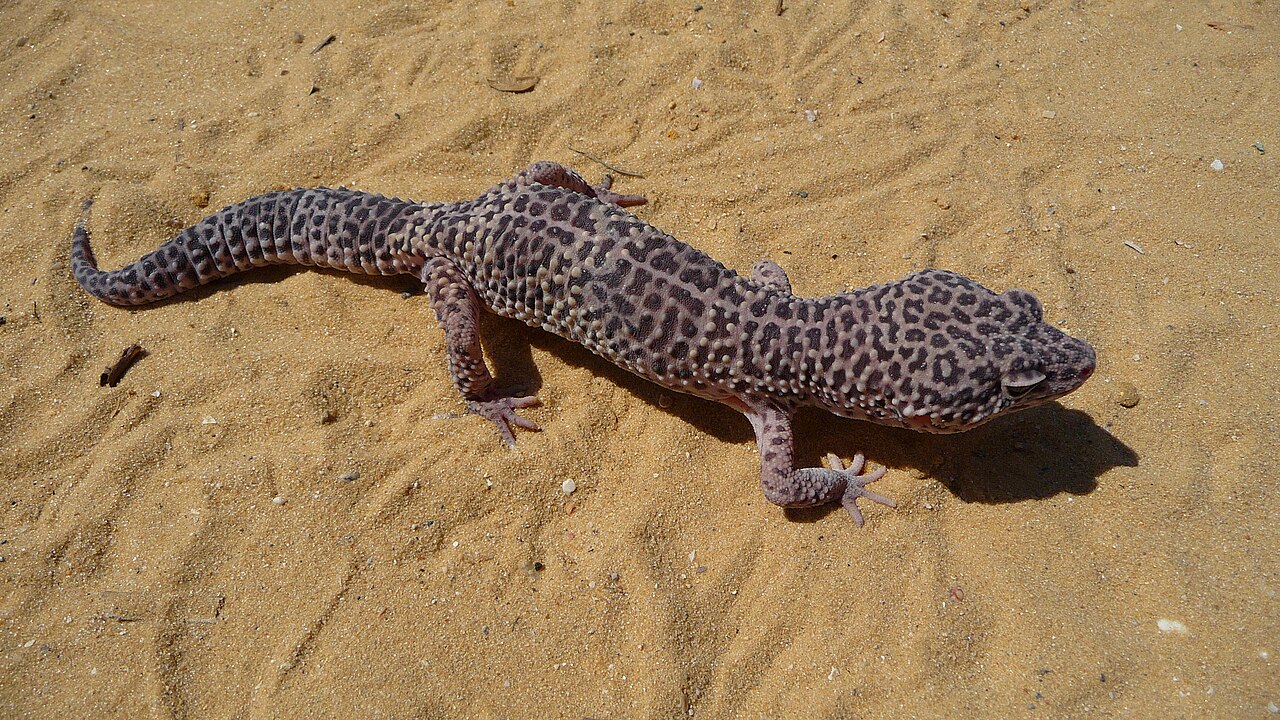
Leopard gecko eggs typically incubate for 35 to 89 days depending significantly on incubation temperature, with warmer temperatures generally producing faster development within this range, and hatchlings use a specialized egg tooth to slit open the leathery eggshell before emerging as fully formed, independently capable miniature geckos requiring no parental care or feeding assistance whatsoever from that point forward.
Newly hatched geckos typically absorb the remainder of their yolk sac over their first few days of life, during which many hatchlings show relatively little interest in food, a normal developmental pattern rather than any cause for immediate concern, before appetite and active hunting behavior typically increase noticeably once this initial yolk absorption period concludes.
Hatchlings emerge already showing the species’ characteristic banded juvenile pattern, distinct from the more spotted appearance adult leopard geckos are named for, with this juvenile banding gradually breaking up into the classic adult spotted pattern over the following months as the young gecko grows and its skin pattern matures toward the appearance most people associate with the species.
Growth and the First Sheds
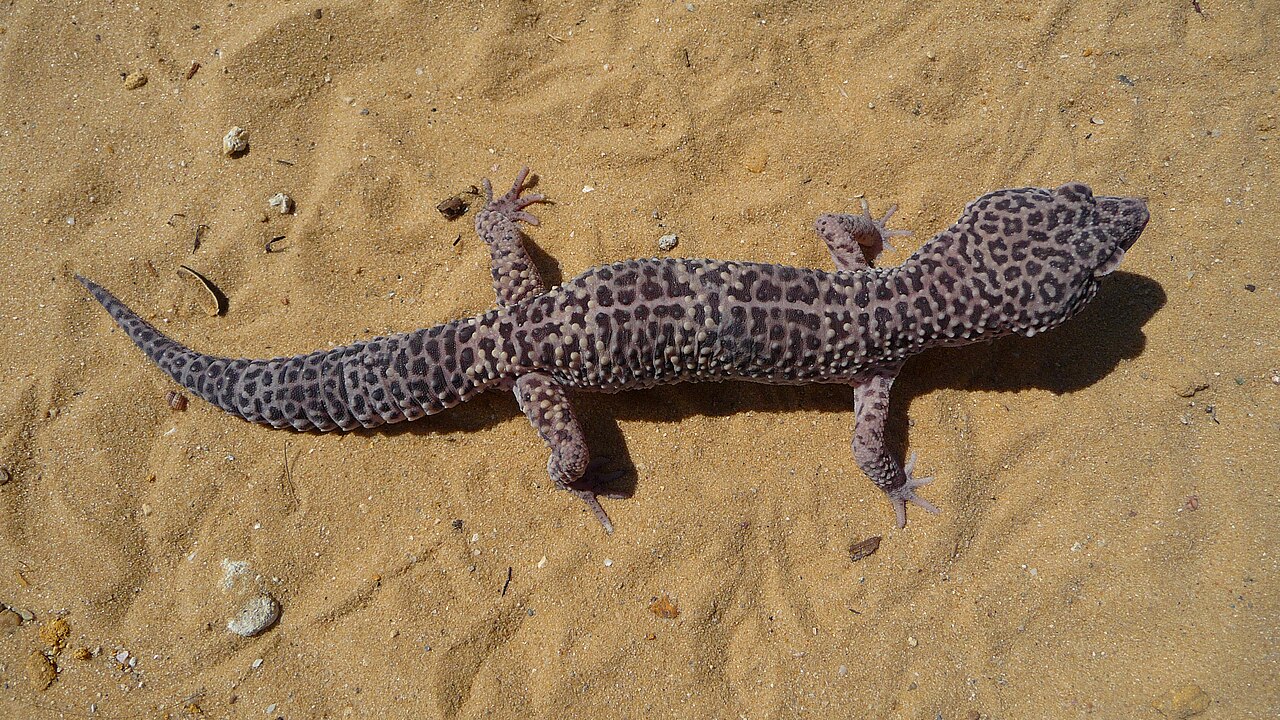
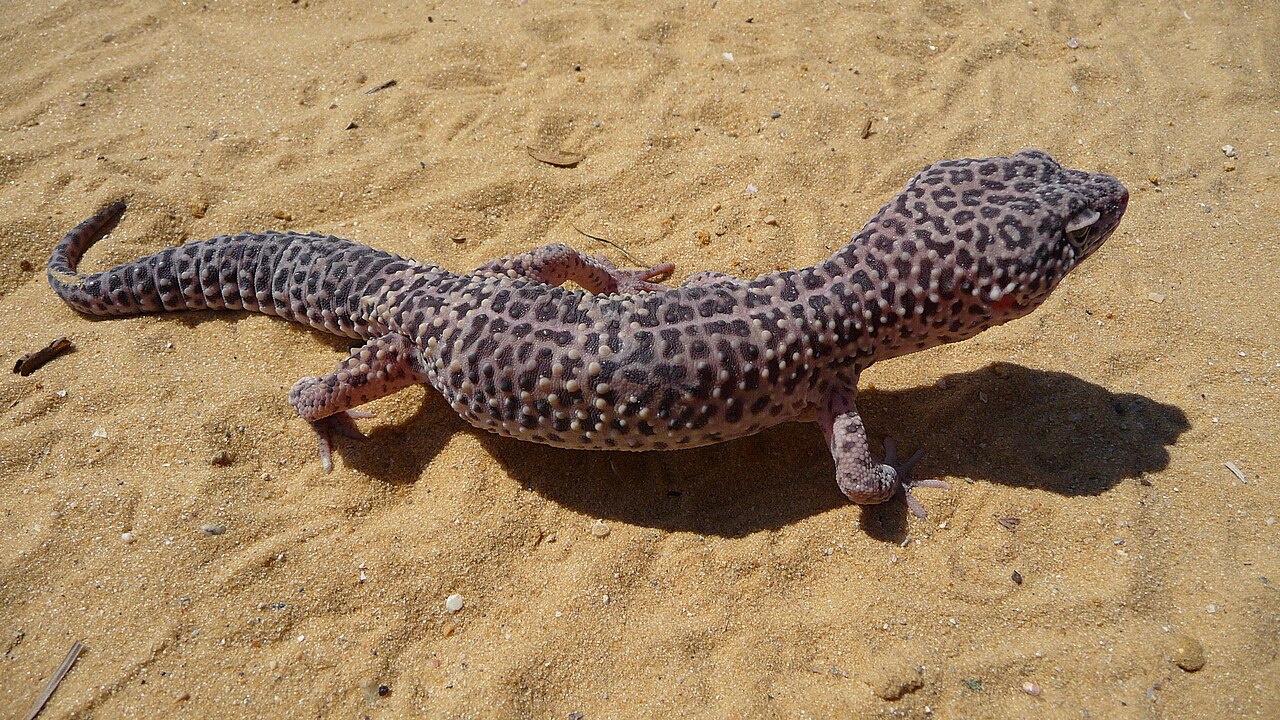
Baby leopard geckos grow relatively quickly during their first year compared to their eventual adult growth rate, typically progressing from a 3 to 4 inch hatchling toward the 7 to 10 inch length characteristic of mature adults over roughly 10 to 18 months, with growth rate depending considerably on feeding frequency, food quality, and overall husbandry conditions provided during this developmental period. For a closely related question, see our guide to poison dart frog.
Shedding occurs considerably more frequently in growing juveniles than in adults, often every one to two weeks during the most active growth phases compared to the roughly monthly shedding typical of mature adult leopard geckos, a pattern directly reflecting the faster overall growth rate driving more frequent skin replacement during this developmental period.
Providing a humid hide, a small enclosed shelter with elevated humidity inside, becomes particularly important during shedding specifically, since leopard geckos, despite being a fundamentally arid-adapted species overall, need adequate localized humidity to shed successfully, and juveniles shedding more frequently than adults benefit especially from consistent access to this humid retreat throughout their more rapid growth period.
Feeding Baby Leopard Geckos
Hatchling and juvenile leopard geckos require appropriately sized prey items, typically small crickets or mealworms no larger than the width of the gecko’s head, following the same general insectivorous approach outlined in our broader lizard diet guide, offered daily or near-daily given their considerably higher metabolic and growth demands compared to adults, which are commonly fed only every two to three days once fully grown.
Calcium supplementation matters particularly heavily during this rapid growth period, with most keepers dusting feeder insects with calcium powder at most feedings for young, actively growing geckos specifically to support proper bone development, since inadequate calcium during this critical growth phase can contribute to metabolic bone disease, a serious and largely preventable condition affecting reptile skeletal development.
Gut-loading feeder insects, feeding the crickets or mealworms themselves a nutritious diet before offering them to the gecko, further improves the nutritional value passed along to a growing juvenile, and this combined approach of appropriately sized prey, frequent feeding, calcium supplementation, and gut-loaded insects represents the standard, well-established care protocol most experienced keepers and veterinary resources recommend specifically for this vulnerable rapid-growth life stage.
Housing Setup for Hatchlings
Baby leopard geckos generally do well in smaller enclosures than the tank size eventually appropriate for adults, since an overly large space can make it genuinely harder for a small hatchling to reliably locate food and can increase stress from excessive open space lacking sufficient nearby cover, with many keepers starting hatchlings in a modest enclosure and upgrading incrementally as the gecko grows toward adult size.
Temperature gradient setup remains essential even at this small size, with a warm side around 88 to 92 degrees Fahrenheit and a cooler side in the mid-70s, allowing the young gecko to thermoregulate by moving between zones as needed, a fundamental leopard gecko care requirement that applies consistently from hatchling through adult regardless of overall enclosure size.
Multiple hides across the temperature gradient, plus the humid hide specifically important for shedding covered above, give a young gecko secure retreat options at different temperatures, and this basic hide-and-gradient setup, scaled appropriately smaller for a hatchling-sized enclosure, provides the essential housing foundation supporting healthy growth through this more delicate early life stage before eventually transitioning to full adult-sized housing.
Common Health Considerations for Young Geckos
Metabolic bone disease represents one of the more serious health risks specifically tied to inadequate calcium supplementation during the rapid juvenile growth period covered above, presenting as soft or deformed bones, difficulty moving normally, or a visibly swollen jaw in more advanced cases, making consistent calcium dusting throughout this growth phase a genuinely important preventive measure rather than an optional extra.
Impaction, a blockage typically caused by ingesting substrate material along with feeder insects, presents another genuine risk more common in young, actively growing geckos with correspondingly higher feeding frequency, which is why many experienced keepers use paper towel or reptile carpet substrate specifically for hatchlings rather than loose particulate substrates until the gecko is larger and feeding less frequently as an adult.
Failure to shed properly, sometimes leaving retained skin around toes or the tail tip, occurs more frequently in juveniles given their considerably more frequent shed cycle, making that humid hide access covered above a genuinely practical preventive tool, and any retained shed noticed should generally be addressed promptly, often through a brief warm soak, since retained shed around toes specifically can restrict blood flow if left unaddressed for an extended period.
Handling and Socialization of Young Geckos
Handling a newly hatched or very young leopard gecko should generally be kept minimal during the first few weeks, allowing the hatchling time to settle into its enclosure and establish reliable feeding behavior before regular handling begins, since excessive early handling can add stress to an already vulnerable developmental period when successful feeding and growth should take clear priority.
Once a young gecko is feeding reliably and has had some weeks to settle in, gradually introducing brief, gentle handling sessions helps build tolerance for the occasional handling most pet keepers eventually want, though leopard geckos generally tolerate handling reasonably well as a species even without extensive early socialization compared to some more defensive reptile species that require considerably more deliberate taming.
Signs of stress during handling, including tail waving, vocalizing with a distinctive chirp or squeak, or attempting to flee repeatedly, should prompt returning the gecko to its enclosure promptly, a caution worth extending to any young reptile including the bearded dragons many keepers also raise from hatchlings, rather than persisting through an uncomfortable session, since leopard geckos, like many reptiles, can drop their tails as a defensive response when sufficiently stressed or grabbed incorrectly, a genuine though non-fatal injury better avoided through attentive, gentle handling practices from the start.
Baby Leopard Geckos vs Other Common Gecko Pets
Compared to the crested gecko and the wild Mediterranean house gecko sometimes found around homes in warmer states, another extremely popular pet gecko species, baby leopard geckos differ in several practical care respects: leopard geckos are ground-dwelling and require the horizontal, gradient-based enclosure setup covered above, while crested geckos are arboreal and need vertical climbing space instead, a fundamentally different enclosure orientation between the two species despite both being commonly kept, beginner-friendly pet reptiles.
Leopard geckos also lack toe pads and cannot climb smooth surfaces the way crested geckos famously can, meaning enclosure security concerns differ somewhat between the two species, with leopard gecko enclosures generally needing less concern about a gecko climbing out through minor gaps compared to the considerably more agile climbing capability crested geckos possess even at a young age.
Lifespan comparisons favor leopard geckos considerably, with well-cared-for individuals commonly living 15 to 20 years or longer in captivity, a genuinely substantial commitment worth factoring into any decision to acquire a hatchling, whereas the crested gecko’s typical lifespan runs somewhat shorter on average, making the leopard gecko’s already-popular status as a beginner reptile pet come with the added consideration of a genuinely long-term care commitment extending well beyond just the vulnerable hatchling period covered throughout this guide.
Related reading: Leopard Gecko Substrate.
Related reading: Leopard Gecko Morphs.
Related reading: Leopard Gecko Lifespan.
Related reading: Leopard Gecko Habitat.
Related reading: Leopard Gecko Diet.
Related reading: Leopard Tortoise Care.
Frequently Asked Questions
How big is a baby leopard gecko when it hatches?
About 3 to 4 inches long and weighing only a few grams, growing toward the adult length of 7 to 10 inches over roughly 10 to 18 months with proper feeding and care.
Does incubation temperature really determine a leopard gecko’s sex?
Yes, this is a well-documented phenomenon called temperature-dependent sex determination. Lower incubation temperatures tend to produce females, higher temperatures tend to produce males, and intermediate temperatures produce a more even mix.
How often should baby leopard geckos be fed?
Daily or near-daily with appropriately sized crickets or mealworms, considerably more often than the every two to three day feeding schedule typical for adults, given their higher growth-related metabolic demands.
Why do baby leopard geckos shed so often?
Juveniles shed roughly every one to two weeks during rapid growth phases, far more frequently than the monthly shedding typical of adults, directly reflecting their faster overall growth rate at this life stage.
Do baby leopard geckos need calcium supplements?
Yes, calcium dusting on feeder insects at most feedings is important during this rapid growth period specifically, since inadequate calcium can contribute to metabolic bone disease, a serious but largely preventable condition.
What kind of enclosure do baby leopard geckos need?
A modestly sized enclosure with a warm side around 88 to 92 degrees Fahrenheit, a cooler side in the mid-70s, multiple hides, and a humid hide specifically to support successful shedding, scaled smaller than adult housing initially.
How long do leopard geckos live?
Commonly 15 to 20 years or longer with proper care, a considerably long-term commitment worth factoring into any decision to acquire a hatchling, and notably longer than many other commonly kept pet gecko species.