Fuzzy Caterpillar: Which Ones Sting & Which Are Safe
Not every fuzzy caterpillar is dangerous, but the ones that are can deliver a genuinely painful sting, so learning to tell harmless species like the common woolly bear apart from truly venomous ones like the puss caterpillar matters more than a blanket rule of “never touch a fuzzy caterpillar.” This guide covers which fuzzy caterpillars are actually harmless, which carry real venom, what a sting feels like, and the safest general approach to any fuzzy or spiny caterpillar you cannot positively identify.
| Species | Appearance | Sting risk |
|---|---|---|
| Woolly bear | Black and brown banded bristles | Harmless (mild irritation only in sensitive skin) |
| Puss caterpillar | Soft, toupee-like fur, teardrop shape | Highly venomous, most painful US sting |
| Milkweed tussock | Black/white/orange tufts | Generally considered safe |
| Io moth caterpillar | Green with spiky tufts | Venomous, painful sting |
Is a Fuzzy Caterpillar Automatically Dangerous?
No, and this is one of the more persistent myths worth correcting directly. Fuzziness alone does not indicate venom; many genuinely harmless caterpillars are covered in soft or bristly hair, while the truly dangerous species specifically have hollow, spine-like hairs directly connected to venom glands underneath. A useful, if imperfect, general rule: brightly colored or unfamiliar fuzzy caterpillars deserve caution and are best left unhandled until positively identified, but plain fuzziness by itself is not a reliable danger signal on its own.
The Woolly Bear: A Harmless Fuzzy Caterpillar Myth
The woolly bear, recognized by its banded black and brown bristles, is entirely harmless despite its intimidating, spiky appearance. Its hairs are stiff but contain no venom glands whatsoever, and the worst a person is likely to experience from handling one is mild, temporary skin irritation limited specifically to those with unusually sensitive skin. The woolly bear is genuinely one of the best-known examples of the “fuzzy equals dangerous” myth being flatly wrong, and it remains one of the most commonly and safely handled caterpillars encountered by children and gardeners alike.
The Puss Caterpillar: North America’s Most Venomous Sting
The puss caterpillar (Megalopyge opercularis), also called the asp caterpillar, is widely considered the most venomous caterpillar in the United States, and its deceptively soft, toupee-like appearance, resembling a small tuft of fur more than an insect, makes it especially likely to tempt children into picking it up. Beneath that innocent-looking fur are hollow, venom-connected spines that deliver a sting described as intensely painful, sometimes causing pain severe enough to require emergency medical attention, along with symptoms that can include a distinctive grid-like welt pattern on skin matching the arrangement of the spines themselves. According to AgriLife Extension specialists, some sting victims report pain radiating well beyond the immediate contact site, occasionally described as pain reaching into nearby bones.
Other Fuzzy Caterpillars With Genuine Stings
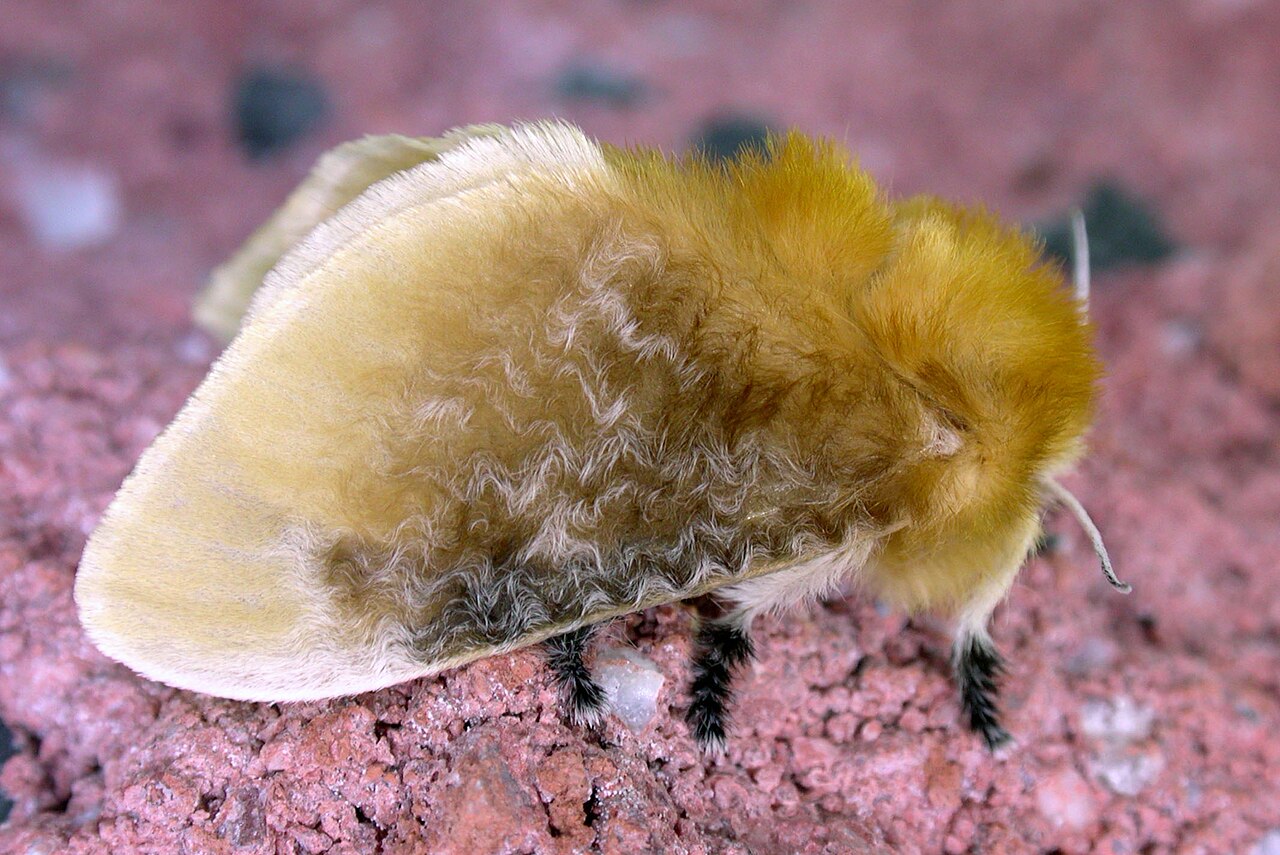
Beyond the puss caterpillar, several other fuzzy or spiny species carry real venom. The Io moth caterpillar is bright green with tufts of spines resembling pine needles, and contact causes real pain, skin irritation, and sometimes a broader allergic reaction. The black-waved flannel moth caterpillar, a close relative of the puss caterpillar, causes stings resulting in rashes and headaches, though not the severe, potentially medically urgent symptoms associated with its more dangerous cousin. Stinging caterpillars overall fall into three main groups, puss caterpillars, slug caterpillars, and giant silkworm moth caterpillars, and according to the USDA, puss caterpillars specifically account for most caterpillar-related stings reported across the southern United States.
Fuzzy Caterpillars That Look Dangerous But Aren’t
The milkweed tussock moth caterpillar, covered in black, white, and orange hairy tufts, is a genuinely good example of intimidating appearance without matching danger: it is generally considered safe despite looking similar to more dangerous tussock moth relatives, since it lacks the hollow, venom-connected spines that define truly stinging species. This particular caterpillar feeds exclusively on milkweed and absorbs the plant’s toxic sap for its own defense against predators like birds, without that toxicity being transferable to a human through simple skin contact the way a genuine sting would be.
Fuzzy Caterpillars vs Adult Moths and Butterflies
It is worth remembering that every fuzzy or spiny caterpillar eventually transforms into a moth or butterfly, and the adult form typically loses the stinging spines entirely, meaning the risk window for any given individual is limited specifically to its larval stage rather than persisting throughout its full life cycle. This transformation is part of why the same species can seem to disappear from concern entirely later in the season, once the stinging caterpillar stage has passed and the population has moved on to its considerably less physically hazardous adult form.
Why Do Some Caterpillars Evolve Venomous Hairs?
Stinging spines represent a genuine evolutionary trade-off: caterpillars are slow-moving, defenseless larvae with no ability to flee quickly from predators, so a painful, memorable deterrent delivered on contact offers real protection against birds, small mammals, and other predators that might otherwise treat them as an easy meal. University entomology extension programs note that many venomous species also display bright, contrasting colors, a phenomenon called aposematic coloring, that likely evolved specifically to serve as an early warning signal, teaching predators to associate a distinctive appearance with an unpleasant consequence before ever making contact.
What Happens If You Touch a Stinging Caterpillar?
Symptoms from a genuine stinging caterpillar typically appear almost immediately on contact, and can include a sharp, burning, or stinging pain right at the point of contact, followed by redness, swelling, and sometimes raised welts or hives on the affected skin. Some caterpillar stings, the puss caterpillar’s most notably, produce a distinctive pattern on skin that visibly matches the arrangement of the spines that caused it, and depending on species and individual sensitivity, symptoms can range from mild, brief irritation to intense, radiating pain lasting considerably longer. If broken spines remain visibly embedded in the skin after contact, adhesive tape gently pressed and lifted away can help remove them, similar to a technique used for other embedded plant or insect debris.
Where Stinging Caterpillars Are Most Common
Stinging caterpillars are found across a wide range of environments, from managed gardens and urban landscaping to forests and rural woodlands, and are especially associated with common host trees and shrubs including oaks, elms, apples, and ornamental plantings like crepe myrtle, spirea, and dogwood. Anyone doing yard work, particularly pruning, mowing, or clearing brush near these plants during the warmer months when caterpillars are most active, faces a meaningfully higher chance of accidental contact than someone working in an area without these specific host plants nearby, similar to how certain beetle species cluster around specific preferred habitats.
Are Caterpillar Stings Ever a Medical Emergency?
Most caterpillar stings, while genuinely painful, resolve without serious complication, but severe reactions do occur and warrant real medical attention. Puss caterpillar stings in particular have been documented causing pain severe enough to send victims, including young children, to the hospital, and any sting accompanied by difficulty breathing, widespread swelling, or symptoms well beyond the immediate contact site should be treated as a genuine emergency rather than something to simply wait out at home.
How to Safely Identify a Fuzzy Caterpillar
Since appearance alone is not always definitive, the safest general approach is treating any unfamiliar, brightly colored, or unusually fuzzy caterpillar with caution until it can be positively identified, ideally through a photo comparison against a reliable regional field guide or extension resource rather than direct handling. Wearing gloves while gardening, teaching children not to touch unfamiliar caterpillars regardless of how harmless or appealing they look, and simply admiring an unknown specimen from a short distance rather than picking it up are all reasonable, low-effort precautions that avoid an unnecessary sting without requiring perfect identification skills in the moment. Similar visual caution is worth applying to other small, unfamiliar creatures encountered outdoors, from a startled small spider to an unidentified beetle or a passing funnel weaver, where a moment of careful observation beats an assumption either way.
Related reading: Orange Caterpillar.
Related reading: Brown Caterpillar.
Related reading: Woolly Bear Caterpillar Winter Prediction.
Frequently Asked Questions
Are all fuzzy caterpillars dangerous?
No, this is a common myth. Many harmless caterpillars, like the woolly bear, are fuzzy but have no venom. Truly dangerous species have hollow, venom-connected spines specifically, not just general fuzziness.
What is the most dangerous fuzzy caterpillar in the US?
The puss caterpillar (Megalopyge opercularis) is widely considered the most venomous. Its soft, toupee-like appearance is deceptive, hiding hollow, venomous spines that can cause intense, sometimes medically urgent pain.
Is the woolly bear caterpillar dangerous?
No, the woolly bear is completely harmless. Its stiff bristles contain no venom glands, and handling one causes at most mild, temporary skin irritation in people with very sensitive skin.
What does a stinging caterpillar sting feel like?
Symptoms typically appear immediately: sharp burning or stinging pain, followed by redness, swelling, and sometimes welts or hives. Puss caterpillar stings can produce a distinctive grid pattern matching the spine arrangement.
How do you treat a caterpillar sting?
Use adhesive tape to gently remove any embedded spines from the skin. For significant pain or a spreading reaction, especially from a puss caterpillar sting, seek medical attention rather than treating it purely at home.
How can I tell if a fuzzy caterpillar is safe to touch?
Since appearance alone isn’t always reliable, the safest approach is comparing an unfamiliar caterpillar against a regional identification guide before handling it, and teaching children not to touch unfamiliar species by default.
What plants attract stinging caterpillars?
Stinging caterpillars are found on many common trees and shrubs, including oaks, elms, apple trees, crepe myrtles, spirea, and dogwoods, making garden work near these plants a time to watch for unfamiliar caterpillars.
Recognizing this evolutionary logic helps explain why the safest general rule remains treating any unfamiliar, strikingly colored caterpillar with a healthy dose of caution rather than assuming its appearance alone settles the question either way.
Comparing caterpillar stings against other outdoor stinging encounters, such as an accidental brush with a hornet or wasp, helps put the relative risk and appropriate response for each into useful, practical perspective.
A little patience and a quick photo comparison against a trusted field guide almost always beats guessing when a genuinely unfamiliar fuzzy or spiny caterpillar turns up in the yard.
Given how briefly the dangerous larval stage actually lasts, a small amount of seasonal caution goes a long way toward avoiding an entirely preventable sting.
That brief window of risk is exactly why fall and late summer, when many stinging species reach their largest, most active larval size, deserve extra attention during ordinary yard work.
A moment of pause before touching anything unfamiliar remains the single most effective habit for avoiding an entirely preventable, and sometimes genuinely serious, sting.