Baby Snake: Identification, Safety, and What to Do
A baby snake found in a yard or house is almost always harmless, and in most of the United States the likeliest candidates are a garter snake, a brown snake, a ringneck snake, or a juvenile rat snake. Hatchlings emerge at 6 to 12 in depending on species, they look markedly different from the adults they will become, and finding one indoors usually means a single animal wandered in through a gap rather than that a nest is hidden somewhere.
The most persistent myth about baby snakes is that a bite from one is more dangerous because juveniles cannot control their venom. Research on pit vipers does not support that, and adults deliver far more venom per bite. This guide covers how to identify what you found, how to spot the juvenile venomous species that do occur in North America, what baby snakes eat, and what to do when one turns up.
| Quick Facts | Baby Snakes |
|---|---|
| Hatchling size | 6 to 12 in for most species |
| Most common in yards | Garter, brown, ringneck, juvenile rat snake |
| Parental care | None in nearly all species |
| Venomous juveniles | Copperhead, rattlesnake, cottonmouth, coral snake |
| Copperhead marker | Bright yellow or green tail tip in juveniles |
| Rattlesnake marker | Single button at tail tip, makes no sound |
A baby snake found in a yard or house in most of the United States is almost always harmless: a garter snake, brown snake, ringneck snake or juvenile rat snake. Hatchlings are patterned differently from adults, which is why they are so often misidentified as venomous.
How to Identify a Baby Snake
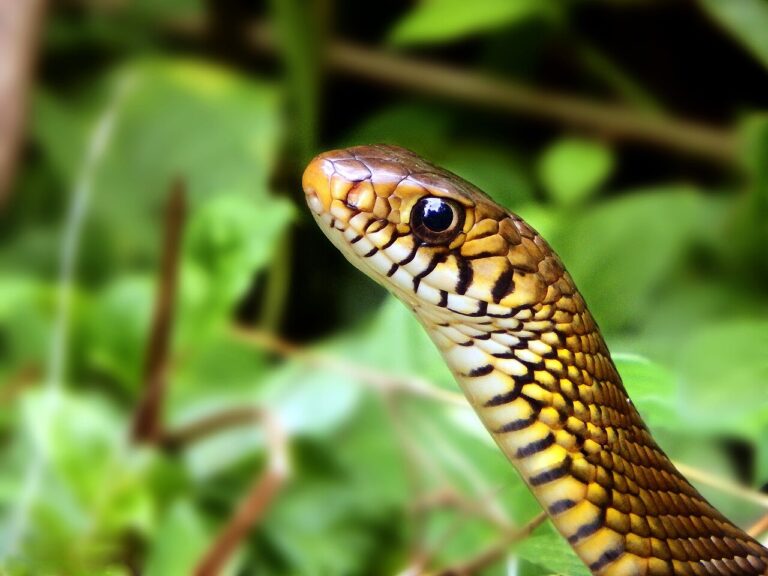
Start with the head and eyes rather than the color. Every venomous snake in the continental United States except the coral snake is a pit viper, and pit vipers have vertical cat-like pupils plus a heat-sensing pit between the eye and the nostril. Non-venomous species have round pupils and no pit. Both features are visible in a photograph taken from a safe distance.
Then look at the pattern and where you found it. Juvenile snakes frequently wear different markings from the adults, and some change dramatically, so matching a small snake against an adult photograph leads people astray constantly. A juvenile rat snake has strong gray and brown blotching that fades to near-black in adulthood, which is why they are so often reported as young rattlesnakes.
Size alone tells you less than expected. A 10 in snake could be a hatchling of a species that reaches 5 ft or an adult of a species that never exceeds 12 in, and both are common in yards. Photograph the animal, note the location and habitat, and identify it afterward rather than in the moment.
Are Baby Snakes More Dangerous Than Adults?
No, and this claim deserves retiring. The idea that juvenile venomous snakes cannot regulate venom delivery and therefore inject everything they have is repeated constantly and is not supported by the research. Studies of pit viper bites find that adults deliver substantially more venom because they simply have more of it and larger fangs.
What is true is that juveniles are harder to see and easier to step on, and that their bites are sometimes underestimated by the person bitten. A small snake in leaf litter goes unnoticed where an adult would not, and someone bitten by what they assume is a harmless juvenile may delay seeking care. That delay, rather than any special potency, is the real risk.
The correct response to any suspected venomous bite is the same regardless of snake size. Get to an emergency department, keep the limb below heart level, remove rings and tight clothing, and do not apply a tourniquet, cut the wound, or attempt suction. Poison control centers in the United States are reachable at 1-800-222-1222 and can advise while you travel.
Baby Snake or Something Else?
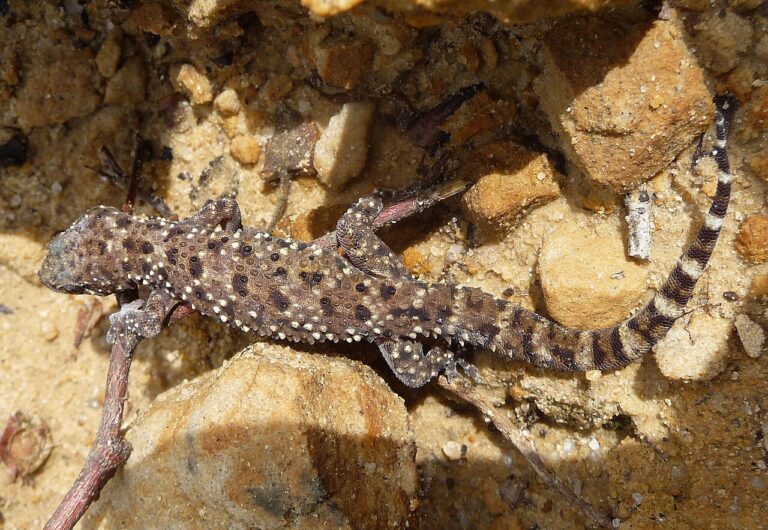
Several animals get mistaken for baby snakes. Legless lizards, including glass lizards, look convincing until you notice they have eyelids and external ear openings, which no snake has. They also have a tail that can break off, and many found specimens show a regenerated stub.
The Brahminy blind snake, an introduced species now widespread in the southern United States, is genuinely a snake but looks like a shiny dark earthworm at 4 to 6 in and is often assumed to be a hatchling of something larger. It is harmless, it burrows, and it is one of the few vertebrates that reproduces entirely without males.
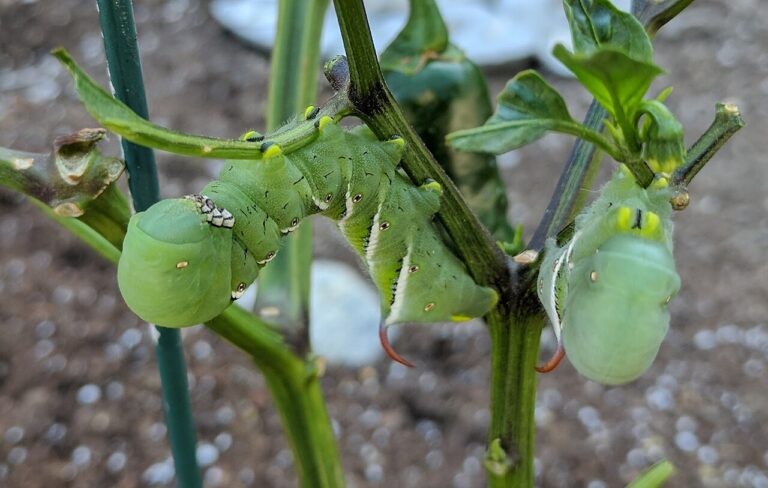
Earthworms and some caterpillars round out the confusion, particularly for animals seen briefly in mulch or soil. A snake has scales, a distinct head, and a flicking tongue. If the animal is uniformly segmented with no visible head, it is not a snake.
Common Baby Snakes in North American Yards
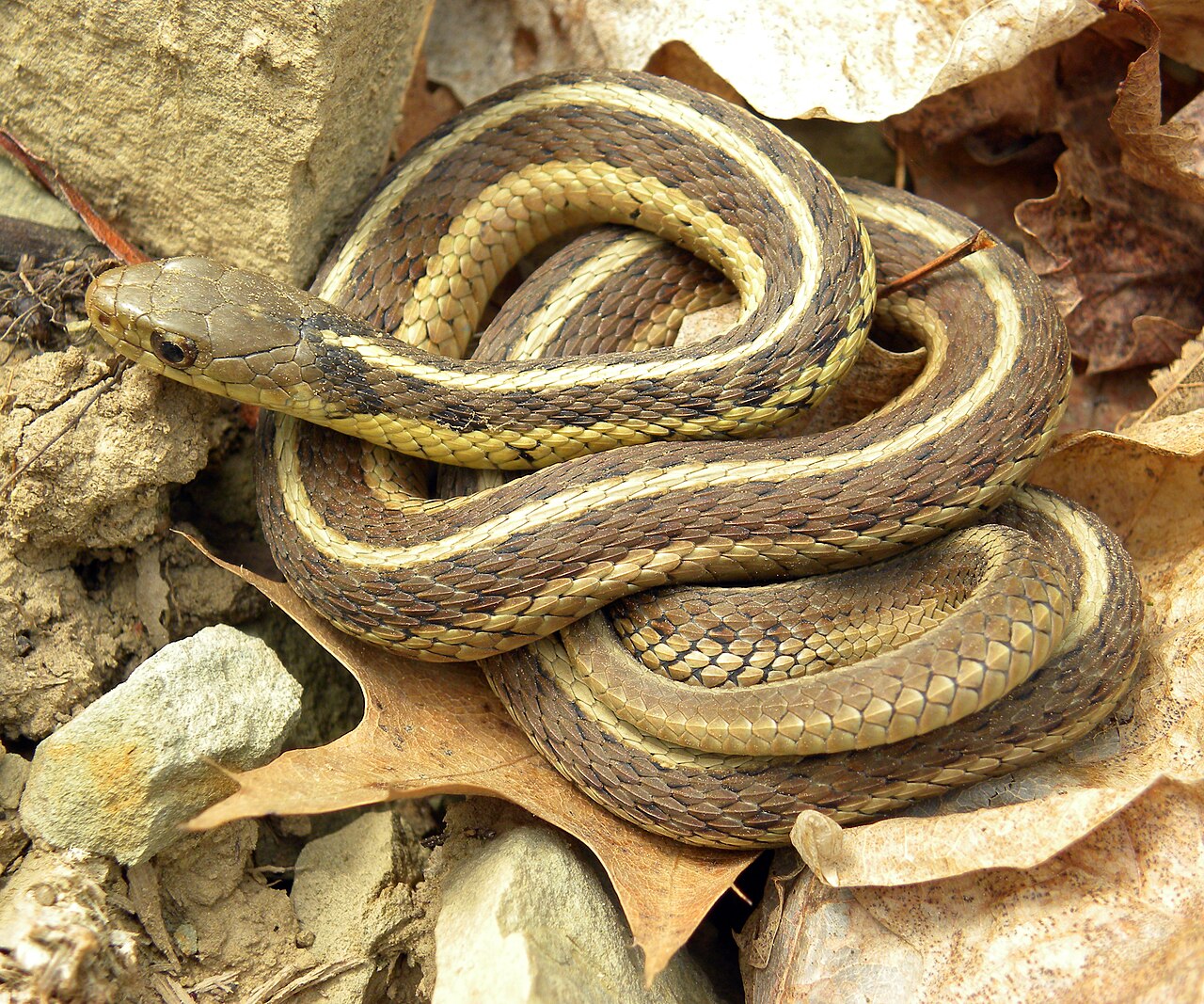
Garter snakes are the most frequently encountered. Newborns are 5 to 9 in with the same longitudinal stripes as adults, they are live-born rather than hatched, and litters can exceed 20. They are harmless, they eat worms and amphibians, and they are active during the day, which is why people see them so often.
Brown snakes, sometimes called DeKay’s brown snakes, are small brown or gray snakes that spend their entire lives under 13 in, so an adult looks like a baby of something else. They live in gardens and under debris and eat slugs and earthworms, which makes them genuinely useful. Ringneck snakes are similar in size with a distinctive yellow or orange collar and a bright belly they display when threatened.
Juvenile rat snakes cause the most alarm. At 10 to 14 in with bold gray blotching, they look nothing like the plain dark adults, and they are routinely killed as suspected rattlesnakes or copperheads. Our guides to the rat snake and the Texas rat snake cover the juvenile pattern in detail, and the milk snake guide handles another harmless species mistaken for a venomous one.
How to Recognize Venomous Juveniles
Juvenile copperheads carry the same hourglass crossbands as adults, widest along the sides and pinched narrow across the spine, over a copper to pinkish tan background. The bright yellow or green tail tip is the reliable juvenile marker and is used as a caudal lure to attract small prey.
Baby rattlesnakes are born with a single button at the tail tip rather than a rattle, so they cannot make the sound people listen for. A rattle segment is added at each shed, and a functional rattle takes several sheds to develop. They are otherwise miniature versions of the adults, with the same broad triangular head and heavy body. Our guide to the baby rattlesnake covers the details.
Juvenile cottonmouths show bold reddish-brown crossbands that fade to near-uniform dark brown in adults, plus the same yellow tail tip as copperheads. Coral snakes, found in the southeast and southwest, are the exception to the pit viper rules, with round pupils, no facial pit, and red, yellow, and black banding. The rhyme about red touching yellow works in the United States but fails in Central and South America, so it should be treated as a regional aid rather than a law.
What Do Baby Snakes Eat?
Prey scales with the snake. Hatchlings of large species eat what they can overpower, meaning insects, slugs, earthworms, small lizards, frogs, and newborn rodents, and they graduate to larger prey as they grow. A hatchling rat snake takes lizards and pinky mice, not the adult rats its parents eat.
Small species stay small forever, and their diets reflect it. Brown snakes and ringneck snakes eat slugs, earthworms, salamanders, and soft-bodied invertebrates throughout life, and they are useful garden residents for exactly that reason. Garter snakes take worms, amphibians, fish, and occasionally small rodents.
Hatchlings do not eat immediately. Most live off remaining yolk reserves for their first days to a week and take their first meal after the initial shed. Many species also fast through winter brumation, so a young snake found in autumn may not eat again until spring, which is normal rather than a sign of illness.
Found a Baby Snake? What to Do
Outdoors, leave it alone. A small snake in a garden is eating slugs, insects, and rodents, and it will move on within days. Nearly all bites happen when someone tries to catch, kill, or handle a snake, so distance solves the problem in almost every case.
Indoors, contain rather than chase. Place a wastebasket or box over the snake, slide stiff cardboard underneath, and carry it outside to release it well away from the house. A damp towel left on the floor overnight in a room with a hidden snake often draws it underneath, since a snake indoors is usually dehydrated and seeking moisture.
Call a professional if the snake is unidentified and you are uncomfortable, if it is in a confined space you cannot access, or if you have reason to believe it is venomous. Do not use glue traps, which cause prolonged suffering and frequently catch non-target animals, and skip commercial snake repellents, which have repeatedly failed independent testing. Sealing gaps at door sweeps, foundation cracks, and utility entries is what actually prevents recurrence, and removing the rodents that drew the snake in matters as much as the sealing itself.
Does a Baby Snake Mean There Is a Nest?
Almost never in the sense people mean. Snakes do not build nests and, with a handful of exceptions such as pythons and some cobras that are not native to North America, they provide no parental care. A female lays eggs or gives birth and leaves, so there is no family group living in your wall.
What does happen is communal laying. Several females of the same species sometimes deposit eggs in the same favorable site, meaning a rotting log, a compost pile, a mulch bed, or the loose soil under a shed, which is why people occasionally find a dozen hatchlings at once. That is a shared incubation site, not a nest with a guarding parent.
Finding several baby snakes at once therefore means you have good snake habitat rather than an infestation. Removing the conditions helps: clear brush piles, stack firewood off the ground and away from the house, keep grass mown, remove debris and flat objects lying on soil, and address the rodent population that supports larger species. The same habitat logic runs through our guide to the hognose snake.
Related reading: Baby Rat Snake.
Related reading: Baby Black Snake.
Related reading: Baby Komodo Dragon.
Related reading: Baby King Snake.
Related reading: Baby Corn Snake.
Related reading: Baby Cottonmouth Snake.
Related reading: Baby Ring-Neck Snake.
Related reading: Baby Iguana.
Related reading: Baby Garter Snake.
Related reading: Baby Hognose Snake.
Related reading: Baby DeKay’s Brown Snake.
Related reading: Baby Gopher Snake.
How Big Is a Baby Snake Compared With an Adult?
Most North American hatchlings are between 6 and 12 inches long and no thicker than a pencil, which is a useful anchor because it rules a lot out. Garter snakes hatch around 6 to 9 inches and reach 2 to 3 feet. Rat snakes hatch around 10 to 14 inches and reach 4 to 6 feet. Brown and ringneck snakes hatch at 3 to 4 inches and stay small their whole lives, topping out near a foot.
That last group is the reason size alone can mislead. A fully grown brown snake or ringneck is smaller than a juvenile rat snake, so a very small snake is not automatically a baby. Body proportions help: a hatchling has a proportionally larger head and eyes relative to its body than an adult of the same species, the same way young mammals do.
Venomous juveniles sit in the same size range and are not distinguishable by size at all. A newborn copperhead is 7 to 10 inches, a newborn rattlesnake 6 to 12, both within the range of the harmless species above. Judge by pattern, head shape and pupil from a safe distance rather than by how small it is. Penn State Extension’s guide to snakes around the home covers the identification marks and safe removal.
Frequently Asked Questions
How can I tell if a baby snake is venomous?
Check the pupils and the space between eye and nostril from a safe distance or in a photograph. Pit vipers, which include every venomous species in the continental United States except the coral snake, have vertical pupils and a heat-sensing facial pit. Juvenile copperheads and cottonmouths also show a bright yellow tail tip.
Are baby snakes more dangerous than adult snakes?
No. The claim that juveniles cannot control venom delivery is not supported by research, and adults deliver substantially more venom because they have more of it and larger fangs. Juveniles are simply harder to see, and bites from them are more often underestimated and treated late.
What do baby snakes eat?
Insects, slugs, earthworms, small lizards, frogs, and newborn rodents, scaled to what the individual can overpower. Hatchlings usually do not eat at all for their first days, living on yolk reserves until after the first shed. Small species like brown and ringneck snakes eat invertebrates their whole lives.
What should I do if I find a baby snake in my house?
Place a box or wastebasket over it, slide cardboard underneath, and release it outside away from the house. Do not try to grab or kill it, since nearly all bites happen during those attempts. Avoid glue traps and repellents, and seal entry gaps afterward.
Does finding a baby snake mean there is a nest nearby?
Almost never. Snakes do not build nests and native North American species provide no parental care after laying or giving birth. Several females may use the same favorable egg-laying site, which is why a dozen hatchlings sometimes appear at once, but no adult is guarding them.
How big is a baby snake?
Most hatch or are born at 6 to 12 in depending on species. Garter snakes arrive at 5 to 9 in, juvenile rat snakes at 10 to 14 in. Size alone is a poor identification clue, since some adult species such as brown snakes never exceed 13 in.
What looks like a baby snake but is not?
Legless lizards, which have eyelids and external ear openings that no snake has, and the Brahminy blind snake, a harmless burrowing species 4 to 6 in long that resembles a shiny earthworm. Earthworms and some caterpillars also cause confusion, but a snake always has scales, a distinct head, and a flicking tongue.