Do Ladybugs Bite? What to Know About Ladybug Bites
Yes, ladybugs can bite, though it happens rarely and the bite itself is essentially harmless, feeling more like a brief pinch than an actual puncture. This guide covers why ladybugs bite in the first place, which species are most likely to do it, what the bite actually feels like, and the genuinely more relevant concern for most people: the smelly defensive fluid ladybugs release rather than the bite itself.
| Question | Answer |
|---|---|
| Can ladybugs bite? | Yes, using small mandibles, though rarely |
| Does it hurt? | Feels like a brief pinch; rarely breaks skin |
| Which species bites most? | Asian lady beetle (Harmonia axyridis) |
| Dangerous to humans? | No, not poisonous or venomous |
| Dangerous to pets? | Can cause mild irritation if eaten; rarely serious |
Do Ladybugs Actually Bite?
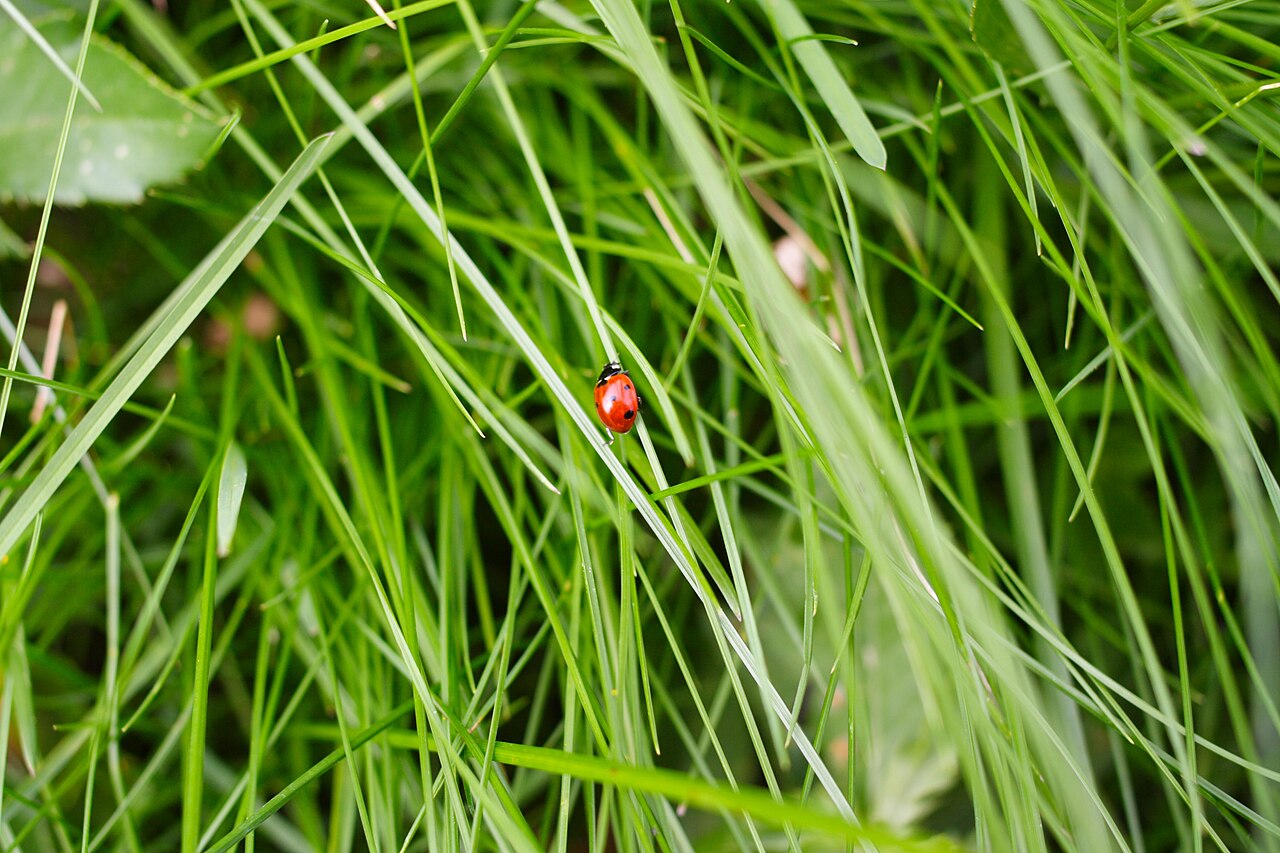
Yes, ladybugs are technically capable of biting, using small mandibles designed primarily for chewing soft-bodied prey like aphids rather than for any offensive purpose against people. Unlike insects specifically built to bite larger animals, ladybug mandibles are comparatively weak and rarely have enough force to break through human skin at all, which is why an actual, skin-breaking ladybug bite is a genuinely rare occurrence even though the insect is technically equipped to attempt one when sufficiently provoked or hungry.
Why Do Ladybugs Bite People?
Ladybugs generally do not view humans as prey, so most bites happen for one of a few specific reasons rather than any predatory intent. In dry, hot weather, some ladybugs may bite simply to test skin for moisture or salt content, an opportunistic, exploratory nibble rather than a defensive or aggressive act. Ladybugs may also bite defensively if they feel threatened, trapped against skin, or handled roughly, and in indoor overwintering situations, particularly with Asian lady beetles, a dwindling food supply can occasionally push hungrier individuals toward biting more readily than they otherwise would outdoors during the growing season.
What Does a Ladybug Bite Feel Like?
Most people describe a ladybug bite as feeling like a sudden, sharp pinch rather than a genuine puncture wound, since the mandibles are rarely strong enough to fully break the skin. When a bite does leave a mark, it typically presents as a small, raised red bump that may cause mild, brief discomfort for a day or two, comparable in severity to many other minor insect bites rather than anything requiring particular concern. Some people report feeling nothing at all in the moment, only noticing a small mark afterward.
Which Ladybugs Are Most Likely to Bite?
The introduced Asian lady beetle (Harmonia axyridis) has a notably stronger reputation for biting than native North American ladybug species, particularly when aphid populations, their preferred food source, run low and hunger pushes them toward more opportunistic behavior, including biting exposed human skin more readily. Native species, including many common red, black-spotted ladybugs, bite far less frequently by comparison. This difference in biting behavior is one more practical distinction between native ladybugs and the introduced Asian lady beetle, alongside the more commonly discussed differences in overwintering behavior and body markings.
The Bigger Concern: Reflex Bleeding, Not Biting
For most people, a ladybug’s defensive fluid is actually the more relevant practical concern than any bite. When threatened, ladybugs release a pungent, yellowish fluid from their leg joints through a process called reflex bleeding, essentially the insect’s own blood, meant to deter predators with both an unpleasant smell and taste. This fluid can stain skin, clothing, and fabric, and its odor is often what people notice and remember most vividly from a ladybug encounter, considerably more so than any bite mark, which frequently goes unnoticed entirely until well after the fact.
Are Ladybug Bites Dangerous to Humans?
No, ladybugs are not venomous or poisonous to people, and a bite carries no meaningful risk of serious illness or injury in the vast majority of cases. Some individuals may experience a mild allergic reaction to either the bite itself or, more commonly, the defensive fluid, potentially including localized swelling or, in genuinely rare cases, more pronounced respiratory symptoms in someone with an existing insect allergy. For the overwhelming majority of people, though, a ladybug bite is an entirely minor, forgettable event rather than any real safety concern.
Do Ladybug Bites Leave Marks?
Sometimes, though often only briefly. A ladybug bite that does break the skin typically leaves a small, raised red bump similar in appearance to many other minor insect bites, including a mild reaction to something like a different small beetle’s defensive pinch. In most cases the mark fades within a day or two without any lasting effect, and the vast majority of ladybug encounters leave no mark at all, since most bites are too weak to break skin in the first place.
Are Ladybugs Dangerous to Pets?
Ladybugs pose a slightly different, though still generally minor, risk to curious pets. A bite alone causes no meaningful problem for a dog or cat, but ingestion, whether from a pet playfully catching and swallowing a ladybug or investigating a swarm too closely, can occasionally cause a burning sensation in the mouth or throat from the same defensive fluid, along with symptoms like drooling, vomiting, or lethargy in more sensitive animals. Any pet showing these symptoms after known contact with ladybugs, particularly during a fall Asian lady beetle swarming event, is worth a call to a veterinarian rather than assuming it will resolve entirely on its own.
Ladybug Bites Compared to Other Common Insect Encounters
Put in perspective, a ladybug bite ranks among the mildest possible insect encounters a person is likely to have outdoors, considerably gentler than a sting from a wasp or hornet, or even the sharp pinch some people report from an accidental brush with a grass spider‘s fangs. This comparison helps explain why ladybug bites rarely make headlines or generate serious concern the way many other insect encounters do, despite ladybugs being one of the more commonly handled garden insects overall.
Do Ladybugs Bite More at Certain Times of Year?
Yes, biting incidents, while always rare overall, do show some seasonal pattern, particularly around the fall swarming period for Asian lady beetles seeking overwintering shelter, and again in late winter or early spring as trapped indoor populations run low on food before finally dying off or finding a way back outside. Outdoor biting incidents during the main growing season remain comparatively uncommon, since abundant aphid populations give ladybugs little practical reason to investigate human skin as an alternative food or moisture source.
Why Ladybugs Swarm Indoors Before Biting Season
Understanding why ladybugs, particularly Asian lady beetles, cluster indoors in the first place helps explain when biting incidents become more likely. As outdoor temperatures cool in fall, these beetles seek protected overwintering sites and can end up trapped indoors in large numbers, where a dwindling food supply over the following months makes the more opportunistic biting behavior discussed above meaningfully more common than during the abundant, aphid-rich conditions of a typical outdoor summer.
Do All Ladybug Species Bite the Same Way?
Not exactly. With over 5,000 ladybug species worldwide and roughly 24 in the United States alone, biting tendency varies somewhat by species, though the general pattern of rare, largely harmless biting holds broadly true across nearly all of them. Certain black-and-orange species, including some in the same broad group as the Mexican bean beetle, are noted to carry somewhat higher concentrations of defensive toxins in their reflex-bleeding fluid, meaning an already sensitive person could experience a comparatively stronger irritation from these particular species compared with a more common red-and-black ladybug.
How to Avoid Ladybug Bites and Handle Them Safely
Since bites are rare and largely harmless regardless of precaution, the main practical goal is avoiding unnecessary reflex bleeding and its lingering smell and staining rather than preventing an occasional minor pinch. Gentle handling, rather than swatting, crushing, or tightly gripping a ladybug, is the most effective way to avoid triggering a defensive response, and simply allowing a ladybug to walk onto a hand or piece of paper rather than grabbing it directly minimizes the odds of either a bite or a release of defensive fluid. For a genuine indoor swarm, particularly of the more bite-prone Asian lady beetle, gentle vacuum removal remains a more effective and less irritating approach than direct handling of large numbers at once, similar to the recommended approach for other seasonal indoor insect swarms like different small arthropod’s.
Related reading: Earwig Bite.
Related reading: Carpenter Ant Bite.
Related reading: Bot Fly Bite.
Related reading: do sugar ants bite.
Frequently Asked Questions
Do ladybugs bite humans?
Yes, but rarely, and their small mandibles usually can’t break human skin. When a bite does occur, it typically feels like a brief pinch rather than a genuine puncture, with no meaningful health risk to most people.
What does a ladybug bite feel like?
Most people describe it as a sharp pinch rather than a puncture. It may leave a small, raised red bump that causes mild discomfort for a day or two, similar to many minor insect bites.
Which ladybugs bite the most?
The introduced Asian lady beetle bites more readily than native ladybug species, particularly when its preferred aphid food supply runs low, pushing hungrier individuals toward more opportunistic biting behavior.
Are ladybugs poisonous or venomous?
No, ladybugs are not poisonous or venomous to humans. A bite carries no meaningful risk of serious illness, though some people may have a mild allergic reaction to the bite or the defensive fluid ladybugs release.
What is ladybug reflex bleeding?
This is a defensive behavior where a threatened ladybug releases a pungent, yellowish fluid, essentially its own blood, from its leg joints to deter predators with an unpleasant smell and taste, often more noticeable than any bite.
Are ladybugs dangerous to dogs or cats?
A bite alone isn’t a concern, but ingestion can cause a burning sensation, drooling, vomiting, or lethargy from the defensive fluid. Contact a veterinarian if a pet shows these symptoms after contact with ladybugs.
How can I avoid getting bitten by a ladybug?
Handle ladybugs gently rather than swatting or gripping them tightly, since rough handling is what typically triggers a defensive bite or reflex bleeding. Let them walk onto your hand rather than grabbing them directly.
Understanding the real, modest risk profile of a ladybug bite helps put an otherwise alarming-sounding encounter into accurate, reassuring perspective for anyone genuinely concerned after being nipped.
A basic understanding of when and why bites happen turns an occasional pinch from a garden visitor into a minor, easily explained curiosity rather than a genuine cause for concern.