Fox Sounds: The Scream, Barks, and Every Call Explained
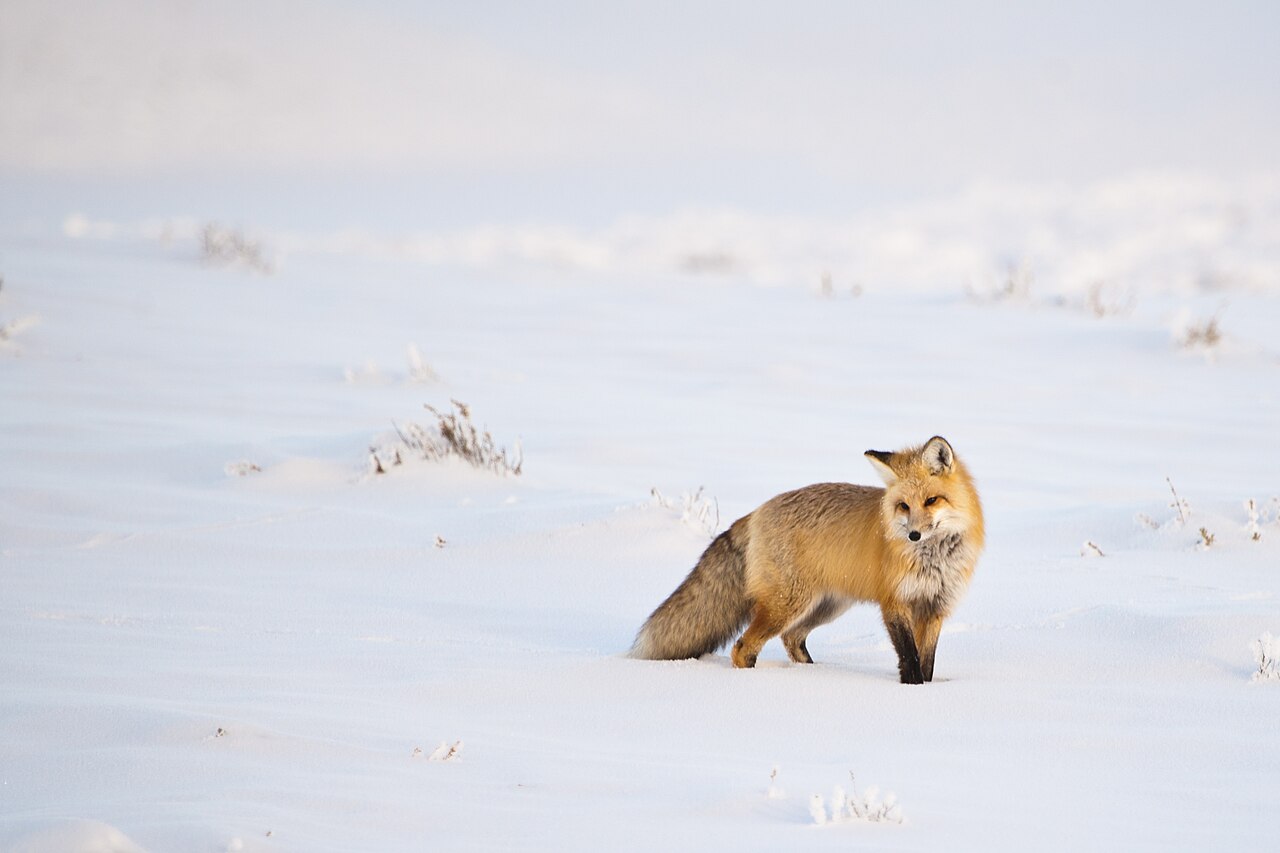
Fox sounds are behind more “what was that scream” nights than any other animal in North America. The red fox’s signature vixen scream is a raspy, drawn-out shriek, often compared to a woman screaming, repeated at intervals across winter nights, and it is completely normal breeding-season communication, not an animal in distress. Beyond the scream, foxes bark in sharp “wow-wow-wow” bursts, gekker in chattering squabbles, whine to their kits, and produce a two-note alarm bark that carries across whole neighborhoods.
Foxes make up to 20 or more distinct vocalizations, but a handful account for nearly everything a homeowner hears, and each one carries specific information: who is calling, what season it is, and what is happening in the dark. This guide decodes every common fox sound, explains the December-to-February scream season, and separates fox calls from the owls, raccoons, and bobcats they get confused with.
| Sound | What It Means |
|---|---|
| Vixen scream | Breeding call, mostly females, Dec to Feb |
| “Wow-wow-wow” bark | Contact call between foxes |
| Sharp single bark | Alarm, often a mother warning kits |
| Gekkering chatter | Squabbles, play, disputes at close range |
| Whines and mews | Kits begging, adults at the den |
| Screams in July | Dispersing juveniles practicing adult calls |
The Vixen Scream: The Sound Behind the Legends
The scream that launches police calls every winter is a raspy, hoarse shriek lasting one to two seconds, repeated every few seconds or minutes, often while the fox moves, so the sound seems to travel across a field or between yards. It reads as human because it sits near human pitch with a screaming contour, but it is delivered flat and repeated identically, without the variation of genuine distress.
Despite the name, both sexes scream: vixens (females) scream primarily to advertise readiness during the brief winter breeding window, and males scream back and during rival confrontations. Peak scream season runs December through February across most of the United States, concentrated in the first hours after dark and before dawn on cold, still nights when sound carries best.
The scream’s function is simple: red foxes are mostly solitary and territorial, so finding a mate requires broadcasting across distance, and a scream carries up to a mile on a quiet night. A screaming fox is neither injured, rabid, nor fighting; it is dating. By March the screaming stops almost overnight as pairs den up, which is itself a useful calendar clue.
Barks: The Fox’s Everyday Voice
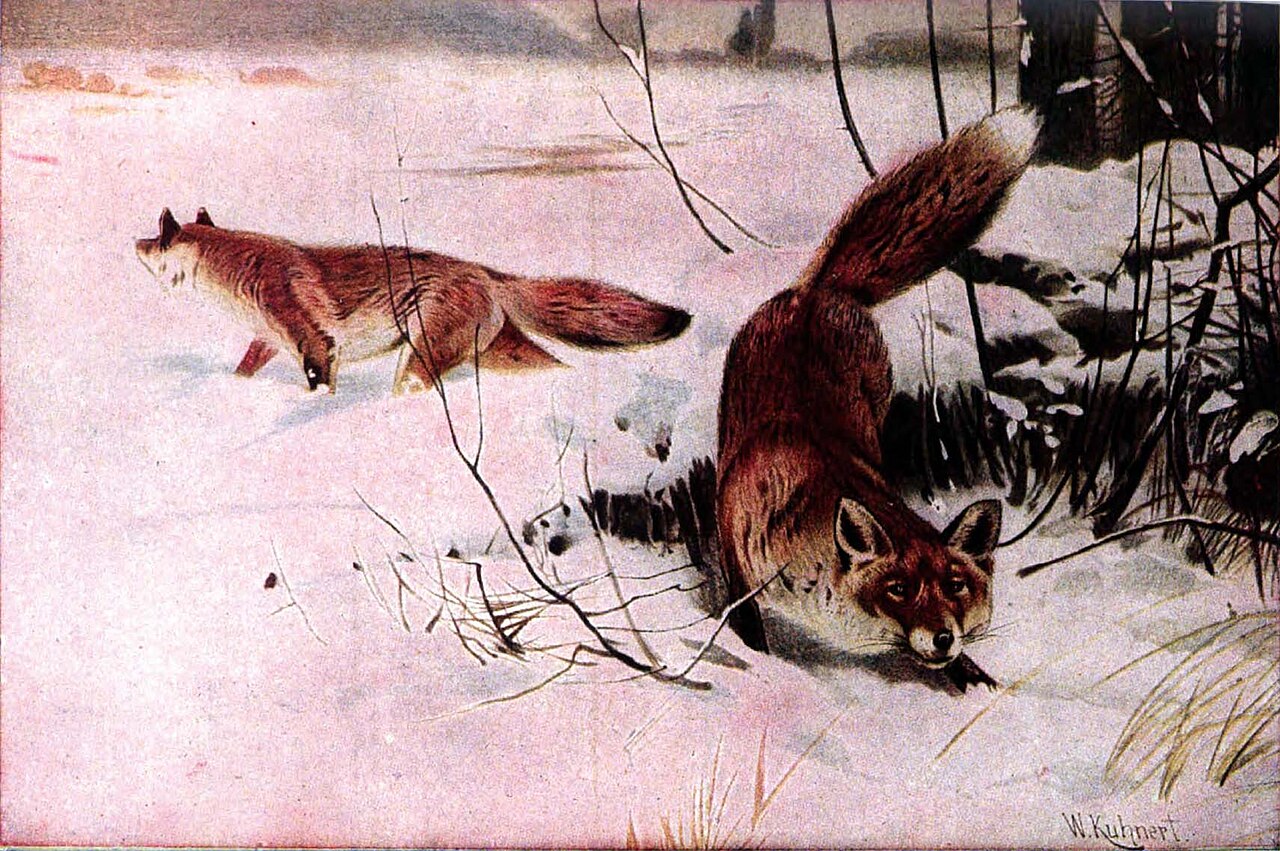
The workhorse fox sound is the contact bark, a short, high “wow-wow-wow” in bursts of three to five notes that people often mistake for a small dog with a sore throat. Foxes use it to locate each other across territory, mates checking in, parents and grown kits keeping contact, and it is the sound you are most likely to hear in any month of the year.
The alarm bark is different in structure and urgency: a single sharp, coughing bark, sometimes doubled, delivered from a fixed position and repeated while the threat remains. Mothers use it heavily in spring to send kits underground, so an insistent single bark from the same corner of a yard in May very often means a den with kits within sprinting distance.
Bark acoustics separate fox from dog reliably. Fox barks are higher, thinner, and cleaner-edged than any dog of similar volume, without the chest resonance, closer to a yelp with structure. A “small dog” barking from woodland at 2 am, moving position between bursts, with no owner on earth, is a fox nearly every time.
Gekkering, Whines, and the Close-Range Repertoire
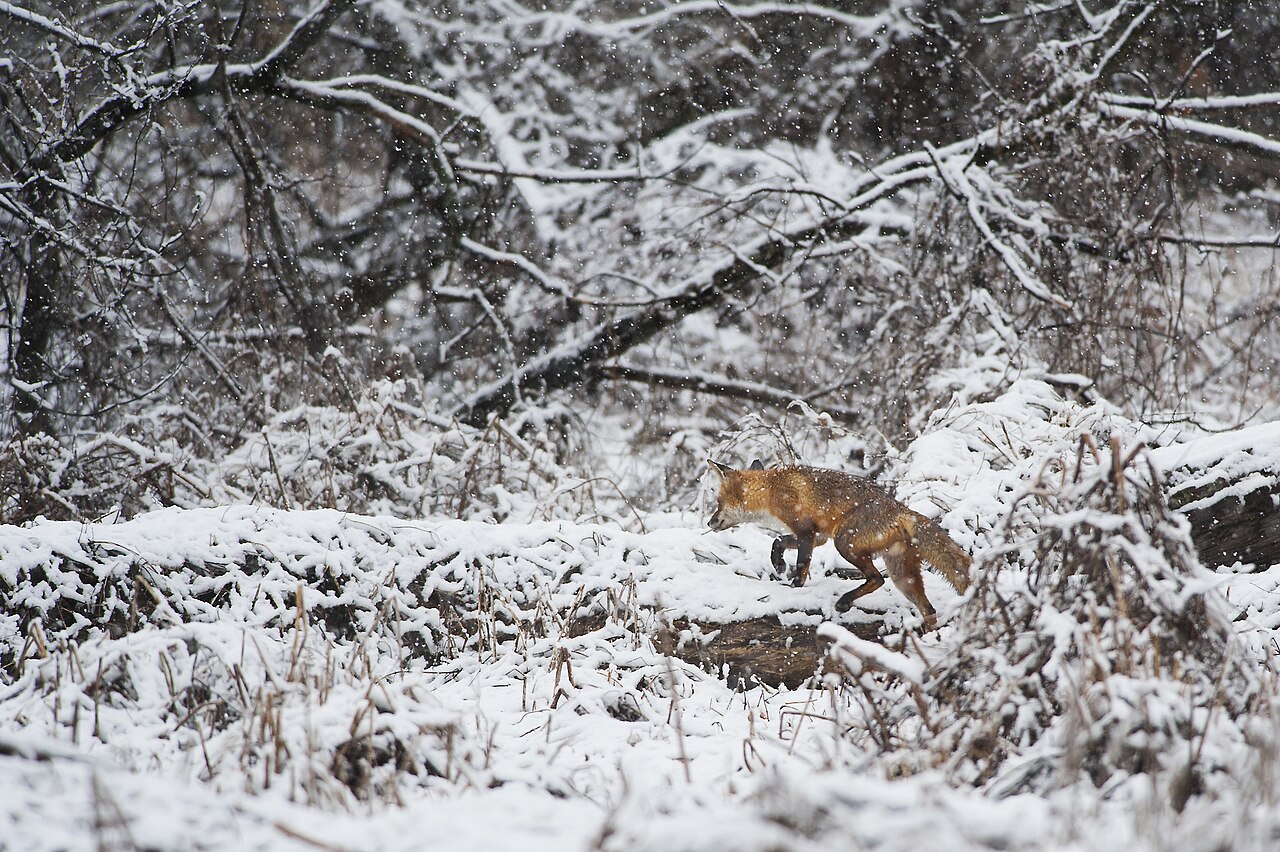
At close range, foxes trade the long-distance calls for gekkering: a fast, guttural chattering, like a stuttering mix of chuckle and growl, produced during squabbles, courtship disputes, and play. Two foxes gekkering face to face with open mouths look ferocious and are usually settling rank without contact; kits gekker constantly in rough-and-tumble play outside the den.
The den itself runs on soft audio. Kits whine, mew, and squeal for food and attention from their first weeks, and mothers answer with low clucking sounds; by early summer, the evening play sessions of a litter, squeals, gekkers, and tiny yips from under a shed or brush pile, are often the sound that first reveals a den to homeowners. Our baby fox guide covers what happens next and why patience wins.
July and August add the strangest chapter: dispersing juveniles. Young foxes leaving home practice the full adult repertoire, screams included, with adolescent inconsistency, which produces the out-of-season shrieks that confuse people who thought scream season ended in February. A wobbly, exploratory scream in high summer is a teenager, not an emergency.
Red Fox vs Gray Fox Sounds
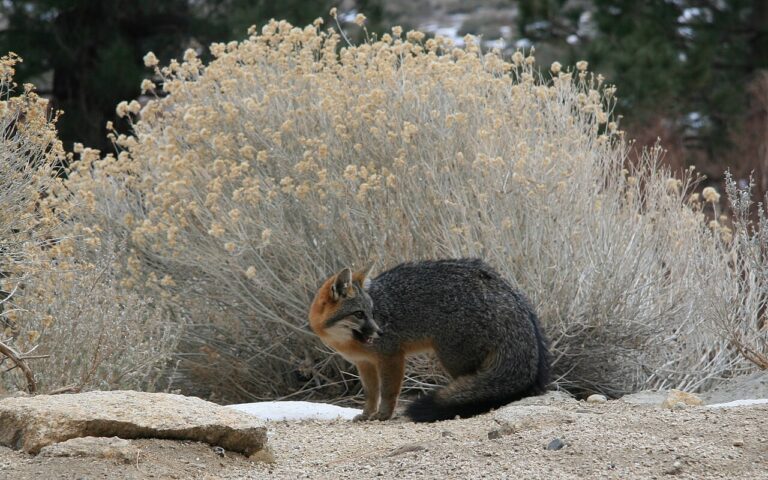
North America hosts two common foxes, and their voices differ enough to matter. The red fox owns the classic scream and the clean “wow-wow” bark described above. The gray fox, the smaller tree-climbing cousin of woodlands and the South, is hoarser across the board: its bark is a harsh, raspy cough, its scream shorter and rougher, and its overall soundscape easily mistaken for a much larger animal with laryngitis.
Habitat and behavior help assign the voice. Gray foxes favor denser cover and, uniquely among American canids, climb trees, a trait the Smithsonian (si.edu) documents as singular to the species, so a fox-like rasp from oak woodland or, disorientingly, from above head height points gray. Red foxes dominate open edges, farmland, and suburbs, so the classic scream across a mowed field is nearly always red.
Both species share the general calendar (winter screaming, spring den sounds, summer juvenile noise), so timing does not separate them; texture does. Where ranges overlap, the practical rule is clean and high means red, rough and hoarse means gray, and either way the animal behind the sound is a rodent-removal service, not a threat.
Fox Scream vs Owl, Bobcat, and the Other Night Screamers
The fox’s chief rival for scream credit is the Barn Owl, whose harsh hissing shriek overlaps closely in quality. Separation is delivery: the Barn Owl’s scream is usually given in flight, gliding smoothly across open ground in a single pass, while a fox screams from ground level, stationary or trotting, in repeated evenly spaced bouts. A scream that answers another scream is also fox; owls do not duet.
Bobcats scream too, mostly during their late-winter breeding season, and a bobcat’s scream is deeper, wilder, and often embedded in yowls and growls, closer to an enraged house cat scaled up. It is rarer near homes than either fox or owl, so it earns the “last suspect” slot unless you are in known bobcat country. Raccoons round out the confusion set with shrill fight-screeches, but theirs come wrapped in churring, chittering brawl audio, unmistakably multi-animal.
Two elimination rules solve most nights. First, repetition: foxes repeat the same flat scream at intervals; genuine animal fights are chaotic and brief. Second, the calendar: a lone repeated scream in December through February is fox until proven otherwise, and the same sound cross-checked against the hoots in our owl sounds guide settles the remaining cases in one listen.
Why Foxes Are So Vocal at Night
Fox sound peaks after dark for the same reason the animal is rarely seen: red foxes in populated areas shift almost entirely nocturnal, doing their traveling, hunting, and socializing while humans sleep, a schedule unpacked in are foxes nocturnal. Vocal traffic concentrates in the first two hours after sunset and the hour before dawn, the commuting windows of a fox’s night.
Sound simply outperforms other channels at night. A territorial canid that hunts alone across a home range of a square mile or more needs long-distance signaling, and scream and bark carry where scent marks (the other half of fox communication, covered from the evidence side in fox poop) work only at zero range. The two systems interlock: scat marks the borders, voice negotiates across them.
Weather and season set the volume knob. Cold, still, dry nights carry fox calls farthest and coincide with breeding season, which is why January delivers the most dramatic fox audio of the year; wind and rain mute whole weeks. If your neighborhood fox has gone silent, check the forecast before assuming it moved on.
What to Do When Foxes Scream Outside Your Window
Step one is genuinely nothing: screaming is normal, seasonal, and self-limiting, and no response is required for the fox’s sake or yours. Foxes pose almost no danger to people, and a screaming fox is at its least interested in anything but other foxes. The noise phase runs a few weeks and fades by late February. The realistic questions, pets and boldness, are covered levelly in are foxes dangerous.
If the noise itself is the problem, close-range screaming under a bedroom window night after night, address the attraction rather than the animal: remove outdoor pet food, secure trash and compost, pick up fallen fruit, and close access under decks and sheds outside of denning season, since a marking post or den anchor near the house is what holds a caller in one spot. Motion-activated lights or sprinklers relocate a persistent performer without harm.
Otherwise, consider enjoying the show. A vocal fox is live evidence of a functioning night shift, the same animal quietly clearing the voles and mice that do actual damage, and screams that alarmed you in year one become a seasonal marker by year three, winter’s version of spring peepers. Recording a night of it, from a warm window, converts most people from complainants to fans.
Related reading: Bobcat Sounds.
Related reading: Mountain Lion Sounds.
Related reading: Rat Sounds.
Related reading: Groundhog Sounds.
Related reading: Opossum Sounds.
Related reading: Katydid Sounds.
Related reading: Gopher Sounds.
Frequently Asked Questions
What does a fox scream sound like?
A raspy, drawn-out shriek near human pitch, repeated flatly at intervals, often described as a woman screaming. It is a normal breeding call, loudest December through February in the hours after dark.
Why do foxes scream at night?
Mostly to find and court mates during the winter breeding season; males also scream at rivals. Foxes are solitary and territorial, so screaming is long-distance advertising, not distress.
Do foxes bark like dogs?
Yes, but higher and thinner: a “wow-wow-wow” contact call in short bursts, plus a sharp single alarm bark mothers use to send kits underground. A phantom small dog barking from woods at night is usually a fox.
What is the chattering, stuttering fox sound?
Gekkering: a fast guttural chatter foxes use in squabbles, courtship disputes, and play. Kits gekker constantly during evening play sessions outside the den.
How do I tell a fox scream from a Barn Owl scream?
Delivery: the owl screams in flight, one smooth moving pass, while the fox screams from the ground in evenly repeated bouts, sometimes answered by a second fox. Duets and metronome repetition mean fox.
Why am I hearing fox screams in summer?
Dispersing juveniles practice adult calls in July and August, producing wobbly out-of-season screams. It is normal adolescent behavior, not a second breeding season.
Should I be worried if a fox screams near my house?
No; screaming foxes are focused on other foxes and pose essentially no risk to people. If the noise is persistent at close range, remove food attractants and den access, and the caller relocates its route.